22/07/2026
Bricklayer vs Carpenter: Which Trade Offers Better Long-Term Career Growth?
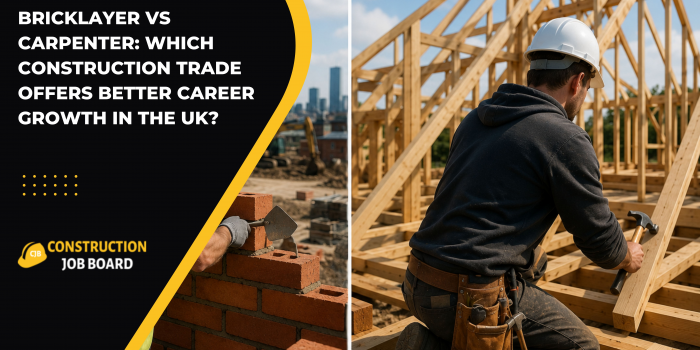
Choosing between Bricklayer vs Carpenter is one of the biggest decisions for anyone considering a career in the construction industry. Both trades are highly respected, play a vital role in delivering residential and commercial projects, and offer excellent opportunities for long-term employment. However, they differ in the type of work, required skills, earning potential, and career progression.
Whether you're looking for Bricklayer Jobs, exploring Carpenter Jobs, or researching the best construction trade careers, understanding how these two professions compare will help you choose the path that suits your interests and long-term goals.
Why Compare Bricklayers and Carpenters?
Bricklayers and Carpenters often work side by side on construction sites, yet their responsibilities are completely different.
A Bricklayer focuses on constructing walls, foundations, chimneys, and structural masonry.
A Carpenter specialises in timber construction, roofing, flooring, doors, staircases, kitchens, and interior finishes.
Both professions remain among the most in-demand Skilled trades UK, making them attractive options for people who enjoy practical, hands-on work.
Quick Comparison
|
Feature
|
Bricklayer
|
Carpenter
|
|
Primary Material
|
Bricks, Blocks, Stone
|
Timber, Wood, Composite Materials
|
|
Working Environment
|
Outdoor Sites
|
Indoor & Outdoor Sites
|
|
Main Focus
|
Structural Construction
|
Timber Construction & Finishing
|
|
Apprenticeships
|
Yes
|
Yes
|
|
Demand
|
High
|
Very High
|
|
Self-Employment Opportunities
|
Excellent
|
Excellent
|
|
Physical Work
|
Very High
|
High
|
|
Career Progression
|
Site Supervisor, Foreman
|
Site Manager, Project Manager, Joinery Specialist
|
What Does a Bricklayer Do?
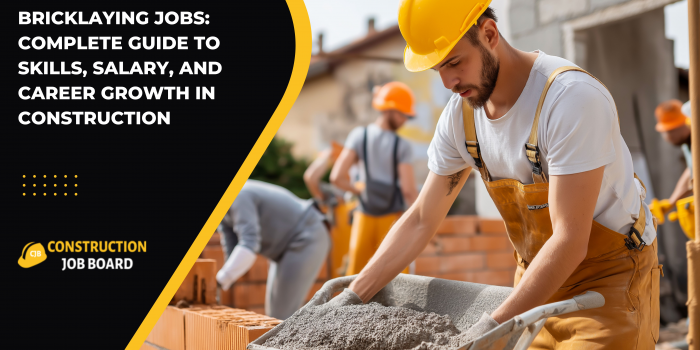
Bricklayers build and repair structures using bricks, concrete blocks, and natural stone. Their work forms the backbone of many residential, commercial, and infrastructure projects.
Typical responsibilities include:
- Building walls
- Constructing foundations
- Laying bricks and blocks
- Reading construction drawings
- Mixing mortar
- Measuring and setting out work
- Repairing masonry
- Restoring older buildings
- Working with engineers and site managers
Accuracy is essential because even small errors can affect the structural integrity of a building.
As housing developments and infrastructure projects continue across the UK, demand for experienced Bricklayers remains consistently strong.
What Does a Carpenter Do?
Carpenters work with timber and other materials to create structural frameworks and interior features.
Their work includes:
- Roof construction
- Floor installation
- Door fitting
- Window installation
- Staircase construction
- Kitchen fitting
- Timber framing
- Partition walls
- Interior finishing
Some Carpenters specialise in first-fix work (structural timber), while others focus on second-fix carpentry, which involves finishing work inside completed buildings.
Because timber is used throughout almost every construction project, skilled Carpenters are consistently in demand.
Skills Required
Although both careers require practical construction knowledge, employers look for different technical abilities.
Essential Bricklayer Skills
Successful Bricklayers generally possess:
- Precision measurement
- Brick and block laying
- Blueprint reading
- Mortar preparation
- Structural awareness
- Physical fitness
- Teamwork
- Health & Safety awareness
- Time management
- Problem-solving
Attention to detail is particularly important because poorly constructed masonry can compromise building safety.
Essential Carpenter Skills
Professional Carpenters require:
- Woodworking techniques
- Accurate measuring
- Joinery
- Power tool operation
- Blueprint interpretation
- Problem-solving
- Creativity
- Physical stamina
- Team communication
- Safety awareness
Many Carpenters also develop specialist skills in bespoke joinery, restoration work, or commercial fit-outs.
Qualifications and Apprenticeships
One of the advantages of both careers is that university isn't always required.
Many professionals begin through construction apprenticeships, combining classroom learning with paid work experience.
Becoming a Bricklayer
Typical routes include:
- Level 2 Bricklaying Apprenticeship
- NVQ in Trowel Occupations
- College Construction Courses
- Site-based training
- CSCS Card
Many employers value practical experience just as highly as formal qualifications.
Becoming a Carpenter
Common pathways include:
- Carpentry & Joinery Apprenticeship
- NVQ Level 2 or Level 3
- College Diploma
- On-site experience
- Specialist joinery training
Both apprenticeships provide valuable experience while allowing learners to earn a wage.
Working Environment
The daily working environment differs considerably between the two trades.
Bricklayer
Bricklayers spend most of their working day outdoors.
Typical environments include:
- Housing developments
- Commercial construction
- Infrastructure projects
- Schools
- Hospitals
- Industrial buildings
Weather conditions can affect working schedules, particularly during winter months.
Carpenter
Carpenters work both indoors and outdoors.
Depending on the stage of construction, they may be:
- Installing roof structures
- Building timber frames
- Fitting kitchens
- Installing flooring
- Hanging doors
- Completing interior finishing
This variety often appeals to tradespeople who enjoy working on different aspects of construction projects.
Salary Comparison
One of the biggest questions when comparing Bricklayer vs Carpenter is which trade offers higher earnings.
The answer depends on several factors, including experience, location, employer, project type, and whether you work as an employee or become self-employed.
Experienced Bricklayers working on major housing developments or commercial projects can earn highly competitive incomes, particularly when demand for skilled labour is high.
Similarly, Carpenters with expertise in specialist joinery, heritage restoration, commercial fit-outs, or bespoke construction can command premium rates.
Self-employed professionals in both trades may increase their earning potential by building strong client relationships and developing specialist expertise.
For reliable guidance on construction training, apprenticeships, and skills development, the Construction Industry Training Board (CITB) provides valuable resources for both employers and workers.
Career Progression
One of the biggest advantages of both professions is that they offer clear career progression without necessarily requiring a university degree. With experience, additional qualifications, and strong performance on-site, both Bricklayers and Carpenters can move into supervisory and management roles.
Bricklayer Career Path
A typical career progression for a Bricklayer includes:
- Apprentice Bricklayer
- Qualified Bricklayer
- Advanced Bricklayer
- Foreman
- Site Supervisor
- Site Manager
- Construction Manager
Some experienced Bricklayers specialise in:
- Heritage restoration
- Stone masonry
- Commercial developments
- High-end residential construction
- Training apprentices
Many also establish their own construction businesses, employing teams of skilled tradespeople.
Carpenter Career Path
Carpenters have equally diverse opportunities for career growth.
A common progression includes:
- Apprentice Carpenter
- Qualified Carpenter
- Joiner
- Lead Carpenter
- Site Supervisor
- Site Manager
- Project Manager
Some Carpenters develop expertise in specialist areas such as:
- Bespoke joinery
- Shop fitting
- Heritage restoration
- Timber frame construction
- Kitchen installation
- Commercial fit-outs
These specialist skills often lead to higher earning potential and more varied project opportunities.
Job Demand Across the UK
The UK construction industry continues to experience a shortage of skilled trades, creating excellent opportunities for both Bricklayers and Carpenters.
Demand is being driven by:
- New housing developments
- Commercial construction
- Infrastructure projects
- School and hospital developments
- Urban regeneration
- Renovation and refurbishment projects
As a result, employers regularly advertise Bricklayer Jobs and Carpenter Jobs across England, Scotland, Wales, and Northern Ireland.
Professionals willing to travel or work on large infrastructure projects may find even greater opportunities.
Self-Employment Opportunities
One of the strongest advantages of both careers is the opportunity to become self-employed.
Bricklayers
Many experienced Bricklayers establish businesses offering services such as:
- House extensions
- Garden walls
- New-build projects
- Brick repairs
- Structural alterations
- Commercial masonry
A strong reputation and quality workmanship can lead to repeat business and referrals.
Carpenters
Carpenters also have excellent opportunities to run their own businesses.
Popular services include:
- Kitchen fitting
- Flooring installation
- Custom furniture
- Loft conversions
- Timber framing
- Door and window installation
- Property renovations
Many homeowners and developers actively seek experienced Carpenters for bespoke projects, making self-employment an attractive long-term option.
Pros and Cons
Bricklayer
Advantages
- Strong demand across the UK
- Clear apprenticeship pathway
- Excellent self-employment opportunities
- Competitive earning potential
- Essential role in construction projects
Challenges
- Physically demanding work
- Outdoor working in varying weather conditions
- Heavy lifting
- Repetitive manual tasks
Carpenter
Advantages
- Diverse range of projects
- Indoor and outdoor work
- Opportunities to specialise
- High demand in residential and commercial sectors
- Excellent self-employment prospects
Challenges
- Precision-focused work
- Extensive use of power tools
- Tight project deadlines
- Physically demanding tasks
Which Trade Pays More?
When comparing Bricklayer vs Carpenter, both trades offer excellent earning potential.
A Bricklayer's income often depends on:
- Experience
- Project type
- Employer
- Region
- Self-employment
Similarly, a Carpenter's earnings can increase through:
- Specialist joinery skills
- Commercial projects
- Bespoke work
- Heritage restoration
- Running a successful business
Rather than focusing solely on salary, it's important to consider the type of work you'll enjoy doing every day.
Professionals who continuously improve their skills, gain recognised qualifications, and build strong reputations often achieve the highest long-term earnings in both trades.
Which Trade Should You Choose?
Choose Bricklaying if you enjoy:
- Building structural elements
- Working outdoors
- Physical work
- Creating long-lasting structures
- Large construction projects
Choose Carpentry if you enjoy:
- Working with timber
- Precision craftsmanship
- Interior finishing
- Creative problem-solving
- Variety in daily tasks
Both careers provide rewarding opportunities and are among the most respected construction trade careers in the UK.
Future Outlook
The future looks promising for both Bricklayers and Carpenters.
Government investment in:
- Affordable housing
- Infrastructure
- Green construction
- Public buildings
- Transport projects
continues to generate demand for skilled construction professionals.
At the same time, the industry is embracing new technologies, including digital construction tools and Building Information Modelling (BIM). Tradespeople who combine traditional craftsmanship with modern construction techniques will be particularly well positioned for long-term success.
Completing recognised training, staying up to date with health and safety standards, and developing specialist expertise can further improve career prospects.
Final Verdict
The comparison between Bricklayer vs Carpenter isn't about finding a single winner—it's about identifying the trade that best matches your interests, strengths, and career ambitions.
If you enjoy creating structural elements, working on major building projects, and seeing a structure rise from the ground up, Bricklaying could be the ideal career.
If you prefer precision, craftsmanship, timber construction, and interior finishing, Carpentry offers an exciting and versatile career path.
Whether you're searching for Bricklayer Jobs, exploring Carpenter Jobs, considering Construction Apprenticeships, or researching construction trade careers, both professions provide strong job security, excellent progression opportunities, and the chance to build a successful future in the UK construction industry.
For trusted information on construction training, apprenticeships, employer support, and workforce development, visit the Construction Industry Training Board (CITB):
Frequently Asked Questions
What's the difference between a Bricklayer and a Carpenter?
A Bricklayer constructs walls, foundations, and masonry structures using bricks, blocks, and stone. A Carpenter works with timber to build roofs, floors, staircases, doors, windows, and interior fittings.
Who earns more: a Bricklayer or a Carpenter?
Both trades offer competitive salaries. Earnings depend on experience, location, project type, employer, and whether you work as an employee or are self-employed.
Do I need a degree to become a Bricklayer or Carpenter?
No. Most Bricklayers and Carpenters enter the profession through apprenticeships, college courses, NVQs, or on-site training.
Which trade has better long-term career prospects?
Both trades have excellent long-term prospects due to ongoing demand for skilled workers in housing, commercial construction, and infrastructure projects.
Can Bricklayers and Carpenters become Site Managers?
Yes. With experience, leadership skills, and additional qualifications such as SMSTS or Construction Management training, many professionals progress into Site Manager and Project Manager roles.