13/07/2026
Why Employers Now Value Problem-Solving More Than Experience in Construction
The construction industry has always valued experience, but today's employers are increasingly recognising that Problem-Solving Skills in Construction can be just as important—if not more important—than the number of years someone has spent on site. Modern construction projects involve advanced technologies, tighter budgets, stricter safety regulations, and faster delivery schedules. Employers are therefore looking for professionals who can think critically, adapt quickly, and solve problems before they become costly delays. Whether you're applying for an entry-level position or aiming for senior Construction Jobs UK, strong problem-solving abilities can help you stand out from other candidates.
Construction projects rarely go exactly as planned. Unexpected weather conditions, material shortages, design changes, equipment failures, and supply chain disruptions are all common challenges. Employers need workers who remain calm under pressure, make informed decisions, and work collaboratively to keep projects moving forward.
Why Construction Work Has Become More Complex
Construction today is very different from what it was a decade ago. Digital technologies, sustainable building methods, modular construction, and stricter compliance requirements have increased the complexity of projects across residential, commercial, and infrastructure sectors.
Professionals are now expected to:
- Work with digital construction tools
- Coordinate with multiple specialist teams
- Follow evolving health and safety regulations
- Adapt to changing project requirements
- Meet sustainability targets
- Deliver projects on tighter schedules
Because of these changes, employers value workers who can identify practical solutions instead of waiting for instructions.
Experience Alone Doesn't Solve Every Problem
Years of experience certainly provide valuable knowledge, but every construction project presents unique challenges. Two professionals with similar experience may respond very differently when faced with an unexpected issue.
For example:
- A delayed delivery of structural steel
- Last-minute architectural design changes
- Ground conditions differing from survey reports
- Equipment breakdown during critical operations
- Unexpected safety hazards
The employee who can quickly assess the situation, communicate effectively, and implement a practical solution often becomes one of the most valuable members of the team.
This ability is what many employers now prioritise during recruitment and promotion decisions.
What Employers Mean by Problem-Solving
Problem-solving is much more than fixing mistakes. It involves recognising potential issues early, analysing available information, considering different solutions, and choosing the safest and most effective course of action.
Construction employers often look for professionals who can:
- Think logically under pressure
- Make informed decisions
- Communicate clearly with colleagues
- Adapt when project priorities change
- Prevent small issues from becoming major problems
- Balance quality, cost, and deadlines
These qualities are valuable across every construction discipline, from labourers and skilled trades to project managers and quantity surveyors.
Problem-Solving Starts with Good Communication
Many construction problems occur because of poor communication rather than technical mistakes. A misunderstanding between contractors, suppliers, engineers, and site teams can quickly lead to delays and additional costs.
Strong communicators help projects run smoothly by:
- Reporting issues early
- Asking questions when instructions are unclear
- Sharing accurate project updates
- Collaborating with multiple trades
- Documenting important decisions
Employers know that professionals who communicate effectively are often better equipped to solve problems before they escalate.
Digital Construction Requires Better Decision-Making
Technology is transforming how construction projects are planned and delivered. Building Information Modelling (BIM), drones, digital surveying, project management software, and real-time reporting tools provide more information than ever before.
However, technology alone cannot make decisions.
Construction professionals still need to:
- Interpret project data
- Prioritise tasks
- Evaluate project risks
- Coordinate multiple teams
- Respond to unexpected challenges
This combination of technical knowledge and critical thinking is becoming increasingly valuable.
How Employers Assess Problem-Solving During Recruitment
Many candidates expect interviews to focus only on qualifications and previous experience. In reality, employers increasingly ask behavioural and scenario-based questions to understand how applicants approach challenges.
Examples include:
- Tell us about a difficult situation you resolved on site.
- Describe a time when a project didn't go as planned.
- How would you deal with conflicting priorities?
- What would you do if materials failed to arrive on schedule?
- How do you respond to unexpected safety concerns?
Interviewers are usually more interested in your thought process than finding the "perfect" answer.
Natural Internal Anchor: Construction Career Advice
Problem-Solvers Often Become Future Leaders
Leadership in construction is not determined solely by job title or years of service. Supervisors, site managers, and project managers are expected to make informed decisions every day.
Professionals who consistently demonstrate strong problem-solving abilities often progress into positions such as:
These roles require professionals who can balance safety, productivity, quality, and client expectations while managing changing project conditions.
Practical Ways to Improve Your Problem-Solving Skills
The good news is that problem-solving can be developed through experience, training, and continuous learning.
You can improve by:
- Learning from experienced colleagues
- Participating in construction training programmes
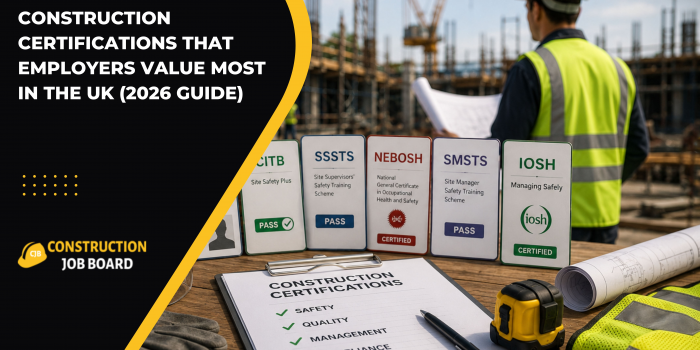
- Gaining recognised Construction Certifications
- Understanding digital construction technologies
- Reviewing completed projects to identify lessons learned
- Practising structured decision-making under pressure
Professionals who invest in continuous improvement are often better prepared for future career opportunities.
Real-World Examples of Problem-Solving in Construction
Problem-solving happens every day on construction sites, often in ways that prevent delays, reduce costs, and improve safety. Employers appreciate candidates who can share real examples of how they have handled unexpected situations.
For instance:
- A site supervisor reorganises the work schedule after poor weather delays concrete pouring, allowing other trades to continue working and keeping the project on track.
- A carpenter notices that delivered materials do not match the approved drawings and reports the issue before installation begins, preventing costly rework.
- A quantity surveyor identifies a more cost-effective material that meets the project's specifications without compromising quality.
- A site engineer works with designers and subcontractors to resolve an unexpected underground services conflict before excavation begins.
These examples demonstrate initiative, communication, and critical thinking—all qualities employers actively seek.
Why Problem-Solving Leads to Faster Career Progression
Construction companies want professionals they can trust when challenges arise. Employees who consistently solve problems are often given greater responsibilities because managers know they can make sound decisions under pressure.
Professionals with strong problem-solving abilities are more likely to:
- Be selected for complex projects.
- Lead site meetings.
- Coordinate subcontractors.
- Mentor junior team members.
- Progress into supervisory and management roles.
In many organisations, promotions are based not only on technical ability but also on how effectively employees respond to real-world challenges.
Continuous Learning Strengthens Problem-Solving Skills
The best construction professionals never stop learning. As building methods, regulations, and digital technologies continue to evolve, staying up to date helps you make better decisions on site.
You can strengthen your problem-solving abilities by:
- Completing recognised Construction Training courses.
- Gaining additional Construction Certifications.
- Learning digital tools such as BIM and project management software.
- Attending industry workshops and safety seminars.
- Seeking feedback after completing projects.
Continuous learning not only improves your skills but also demonstrates initiative to current and future employers.
Natural Internal Anchors:
- Construction Training
- Construction Certifications
- Construction Technology Jobs
The Future of Construction Belongs to Adaptable Professionals
The UK construction industry is changing rapidly. Digital construction, off-site manufacturing, sustainability initiatives, and smart building technologies are transforming how projects are delivered.
As these changes continue, employers will increasingly value professionals who can:
- Adapt to new technologies.
- Solve complex project challenges.
- Collaborate across multiple disciplines.
- Make informed decisions quickly.
- Balance safety, quality, budget, and deadlines.
Whether you are a labourer, skilled tradesperson, engineer, quantity surveyor, or project manager, problem-solving will remain one of the most valuable career skills you can develop.
Natural Internal Anchors:
- Construction Jobs UK
- Skilled Trades Jobs
Conclusion
Experience will always play an important role in construction, but today's employers recognise that the ability to solve problems is what keeps projects moving, teams productive, and clients satisfied. Problem-Solving Skills in Construction have become essential because modern projects involve complex technologies, changing regulations, tight deadlines, and unexpected challenges that require quick, informed decisions.
Professionals who communicate effectively, think critically, adapt to changing situations, and commit to continuous learning are more likely to secure better job opportunities and progress into leadership positions. By developing your problem-solving skills alongside technical expertise and recognised qualifications, you can build a stronger, more resilient construction career and stand out in an increasingly competitive job market.
Frequently Asked Questions (FAQs)
1. Why are problem-solving skills important in construction?
Problem-solving skills help construction professionals identify issues, make informed decisions, minimise delays, improve safety, and keep projects on schedule.
2. Do employers value problem-solving more than experience?
Many employers value both, but strong problem-solving abilities often distinguish candidates who can adapt to modern construction challenges and contribute immediately.
3. How can I improve my problem-solving skills in construction?
Gain practical experience, complete construction training, earn recognised certifications, learn digital construction tools, and analyse completed projects to identify lessons learned.
4. Which construction jobs require strong problem-solving skills?
Problem-solving is valuable in almost every role, including labourers, skilled trades, site supervisors, site managers, quantity surveyors, engineers, and project managers.
5. Can problem-solving skills help me earn promotions?
Yes. Employees who consistently solve problems, communicate effectively, and make sound decisions are often trusted with greater responsibilities and leadership opportunities.