03/07/2026
Why Retrofit Construction Is Creating Thousands of Jobs
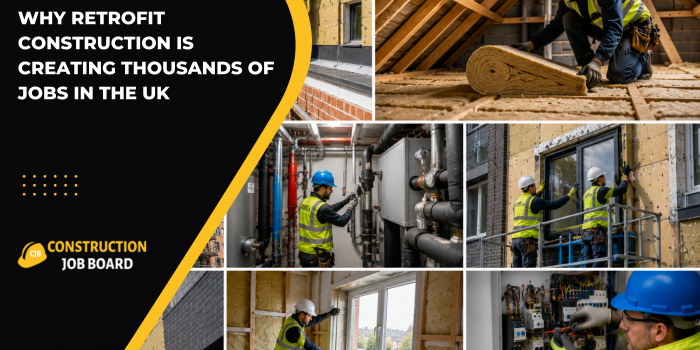
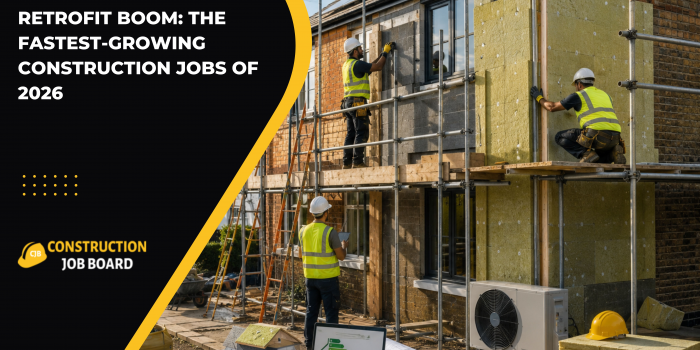
The UK's construction industry is undergoing one of its biggest transformations in decades, and Retrofit Construction Jobs are at the centre of this change. Rather than focusing solely on building new homes and commercial properties, the industry is investing heavily in upgrading existing buildings to improve energy efficiency, reduce carbon emissions, and meet ambitious environmental targets.
This growing demand has created thousands of new opportunities for skilled tradespeople, site managers, engineers, surveyors, and sustainability professionals. Employers are actively looking for workers with the right skills to deliver retrofit projects, making this one of the fastest-growing areas in construction.
If you're planning a long-term career, retrofit construction offers exciting opportunities across multiple roles and experience levels. As discussed in our guide on Construction Certifications That Employers Value Most, gaining recognised qualifications can help you stand out in this expanding sector.
What Is Retrofit Construction?
Retrofit construction involves improving existing buildings rather than demolishing and rebuilding them.
The aim is to make homes, offices, schools, hospitals, and other buildings:
- More energy efficient
- Better insulated
- Safer
- More environmentally friendly
- Cheaper to heat and maintain
Typical retrofit projects include:
- Loft insulation
- Wall insulation
- Roof improvements
- Window replacements
- Heat pump installations
- Solar panel installation
- Ventilation upgrades
- Smart heating controls
- Energy-efficient lighting
Unlike new-build construction, retrofit focuses on extending the life of existing buildings while improving their performance.
Why Is Retrofit Growing So Quickly?
Several factors are driving demand for retrofit projects across the UK.
1. Net Zero Targets
The UK has committed to reducing carbon emissions significantly over the coming decades.
Since buildings account for a large proportion of energy consumption, improving existing properties has become a national priority.
Retrofitting older buildings helps reduce energy waste while supporting long-term sustainability goals.
- Millions of Older Buildings Need Upgrading
A large percentage of UK homes were built long before modern energy efficiency standards existed.
Many properties suffer from:
- Poor insulation
- High heating costs
- Energy loss
- Outdated heating systems
Rather than replacing these buildings, retrofit offers a more practical and cost-effective solution.
This means demand for retrofit professionals is expected to remain strong for many years.
- Rising Energy Costs
Higher energy prices have encouraged homeowners, landlords, housing associations, and businesses to invest in energy-saving improvements.
Retrofit work helps reduce:
- Heating bills
- Electricity usage
- Carbon emissions
- Long-term maintenance costs
As more organisations prioritise energy efficiency, construction companies require additional skilled workers to complete retrofit projects.
- Government and Private Investment
Public and private sector investment continues to support retrofit programmes across housing, education, healthcare, and commercial buildings.
Local authorities, housing providers, and developers are increasingly commissioning retrofit work to improve existing building stock.
This ongoing investment is creating consistent demand for qualified construction professionals.
What Jobs Are Being Created?
Retrofit construction isn't limited to one profession.
It creates opportunities across almost every area of construction.
Some of the fastest-growing roles include:
Retrofit Coordinator
These professionals oversee retrofit projects, ensuring improvements meet required standards and deliver the expected energy performance.
They coordinate contractors, surveyors, designers, and clients throughout the project.
Retrofit Assessor
Retrofit Assessors inspect buildings before work begins.
They evaluate:
- Existing insulation
- Heating systems
- Ventilation
- Energy performance
- Structural condition
Their assessments help determine which improvements are most suitable.
Site Managers
Site Managers remain essential on retrofit projects.
They manage:
- Construction teams
- Health and safety
- Project schedules
- Budgets
- Quality control
If leadership is your goal, our Labourer to Site Manager: A Complete Career Roadmap explains how professionals progress into management positions.
Quantity Surveyors
Retrofit projects require careful budgeting and cost management.
Quantity Surveyors estimate project costs, manage contracts, and ensure financial efficiency throughout construction.
Their expertise becomes increasingly valuable as retrofit programmes expand.
Electricians
Modern retrofit projects frequently involve:
- Smart home technology
- Electric vehicle charging points
- Solar panels
- Battery storage systems
- Energy-efficient lighting
Qualified electricians continue to see growing demand.
Plumbers and Heating Engineers
Replacing older heating systems has become a major part of retrofit construction.
Professionals install:
- Heat pumps
- Modern boilers
- Underfloor heating
- Low-carbon heating systems
These specialist skills are expected to remain in demand for years.
Insulation Installers
Improving insulation is one of the most effective ways to reduce energy consumption.
Installers work on:
- Loft insulation
- External wall insulation
- Internal wall insulation
- Floor insulation
- Roof insulation
Demand for these skills continues to increase as more buildings undergo energy upgrades.
Skills Employers Want in Retrofit Construction
Employers are looking for professionals who combine traditional construction knowledge with modern sustainability skills.
Some of the most valuable abilities include:
- Understanding energy efficiency
- Health and safety awareness
- Problem-solving
- Communication
- Digital construction knowledge
- Attention to detail
- Project management
- Quality assurance
Workers who continue developing their skills often enjoy greater career progression. As highlighted in our article Why Continuous Learning Matters More Than Experience in Modern Construction, employers increasingly value professionals who stay up to date with industry developments.
Why Retrofit Is a Future-Proof Career
Unlike some areas of construction that depend heavily on new developments, retrofit focuses on improving buildings that already exist.
Considering the millions of older homes and commercial properties across the UK, the demand for retrofit work is unlikely to disappear anytime soon.
Many industry experts expect retrofit to remain one of the fastest-growing construction sectors throughout the next decade.
This creates long-term opportunities for both experienced professionals and newcomers entering the industry.
Qualifications That Can Help You Start a Retrofit Career
Although some entry-level retrofit roles provide on-the-job training, employers increasingly prefer candidates with recognised qualifications. Having the right certifications demonstrates that you understand modern building standards, energy efficiency, and health and safety requirements.
Useful qualifications include:
- CSCS Card
- NVQ in Construction
- Level 5 Diploma in Retrofit Coordination and Risk Management
- Domestic Energy Assessor (DEA)
- PAS 2035 awareness training
- SMSTS or SSSTS (for supervisory roles)
- First Aid at Work
If you're unsure where to start, our guide on Construction Certifications That Employers Value Most explains which qualifications are most valuable for different construction careers.
How Much Can You Earn in Retrofit Construction?
Salaries vary depending on your role, experience, qualifications, and location. However, because retrofit skills are in high demand, many professionals enjoy competitive salaries and strong career progression.
Typical roles within retrofit construction include:
- Retrofit Coordinator
- Retrofit Assessor
- Site Manager
- Quantity Surveyor
- Domestic Energy Assessor
- Electrician
- Heating Engineer
- Insulation Installer
- Sustainability Consultant
- Project Manager
As the sector grows, employers are increasingly willing to invest in skilled professionals who can deliver high-quality retrofit projects.
Challenges in Retrofit Construction
Like every area of construction, retrofit projects come with unique challenges.
Working with Older Buildings
Many existing properties were built decades ago using different construction methods and materials. Professionals often need to adapt their approach to preserve structural integrity while improving energy performance.
Balancing Energy Efficiency and Heritage
Some buildings have historical or architectural significance. Retrofit teams must improve efficiency without compromising the character of the property or breaching planning requirements.
Keeping Up with Regulations
Building regulations, sustainability standards, and retrofit guidance continue to evolve. Employers value professionals who stay informed and apply the latest best practices.
This is another reason why ongoing learning is so important. Our article Why Continuous Learning Matters More Than Experience in Modern Construction explores how continuous professional development helps construction workers remain competitive.
Why Young People Should Consider Retrofit Careers
Many people associate construction with physically demanding site work, but retrofit offers a broader range of career opportunities.
Young professionals can pursue careers in:
- Project Management
- Surveying
- Sustainability
- Building Performance
- Construction Technology
- Digital Construction
- Site Supervision
- Building Services Engineering
These roles combine technical knowledge with problem-solving and environmental responsibility, making them attractive career choices for the next generation.
Retrofit Is Driving Innovation Across Construction
Retrofit projects are encouraging construction companies to adopt new technologies and smarter ways of working.
Professionals increasingly use:
- Digital building surveys
- Building Information Modelling (BIM)
- Thermal imaging
- Energy modelling software
- Smart building systems
- Drone inspections
- Digital project management tools
Workers with digital skills are becoming increasingly valuable as technology becomes part of everyday construction projects.
If you're interested in the future of the industry, our article Construction Jobs That Will Exist in 2035 explores how technology, sustainability, and innovation are shaping tomorrow's construction careers.
Career Progression in Retrofit Construction
One of the biggest advantages of entering the retrofit sector is the wide range of career progression opportunities.
A typical pathway might look like this:
- Construction Labourer or Apprentice
- Skilled Tradesperson
- Site Supervisor
- Site Manager
- Retrofit Coordinator
- Project Manager
- Contracts Manager
- Construction Director
Many professionals also specialise in sustainability consulting, energy assessment, or digital construction management as their careers develop.
If your ambition is to move into senior leadership, our guide The Career Decisions That Separate Site Managers from Project Directors explains the skills and experience employers look for at higher management levels.
Why Employers Are Hiring Retrofit Professionals Now
Several long-term trends are contributing to increased recruitment across the retrofit sector:
- Growing demand for energy-efficient homes
- Rising investment in public housing improvements
- Expansion of commercial building upgrades
- Increased focus on sustainability
- Ongoing construction skills shortages
- Adoption of modern building technologies
These factors mean employers are actively searching for professionals who can deliver retrofit projects efficiently and safely.
As highlighted in our article Construction Skills Shortages and the Jobs Employers Need Most, companies are finding it increasingly difficult to recruit workers with specialist construction skills, creating excellent opportunities for job seekers.
Final Thoughts
Retrofit construction is no longer a niche area of the industry—it has become one of the most important drivers of growth within UK construction. As the country works towards improving energy efficiency and reducing carbon emissions, demand for retrofit professionals continues to rise.
Whether you're an experienced tradesperson looking to specialise or someone considering a new career in construction, retrofit offers long-term opportunities, competitive salaries, and meaningful work that contributes to a more sustainable built environment.
By gaining the right qualifications, developing modern construction skills, and embracing continuous learning, you'll be well positioned to benefit from one of the fastest-growing sectors in the industry.
For anyone planning a future-proof construction career, retrofit is a field worth serious consideration.
Frequently Asked Questions (FAQs)
1. What is retrofit construction?
Retrofit construction involves upgrading existing buildings to improve energy efficiency, safety, and environmental performance rather than demolishing and rebuilding them.
2. Why are retrofit jobs increasing in the UK?
Demand is growing because older buildings need energy-efficient improvements, sustainability targets are driving investment, and organisations are prioritising lower carbon emissions.
3. What qualifications do I need for retrofit construction?
Useful qualifications include a CSCS Card, NVQs, Retrofit Coordinator training, Domestic Energy Assessor certification, PAS 2035 awareness, and relevant health and safety qualifications.
4. Are retrofit careers suitable for beginners?
Yes. Many roles offer training opportunities, while apprenticeships and entry-level construction positions provide valuable experience before specialising in retrofit.
5. Which construction trades benefit most from retrofit projects?
Electricians, plumbers, heating engineers, insulation installers, surveyors, Site Managers, Quantity Surveyors, and sustainability specialists are all in high demand.
6. Is retrofit construction a good long-term career?
Yes. As more buildings require energy-efficient upgrades, retrofit construction is expected to remain one of the fastest-growing sectors within the UK construction industry.