15/07/2026
The Digital Skills Every Construction Worker Should Learn
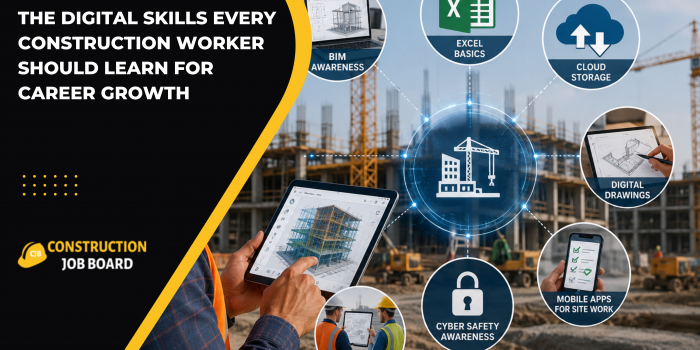
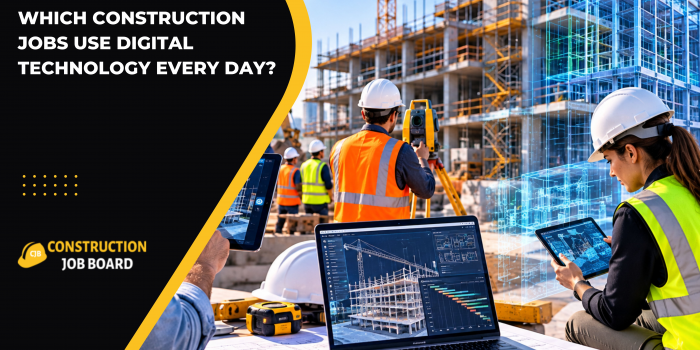
The construction industry is no longer driven solely by manual skills and traditional building techniques. Today, Digital Construction Skills are becoming just as important as practical trade experience. From digital project planning and Building Information Modelling (BIM) to mobile site management apps and drone surveys, technology is transforming how construction projects are designed, managed, and delivered across the UK.
As employers invest in smarter construction methods, workers who combine practical expertise with digital knowledge are becoming increasingly valuable. Whether you're starting your career or already have years of experience, learning digital skills can improve your employability, increase your earning potential, and prepare you for the future of construction.
If you're looking to stand out in the competitive construction job market, developing digital skills is one of the smartest career investments you can make.
Why Digital Skills Are Becoming Essential
Construction has traditionally been viewed as a hands-on industry. While practical experience remains vital, technology now supports nearly every stage of a project.
Modern construction companies use digital tools to:
- Plan projects more efficiently
- Improve communication
- Reduce costly mistakes
- Track project progress
- Enhance site safety
- Manage documentation
- Improve collaboration
As a result, employers increasingly look for candidates who are comfortable working with digital systems alongside traditional construction methods.
The Digital Transformation of Construction
The UK's construction industry is embracing digital transformation to improve productivity and address long-standing challenges such as labour shortages, rising costs, and sustainability requirements.
Digital technologies now support:
- Project planning
- Design coordination
- Cost estimation
- Site inspections
- Equipment tracking
- Health and safety reporting
- Quality assurance
- Facilities management
These innovations are creating new opportunities for workers who are willing to learn modern construction technologies.
Building Information Modelling (BIM)
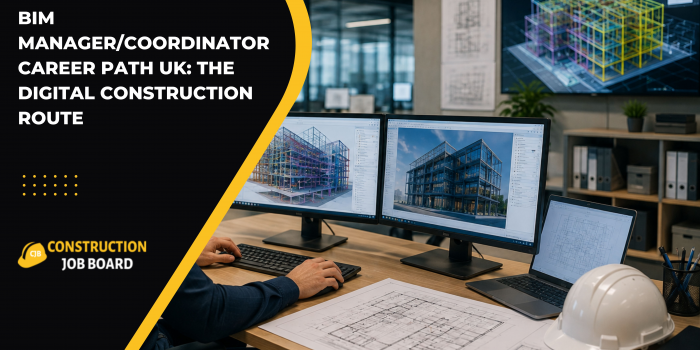
One of the most important Digital Construction Skills is understanding Building Information Modelling (BIM).
BIM is a digital process that creates detailed 3D models containing information about every aspect of a building.
Instead of relying solely on paper drawings, project teams collaborate using shared digital models.
BIM helps:
- Architects
- Engineers
- Quantity Surveyors
- Contractors
- Site Managers
- Facilities Managers
Benefits include:
- Better planning
- Fewer design clashes
- Improved communication
- Reduced waste
- Faster project delivery
Even basic BIM Skills can significantly improve employability.
Construction Management Software
Construction companies increasingly rely on specialised software to manage projects.
Common software platforms help teams:
- Schedule work
- Allocate resources
- Track budgets
- Record progress
- Manage documentation
- Communicate with subcontractors
Workers who understand digital workflows often integrate more quickly into modern project teams.
Mobile Site Management Apps
Paper-based site records are gradually being replaced by mobile applications.
Today's construction workers use smartphones and tablets to:
- Complete safety inspections
- Record defects
- Submit progress reports
- Access drawings
- Communicate with supervisors
- Upload photographs
- Complete digital checklists
Being comfortable using these applications improves productivity and reduces administrative delays.
Digital Drawings and Plans
Reading printed construction drawings remains important.
However, many projects now use digital drawings accessed through tablets or cloud-based platforms.
Workers increasingly need to:
- Navigate digital plans
- Zoom into technical details
- Review updated revisions
- Mark changes electronically
- Share information instantly
Understanding digital documentation helps reduce costly construction errors.
Cloud-Based Collaboration
Construction projects involve multiple organisations working together.
Cloud technology enables teams to:
- Share files
- Update project information
- Collaborate remotely
- Access documents from site
- Reduce duplication
Workers familiar with cloud platforms adapt more easily to modern project environments.
Laser Measuring Equipment
Digital laser measuring devices improve accuracy while reducing manual calculations.
Benefits include:
- Faster measurements
- Improved precision
- Reduced human error
- Better documentation
Many surveyors, estimators, and site managers now rely on digital measurement tools throughout projects.
Drone Technology
Drone usage continues growing across UK construction sites.
Drones assist with:
- Site surveys
- Progress monitoring
- Roof inspections
- Land mapping
- Safety assessments
- Asset inspections
Workers who understand how drone data supports construction projects gain valuable knowledge even if they are not certified drone operators.
Digital Health and Safety
Health and safety remains one of construction's highest priorities.
Technology is helping improve compliance through:
- Digital inspections
- Incident reporting apps
- Risk assessment software
- Online training platforms
- Wearable safety technology
Digital reporting enables companies to identify issues more quickly and maintain accurate compliance records.
Data Literacy in Construction
Construction professionals increasingly work with digital information rather than paper records.
Basic data literacy includes understanding:
- Project dashboards
- Cost reports
- Productivity metrics
- Material tracking
- Equipment usage
- Resource planning
Workers who can interpret digital information contribute more effectively to project success.
Communication Technology
Communication has changed dramatically within construction.
Instead of relying entirely on phone calls or printed notices, teams now communicate through:
- Project collaboration platforms
- Instant messaging
- Video meetings
- Shared document systems
- Mobile workforce applications
Strong digital communication skills help reduce misunderstandings and improve collaboration between trades.
Why Employers Value Digital Skills
Employers increasingly recruit workers who can adapt to technology because digital construction offers several advantages.
These include:
- Higher productivity
- Better quality control
- Improved safety
- Faster decision-making
- More accurate reporting
- Better client communication
Candidates with both practical trade experience and Modern Construction Skills often stand out during recruitment.
Digital Skills That Complement Every Trade
Whether you're a carpenter, electrician, plumber, bricklayer, groundworker, or site manager, digital skills can strengthen your career.
Useful technologies include:
- BIM software
- Construction scheduling tools
- Digital drawing viewers
- Health and safety apps
- Cloud document management
- Project reporting systems
- Mobile inspection software
- GPS and surveying technology
These tools are becoming standard across construction projects of all sizes.
The Future of Digital Construction
The UK construction industry is entering a new era where digital technology is becoming central to every stage of a project. From planning and design to construction, maintenance, and asset management, technology is helping businesses deliver projects faster, safer, and more efficiently.
Government infrastructure programmes, sustainable building initiatives, and smart city developments are accelerating the adoption of digital solutions across the sector. As these technologies become standard practice, employers will increasingly seek candidates who can confidently work with both traditional construction methods and digital tools.
Future innovations expected to shape the industry include:
- Artificial Intelligence (AI) for project planning
- Robotics for repetitive construction tasks
- Digital twins of buildings and infrastructure
- Internet of Things (IoT) sensors for real-time monitoring
- Augmented Reality (AR) for site visualisation
- Virtual Reality (VR) for safety and skills training
- Automated construction equipment
- Predictive maintenance using data analytics
Construction workers who embrace these technologies today will be well positioned for tomorrow's job market.
Career Opportunities Created by Digital Skills
Learning Digital Construction Skills opens doors to a wider range of roles beyond traditional trade positions.
Examples include:
BIM Coordinator
Responsible for managing digital building models and coordinating project information between different teams.
Digital Site Engineer
Uses digital surveying equipment, construction software, and data management systems to improve project accuracy.
Construction Planner
Works with scheduling software and project management platforms to coordinate construction activities.
Site Manager
Modern site managers rely heavily on digital reporting systems, health and safety applications, project dashboards, and cloud collaboration platforms.
Quantity Surveyor
Digital estimating software, BIM integration, and cost management systems have transformed quantity surveying into a highly technology-driven profession.
Facilities Manager
After construction is complete, digital building information helps facilities managers maintain assets more efficiently throughout a building's lifecycle.
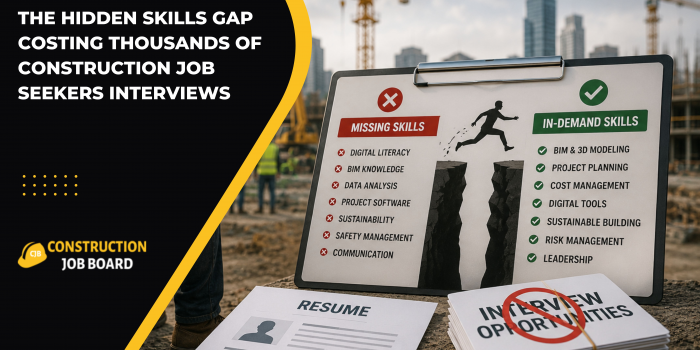
Digital Skills That Employers Value Most
Construction employers increasingly look for candidates who possess a combination of technical ability and digital confidence.
Some of the most valuable skills include:
Building Information Modelling (BIM)
Even a basic understanding of BIM principles demonstrates that you can work within collaborative digital environments.
Digital Project Management
Knowledge of scheduling software, digital documentation, and workflow management improves project coordination.
Mobile Construction Applications
Employers appreciate workers who can confidently use tablets and smartphones for inspections, reporting, and communication.
Cloud-Based Collaboration
Being comfortable accessing shared documents, drawings, and project updates through cloud platforms supports more efficient teamwork.
Digital Health & Safety Systems
Understanding electronic risk assessments, incident reporting, and compliance software is becoming increasingly important.
Basic Data Analysis
The ability to interpret dashboards, progress reports, productivity metrics, and project data supports better decision-making on site.
How to Develop Digital Construction Skills
You don't need to become a software engineer to benefit from construction technology. Many digital skills can be learned gradually alongside your current role.
Here are practical ways to improve:
Complete Online Courses
Many colleges, training providers, and professional organisations offer introductory courses covering BIM, construction software, and digital project management.
Gain Hands-On Experience
Ask to assist with digital tasks on site, such as using reporting apps, updating project documentation, or reviewing digital drawings.
Learn From Experienced Colleagues
Many companies have BIM coordinators, digital engineers, or site managers who are happy to share their knowledge.
Attend Industry Events
Construction exhibitions and technology conferences provide opportunities to explore the latest digital tools and understand how they're being used across the industry.
Stay Updated
Construction technology evolves quickly. Reading industry publications, following technology providers, and keeping up with emerging trends will help ensure your skills remain relevant.
Common Mistakes to Avoid
While digital technology offers many benefits, there are a few common mistakes construction professionals should avoid.
Believing Technology Replaces Trade Skills
Digital tools support construction work—they don't replace craftsmanship, experience, or practical knowledge.
Avoiding Technology
Some experienced workers hesitate to use digital systems because they're unfamiliar. However, employers increasingly expect all team members to engage with modern technologies.
Ignoring Software Updates
Construction software evolves regularly. Staying familiar with new features helps maintain efficiency and productivity.
Focusing Only on Technical Knowledge
Communication, teamwork, problem-solving, and leadership remain just as important as digital competence.
The Benefits of Combining Practical and Digital Skills
Workers who combine traditional construction expertise with digital knowledge enjoy several advantages.
These include:
- Greater employability
- Higher earning potential
- Better promotion prospects
- Increased job security
- Opportunities to work on larger projects
- Stronger leadership potential
- Ability to adapt to future technologies
This combination creates professionals who are valuable across residential, commercial, infrastructure, and industrial construction projects.
Salary Benefits of Digital Construction Skills
Technology-focused construction professionals often earn higher salaries because they help improve productivity and reduce project risks.
Approximate UK salary ranges include:
|
Role
|
Typical Salary
|
|
Construction Operative
|
£28,000–£35,000
|
|
Multi-Skilled Operative
|
£38,000–£50,000
|
|
BIM Technician
|
£35,000–£50,000
|
|
Digital Site Engineer
|
£40,000–£60,000
|
|
Site Manager
|
£55,000–£75,000+
|
|
BIM Manager
|
£55,000–£80,000+
|
Professionals who combine trade experience with digital expertise often progress into supervisory, management, or specialist technology roles more quickly.
Final Thoughts
Developing Digital Construction Skills is no longer optional for professionals who want to build successful, future-ready careers in the UK construction industry. As projects become more complex and technology becomes increasingly integrated into everyday site operations, employers are looking for workers who can confidently combine practical experience with digital capability.
Whether you're a labourer, carpenter, bricklayer, electrician, plumber, quantity surveyor, or site manager, investing time in learning digital tools such as Building Information Modelling (BIM), construction software, cloud collaboration platforms, and mobile reporting applications will make you more competitive in the job market.
The future of construction belongs to adaptable professionals who are willing to embrace innovation while maintaining high standards of craftsmanship. By continuously developing both technical and digital skills, you'll be better prepared for higher-paying roles, greater responsibilities, and long-term career success.
If you're ready to take the next step, explore the latest Construction Jobs UK, Digital Construction Jobs, and Site Manager Jobs to find opportunities where your modern skill set can make a real impact.
Frequently Asked Questions
1. What are digital construction skills?
Digital construction skills are the abilities needed to use modern technologies such as Building Information Modelling (BIM), construction software, mobile reporting apps, cloud collaboration platforms, and digital site management tools.
2. Why are digital skills important in construction?
Digital skills improve productivity, communication, project planning, safety, and collaboration. Employers increasingly expect workers to be comfortable using technology on modern construction projects.
3. Do construction workers need to learn BIM?
While not every construction worker needs advanced BIM expertise, understanding the basics of Building Information Modelling is becoming highly valuable across many roles.
4. Which digital tools are commonly used on construction sites?
Common tools include BIM software, project management platforms, digital drawing viewers, mobile inspection apps, cloud document systems, laser measuring devices, and health and safety reporting software.
5. Can digital skills increase construction salaries?
Yes. Workers with digital expertise often qualify for higher-paying roles, greater responsibilities, and faster career progression because they contribute to more efficient project delivery.
6. How can I improve my digital construction skills?
You can develop your skills through online courses, workplace training, industry certifications, practical experience, and by learning from experienced colleagues.
7. What is the future of digital construction?
The future includes greater adoption of AI, digital twins, robotics, IoT sensors, drones, augmented reality, and cloud-based project management, making digital literacy increasingly important for construction professionals.