24/07/2026
How Modern Methods of Construction (MMC) Are Creating New Careers in the UK
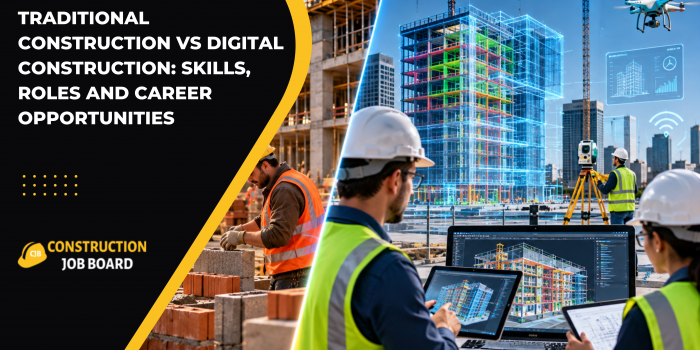
The UK construction industry is undergoing one of its biggest transformations in decades. Traditional building techniques are increasingly being complemented by Modern Methods of Construction (MMC), which use innovative technologies, digital design, offsite manufacturing, and advanced construction processes to deliver projects faster, more efficiently, and more sustainably.
As housing demand continues to rise and the UK works towards ambitious net-zero targets, Modern Methods of Construction (MMC) are becoming a key part of government-backed infrastructure, residential developments, healthcare facilities, schools, and commercial projects. This shift is not only changing how buildings are constructed but also creating entirely new career opportunities for professionals with the right mix of technical, digital, and practical skills.
Whether you're a school leaver, apprentice, experienced tradesperson, engineer, or project manager, understanding how MMC is reshaping the industry can help you prepare for some of the most exciting and future-focused roles in construction.
What Are Modern Methods of Construction (MMC)?
Modern Methods of Construction refer to innovative building techniques that improve productivity, quality, sustainability, and efficiency compared with traditional construction methods.
Rather than building everything on-site, many components are now designed digitally, manufactured in controlled factory environments, and assembled on-site with greater precision.
MMC includes:
- Modular construction
- Offsite manufacturing
- Prefabricated building components
- Digital design and Building Information Modelling (BIM)
- Robotics and automation
- 3D printing
- Smart construction technologies
- Sustainable building systems
These methods reduce construction time, minimise waste, improve safety, and enhance quality control.
Why Modern Methods of Construction Are Growing in the UK
Several factors are driving the adoption of MMC across the UK construction sector.
1. Addressing the Housing Shortage
The UK continues to face significant demand for new homes.
Traditional construction methods alone are often unable to deliver housing at the speed required. Modular and offsite construction allow developers to complete projects more quickly while maintaining high quality standards.
- Tackling the Construction Skills Shortage
Many experienced construction workers are approaching retirement, while fewer young people are entering traditional trades.
MMC helps address this challenge by introducing manufacturing techniques, automation, and digital technologies that improve productivity and reduce reliance on labour-intensive processes.
- Supporting Sustainability Goals
Sustainability has become a major priority across the construction industry.
Modern construction techniques can help reduce:
- Material waste
- Carbon emissions
- Energy consumption
- Transportation requirements
- Site disruption
These improvements support the UK's environmental commitments and encourage wider adoption of greener construction practices.
- Faster Project Delivery
Traditional projects can be delayed by poor weather, labour shortages, and material availability.
With offsite manufacturing, building components are produced in factories while site preparation takes place simultaneously, significantly reducing project timescales.
This improved efficiency benefits developers, contractors, clients, and ultimately homebuyers.
Government Support Is Driving Demand
The UK Government has recognised the importance of Modern Methods of Construction in delivering housing, infrastructure, schools, hospitals, and public sector developments.
Investment in:
- Affordable housing
- Net-zero buildings
- Infrastructure upgrades
- Levelling-up initiatives
- Education facilities
- Healthcare projects
continues to encourage wider adoption of innovative construction techniques.
As more public and private sector projects specify MMC approaches, employers are actively seeking professionals with relevant knowledge and experience.
Types of Modern Methods of Construction
MMC covers a broad range of construction techniques.
Some of the most widely used include:
Modular Construction
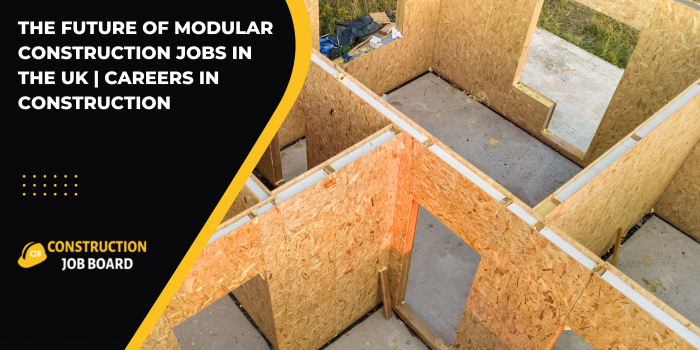
Entire sections of buildings are manufactured in factories before being transported to site for installation.
Common examples include:
- Apartment developments
- Student accommodation
- Hotels
- Schools
- Healthcare facilities
Panelised Systems
Instead of complete modules, wall panels, floor systems, and roof components are manufactured offsite before assembly on-site.
This method improves consistency while reducing installation time.
Volumetric Construction
Complete three-dimensional units are manufactured in controlled environments and connected together on-site.
Volumetric construction is increasingly used for residential developments and commercial buildings.
Digital Construction
Digital technologies are becoming central to modern construction.
Examples include:
- Building Information Modelling (BIM)
- Digital twins
- Laser scanning
- Drone surveying
- AI-assisted planning
- Site monitoring software
These technologies improve collaboration, reduce errors, and enhance project management.
New Careers Created by Modern Methods of Construction
One of the most exciting aspects of MMC is the variety of new career opportunities it creates.
Traditional construction roles remain important, but employers increasingly require professionals with digital, engineering, manufacturing, and sustainability expertise.
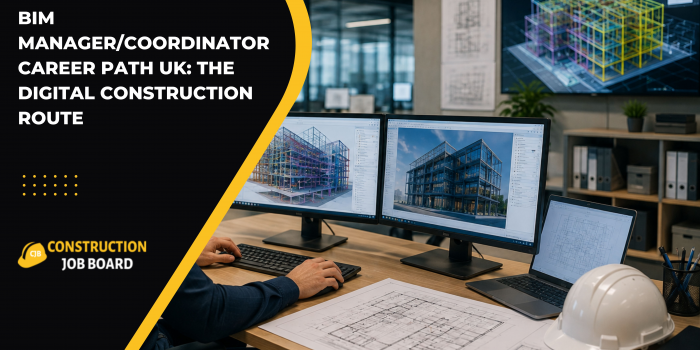
BIM Coordinator
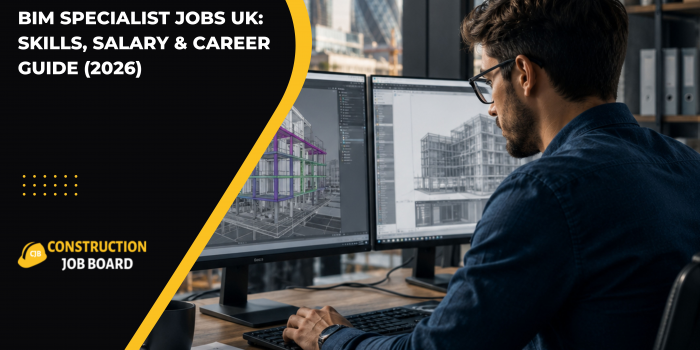
Building Information Modelling (BIM) professionals manage digital representations of buildings throughout the project lifecycle.
Responsibilities include:
- Coordinating project information
- Managing digital models
- Supporting collaboration
- Identifying design conflicts
Demand for BIM professionals continues to grow across major UK projects.
Digital Construction Manager
Digital Construction Managers oversee the implementation of technology across construction projects.
Typical responsibilities include:
- Digital workflows
- Construction software
- Site technology
- Data management
- Process improvement
This role combines technical construction knowledge with digital transformation expertise.
Offsite Manufacturing Technician
Factory-based manufacturing is creating entirely new careers within construction.
Technicians may specialise in:
- Timber frame production
- Steel fabrication
- Modular assembly
- Quality control
- Robotics operation
- Automated manufacturing
These roles often provide more predictable working environments compared with traditional site-based work.
Modular Construction Project Manager
As modular developments become more common, employers require project managers who understand both traditional construction and factory-based production processes.
These professionals coordinate manufacturing, logistics, transportation, and on-site installation.
Sustainability Consultant
MMC supports greener construction.
Sustainability specialists help organisations:
- Reduce carbon emissions
- Improve energy efficiency
- Select environmentally responsible materials
- Achieve environmental certifications
- Meet net-zero objectives
Demand for these professionals is expected to continue growing as sustainability regulations evolve.
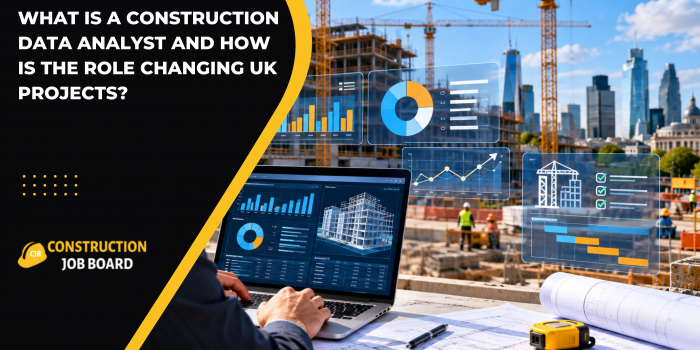
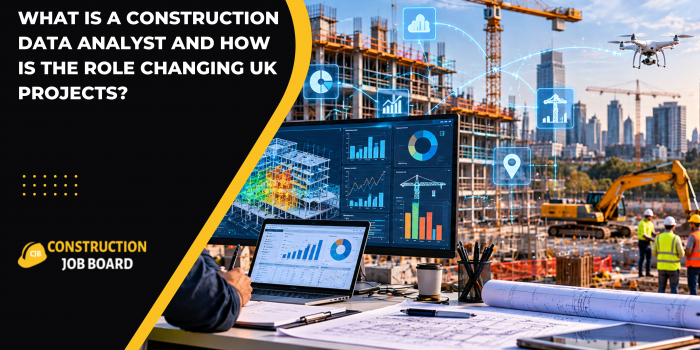
Construction Data Analyst
Modern construction generates significant amounts of project data.
Data analysts help organisations improve:
- Productivity
- Cost forecasting
- Resource planning
- Risk management
- Quality assurance
Professionals with both analytical and construction knowledge are becoming increasingly valuable.
The Skills Employers Are Looking for in MMC Professionals
As Modern Methods of Construction (MMC) continue to reshape the UK construction industry, employers are looking for professionals who combine traditional construction knowledge with digital, engineering, and manufacturing expertise.
Unlike conventional construction roles, many MMC careers require collaboration across design teams, manufacturing facilities, logistics providers, and on-site installation crews.
The most sought-after skills include:
Digital Construction Skills
Technology is central to MMC projects. Employers increasingly value candidates with experience using:
- Building Information Modelling (BIM)
- AutoCAD
- Revit
- Navisworks
- Digital Twins
- Common Data Environments (CDE)
- Project management software
Professionals who understand digital workflows often have access to a wider range of career opportunities.
Manufacturing Knowledge
Factory-based construction introduces manufacturing principles that differ from traditional site work.
Useful skills include:
- Lean manufacturing
- Production planning
- Quality assurance
- Robotics and automation
- Assembly techniques
- Process improvement
Workers with manufacturing experience are increasingly transitioning into construction through MMC projects.
Sustainability Awareness
Environmental performance has become a major consideration for developers and contractors.
Professionals who understand:
- Low-carbon construction
- Energy-efficient building systems
- Circular economy principles
- Sustainable materials
- Waste reduction strategies
are becoming increasingly valuable across both public and private sector projects.
Communication and Collaboration
MMC projects involve multiple teams working simultaneously.
Employers value professionals who can communicate effectively with:
- Architects
- Engineers
- Manufacturers
- Site Managers
- Clients
- Supply chain partners
Strong collaboration skills help reduce delays and improve project outcomes.
Salary Expectations for MMC Careers
One of the reasons many professionals are exploring MMC careers UK is the competitive salary potential.
Typical salary ranges include:
|
Role
|
Typical UK Salary
|
|
BIM Coordinator
|
£38,000–£55,000
|
|
BIM Manager
|
£55,000–£75,000+
|
|
Digital Construction Manager
|
£60,000–£85,000+
|
|
Offsite Manufacturing Technician
|
£30,000–£45,000
|
|
Modular Construction Project Manager
|
£55,000–£80,000
|
|
Sustainability Consultant
|
£45,000–£70,000
|
|
Construction Data Analyst
|
£40,000–£65,000
|
|
Design Manager
|
£55,000–£85,000
|
Salaries vary depending on experience, project complexity, qualifications, employer, and location. Large infrastructure and commercial developments often offer higher remuneration than smaller residential projects.
Internal Linking Opportunity:
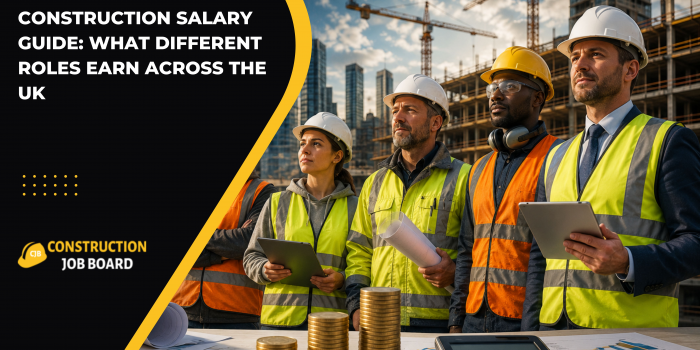
Read our Construction Salary Guide: What Different Roles Earn Across the UK to compare salaries across traditional and emerging construction careers.
How to Start a Career in Modern Methods of Construction
Whether you're entering the industry or changing careers, there are several routes into MMC.
Apprenticeships
Construction and manufacturing apprenticeships provide practical experience while allowing candidates to earn a salary.
Popular apprenticeship areas include:
- Construction Design
- Engineering
- Manufacturing
- Building Services
- Surveying
- Digital Construction
University Degrees
Relevant degrees include:
- Construction Management
- Civil Engineering
- Architectural Technology
- Building Surveying
- Construction Project Management
- Mechanical Engineering
Many universities now include digital construction modules covering BIM and sustainable building practices.
Professional Certifications
Industry-recognised certifications can strengthen your CV.
Examples include:
- CSCS Card
- CIOB Membership
- RICS Accreditation
- BIM Certification
- SMSTS
- NEBOSH
- Autodesk Professional Certifications
These qualifications demonstrate technical competence and commitment to professional development.
Online Learning
Many digital construction skills can be developed through online training.
Useful topics include:
- BIM fundamentals
- Revit
- AutoCAD
- Project planning
- Sustainability
- Construction technology
- Data analysis
- AI tools for construction
Continuous learning is becoming increasingly important as construction technology evolves.
Why Younger Professionals Are Choosing MMC Careers
Modern Methods of Construction are attracting a new generation of workers because they combine engineering, manufacturing, sustainability, and digital innovation.
Many younger professionals appreciate:
- Greater use of technology
- Modern factory environments
- Faster career progression
- Opportunities to work on sustainable projects
- Better work-life balance in some manufacturing-based roles
- Exposure to advanced software and automation
MMC is helping change perceptions of construction by offering careers that extend beyond traditional site-based work.
Challenges Facing Modern Methods of Construction
Although MMC offers many benefits, adoption is still evolving.
Current challenges include:
- Skills shortages
- Investment costs
- Supply chain integration
- Industry awareness
- Standardisation across projects
- Training requirements
As more employers adopt MMC, investment in workforce development and education will remain essential.
The Future of Modern Methods of Construction
The long-term outlook for Modern Methods of Construction (MMC) is extremely positive.
Growing demand is expected to come from:
- Affordable housing programmes
- Net-zero developments
- Infrastructure investment
- Healthcare facilities
- Education projects
- Commercial developments
- Retrofit and energy-efficiency programmes
Technology will continue transforming how buildings are designed, manufactured, and assembled.
Emerging innovations include:
- AI-assisted project planning
- Digital twins
- Robotics
- Drone inspections
- 3D concrete printing
- Smart materials
- Automated quality control
- Predictive maintenance
Professionals who develop digital and technical skills today are likely to benefit from increasing demand throughout the coming decade.
Career Progression in MMC
Many MMC careers offer clear progression opportunities.
A typical pathway might include:
- Construction Apprentice
- Manufacturing Technician
- BIM Technician
- BIM Coordinator
- Digital Construction Manager
- Project Manager
- Programme Manager
- Construction Director
Alternatively, engineering professionals may progress into specialist design, sustainability, or innovation leadership roles.
This flexibility makes MMC one of the most exciting long-term career paths within the UK construction industry.
Final Thoughts
Modern Methods of Construction (MMC) are transforming the UK construction sector by combining technology, sustainability, and advanced manufacturing with traditional building expertise. As more organisations embrace modular construction, digital design, offsite manufacturing, and smarter building techniques, demand for skilled professionals continues to grow.
For job seekers, MMC represents more than just a new way of building—it offers access to future-focused careers that combine innovation with long-term stability. Whether you're interested in engineering, digital construction, manufacturing, project management, or sustainability, developing MMC-related skills can significantly improve your employability.
The future of construction will rely on professionals who are adaptable, digitally skilled, and committed to continuous learning. Those who embrace these changes today will be well positioned to build rewarding careers in one of the UK's fastest-evolving industries.
Frequently Asked Questions
1. What are Modern Methods of Construction (MMC)?
Modern Methods of Construction are innovative building techniques that use offsite manufacturing, modular construction, digital design, automation, and advanced technologies to improve efficiency, quality, and sustainability.
2. What careers are available in MMC?
Popular careers include BIM Coordinator, Digital Construction Manager, Modular Construction Project Manager, Offsite Manufacturing Technician, Sustainability Consultant, Construction Data Analyst, and Design Manager.
3. Do I need a degree to work in MMC?
Not always. Many professionals enter MMC through apprenticeships, vocational training, industry certifications, or by transitioning from traditional construction roles.
4. Which skills are most valuable in Modern Methods of Construction?
Employers value BIM, AutoCAD, Revit, project management, sustainability knowledge, manufacturing processes, communication, digital literacy, and problem-solving skills.
5. Is MMC creating more construction jobs in the UK?
Yes. As investment in housing, infrastructure, and sustainable construction grows, MMC is creating new opportunities across manufacturing, engineering, digital construction, project management, and design.
6. Is Modern Methods of Construction the future of the UK construction industry?
MMC is expected to play an increasingly important role alongside traditional construction methods, helping the industry improve productivity, reduce environmental impact, and address ongoing skills shortages.