18/06/2026
Why Trade Skills Are Becoming More Valuable in Construction
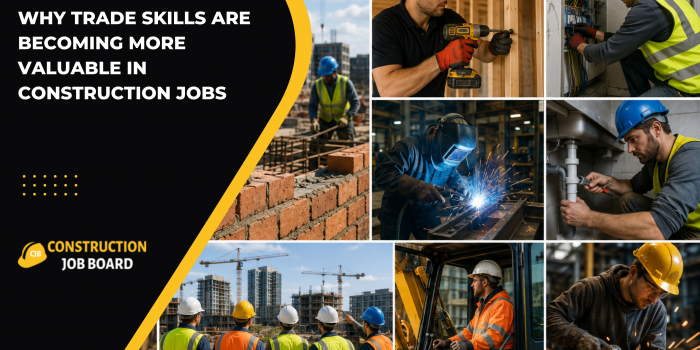
The construction industry has always relied on skilled workers to transform plans and designs into completed buildings, infrastructure, and developments. While technology continues to change how projects are planned and managed, one thing remains constant: skilled tradespeople are essential to construction success.
Across the UK, employers are increasingly searching for workers with practical trade skills. From electricians and plumbers to bricklayers and carpenters, skilled professionals are becoming some of the most sought-after candidates in the industry.
As a result, construction jobs that require trade skills continue to offer strong employment prospects, career stability, and opportunities for long-term growth.
For job seekers considering their next career move, learning a skilled trade can be one of the smartest investments for the future.
Why Skilled Trade Workers Are in High Demand
Construction activity continues across multiple sectors including:
- Residential housing
- Commercial developments
- Infrastructure projects
- Industrial facilities
- Public sector projects
- Refurbishment and retrofit work
Every project requires skilled professionals who can safely and efficiently complete specialist tasks.
At the same time, many experienced workers are reaching retirement age, creating additional demand for new talent entering the industry.
This combination of growing project activity and workforce shortages has increased demand for skilled construction workers.
What Are Trade Skills?
Trade skills are practical abilities used to perform specialist construction tasks.
These skills are usually developed through:
- Apprenticeships
- Vocational training
- On-the-job experience
- Industry qualifications
Unlike many office-based careers, trade professionals use hands-on expertise to build, install, repair, and maintain construction projects.
Because these skills require training and practical experience, employers highly value qualified workers.
Skilled Trades Creating Construction Jobs
Several trades continue to generate strong employment opportunities.
Electrician Jobs
Electricians are responsible for installing, maintaining, and repairing electrical systems.
They work on:
- Housing developments
- Commercial buildings
- Infrastructure projects
- Renewable energy installations
As buildings become more technologically advanced, demand for qualified electricians continues to increase.
Plumber Jobs
Plumbers remain essential to modern construction.
Their responsibilities include:
- Water systems
- Heating installations
- Drainage systems
- Maintenance work
With increasing housing and refurbishment activity, plumber jobs remain highly valuable.
Bricklayer Jobs
Bricklayers help construct buildings, walls, and structural components.
Despite advances in construction technology, skilled bricklaying remains a core requirement on many projects.
Carpenter Jobs
Carpenters contribute to a wide range of activities including:
- Structural timber work
- Interior finishing
- Roofing
- Door and window installation
Their versatility makes them highly valuable across multiple construction sectors.
Groundworker Jobs
Groundworkers prepare construction sites before building work begins.
Their responsibilities often include:
- Excavation
- Drainage installation
- Foundations
- Utility preparation
Many large developments depend on experienced groundworkers.
How Skills Shortages Are Increasing Opportunities
One reason construction jobs remain in demand is the ongoing skills shortage.
Many employers report difficulties finding qualified workers with the right experience and certifications.
This shortage creates several benefits for job seekers:
- Increased job opportunities
- Better career progression
- Higher demand for qualifications
- Greater employment stability
- More training opportunities
Individuals who develop specialist trade skills often enjoy strong long-term employability.
Why Trade Skills Cannot Be Easily Replaced
Technology is transforming many industries.
However, trade skills remain difficult to automate.
Construction projects often require:
- Physical problem solving
- Practical decision making
- On-site adaptation
- Technical expertise
- Skilled craftsmanship
While digital tools can improve efficiency, experienced tradespeople remain essential to project delivery.
This helps make skilled construction jobs more resilient than many other career paths.
The Growing Importance of Green Construction Skills
Sustainability is becoming increasingly important across the construction industry.
Projects now focus on:
- Energy efficiency
- Renewable energy
- Sustainable materials
- Retrofit improvements
As a result, employers increasingly value workers with green construction skills.
Electricians, plumbers, heating specialists, and retrofit professionals are particularly benefiting from this trend.
Technology Is Creating New Trade Opportunities
Technology is not replacing tradespeople—it is enhancing their roles.
Modern construction professionals may use:
- Digital plans
- Mobile applications
- Building Information Modelling (BIM)
- Laser measurement tools
- Smart building technologies
Workers who combine traditional trade expertise with digital skills often have a competitive advantage.
Career Progression Opportunities
Trade careers offer more progression opportunities than many people realize.
Workers can advance into positions such as:
- Senior Tradesperson
- Supervisor
- Site Manager
- Contracts Manager
- Project Manager
- Business Owner
Many successful construction leaders began their careers in skilled trades.
How to Start a Skilled Trade Career
Job seekers interested in construction jobs can take several practical steps.
Complete an Apprenticeship
Apprenticeships provide valuable hands-on experience and industry-recognized qualifications.
Gain Certifications
Relevant qualifications can improve employability and career prospects.
Build Practical Experience
Employers value workers who can demonstrate real-world skills.
Stay Updated
Construction methods, regulations, and technologies continue to evolve.
Continuous learning can help professionals remain competitive.
Why Trade Skills Offer Long-Term Career Security
Every construction project requires skilled workers.
Whether building homes, offices, schools, hospitals, or infrastructure, trade professionals remain critical to project success.
Because these skills are practical, transferable, and consistently needed, skilled trades continue to provide excellent long-term career security.
For many job seekers, construction jobs offer a combination of stability, earning potential, and career progression that is difficult to match in other industries.
Final Thoughts
Trade skills continue to become more valuable as employers face workforce shortages and construction activity remains strong.
Electricians, plumbers, bricklayers, carpenters, groundworkers, and other skilled professionals play a vital role in delivering successful projects.
For job seekers looking for rewarding careers, construction jobs built around skilled trades offer excellent opportunities for growth, stability, and long-term success.
FAQs
1. Why are trade skills becoming more valuable in construction jobs?
Trade skills are becoming more valuable because the construction industry faces ongoing skills shortages while demand for housing, infrastructure, and commercial projects continues to grow. Employers are actively recruiting skilled workers to fill construction jobs across the UK.
2. Which skilled trades are most in demand in the construction industry?
Some of the most in-demand skilled trades include electricians, plumbers, bricklayers, carpenters, groundworkers, and plant operators. These roles are essential for completing construction projects safely and efficiently.
3. How can I start a career in skilled construction work?
You can start a career in skilled construction work through apprenticeships, vocational training programs, industry certifications, and hands-on experience. Many employers value practical skills and a willingness to learn.
4. Are skilled trade construction jobs secure for the future?
Yes. Skilled trade construction jobs offer strong long-term career security because construction projects consistently require qualified workers. Many trade skills are difficult to automate, making them highly valuable in the industry.
5. What skills do employers look for in skilled construction workers?
Employers typically look for technical expertise, health and safety awareness, problem-solving abilities, communication skills, practical experience, and knowledge of modern construction technologies and tools.