17/06/2026
Why CAD Technician Jobs Are a Great Career Choice for Detail-Oriented Construction Professionals
The construction industry relies on much more than bricks, concrete, and machinery. Every successful building project begins with accurate plans, technical drawings, and detailed designs. Before construction teams start work on-site, CAD Technicians play a vital role in transforming ideas into professional technical drawings that guide the entire project.
As construction projects become increasingly complex, the demand for skilled CAD Technicians continues to grow. Employers need professionals who can create accurate digital drawings, collaborate with architects and engineers, and ensure construction plans meet industry requirements.
For job seekers who enjoy technology, design, problem-solving, and attention to detail, CAD Technician jobs can provide an exciting and rewarding career path.
What Does a CAD Technician Do?
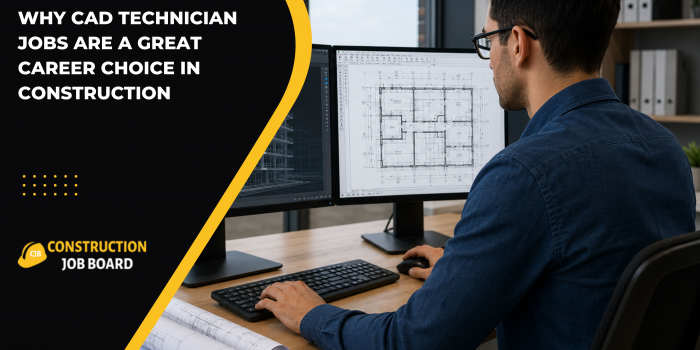
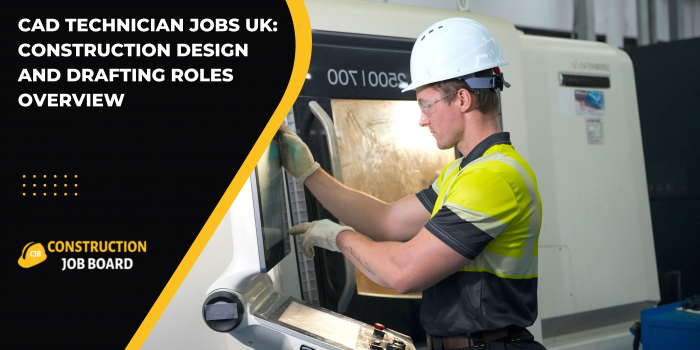
A CAD Technician uses Computer-Aided Design (CAD) software to create technical drawings and plans used throughout construction projects.
These drawings help architects, engineers, surveyors, and construction teams understand exactly how a structure should be built.
CAD Technicians may work on:
- Residential developments
- Commercial buildings
- Infrastructure projects
- Industrial facilities
- Civil engineering projects
- Renovation and refurbishment projects
Their work forms the foundation for successful project delivery.
Why Are CAD Technician Jobs in Demand?
Construction projects require precise planning and accurate documentation.
Even small errors in technical drawings can result in costly delays and project complications.
As a result, employers continue searching for skilled CAD professionals who can produce high-quality drawings and support project teams.
Several factors are increasing demand for CAD Technicians:
Growing Construction Activity
New housing developments, commercial projects, and infrastructure investments continue creating opportunities for CAD professionals.
Digital Construction Technologies
Modern construction increasingly relies on digital workflows, making CAD skills more valuable than ever.
Building Information Modelling (BIM)
Many employers now combine CAD expertise with BIM knowledge, increasing opportunities for skilled candidates.
Design Accuracy Requirements
Clients expect detailed, accurate plans that reduce project risks and improve efficiency.
Skills Employers Look for in CAD Technicians
Employers seek candidates who combine technical expertise with strong attention to detail.
Important skills include:
AutoCAD Proficiency
AutoCAD remains one of the most widely used drafting tools in construction and engineering.
Technical Drawing Skills
Understanding construction drawings, dimensions, and specifications is essential.
Attention to Detail
Accurate drawings help prevent costly mistakes during construction.
Communication Skills
CAD Technicians frequently collaborate with architects, engineers, project managers, and site teams.
Problem Solving
Construction projects often require design modifications and technical adjustments.
Industries That Hire CAD Technicians
CAD Technicians are needed across multiple sectors.
Construction
Construction companies use CAD professionals to prepare drawings and support project planning.
Architecture
Architectural firms rely on CAD Technicians to develop detailed design drawings.
Civil Engineering
Infrastructure projects require accurate technical plans and layouts.
Structural Engineering
Engineers use CAD drawings to communicate structural requirements and calculations.
Manufacturing
Manufacturing companies often hire CAD professionals to support product design and production processes.
Career Progression Opportunities
One of the biggest advantages of becoming a CAD Technician is the opportunity for career growth.
Many professionals advance into roles such as:
- Senior CAD Technician
- CAD Manager
- BIM Technician
- BIM Coordinator
- Design Engineer
- Architectural Technician
- Project Designer
With additional training and experience, career opportunities can expand significantly.
CAD Software Employers Commonly Use
Job seekers can improve their employability by gaining experience with popular design software.
Common tools include:
- AutoCAD
- Revit
- Civil 3D
- MicroStation
- Tekla Structures
- Navisworks
Knowledge of BIM software can provide an additional competitive advantage.
How to Start a Career as a CAD Technician
If you're interested in CAD Technician jobs, consider these steps:
Learn CAD Software
Develop practical skills using AutoCAD and other industry-standard tools.
Understand Construction Drawings
Learn how construction plans, elevations, sections, and technical specifications are created.
Build a Portfolio
Employers often want to see examples of your drafting and design work.
Gain Industry Qualifications
Construction, engineering, architecture, and design-related qualifications can strengthen your CV.
Stay Updated
The construction industry continues adopting new digital technologies and workflows.
Why Job Seekers Should Consider CAD Technician Careers
CAD Technician careers offer an excellent balance between technology, creativity, and practical construction knowledge.
Professionals in this field contribute directly to project success while developing highly transferable skills that are valued across multiple industries.
For individuals who enjoy design, precision, and technical problem-solving, CAD Technician jobs provide strong career prospects and long-term growth opportunities.
Final Thoughts
CAD Technician jobs continue to play an essential role within the construction industry. As projects become more sophisticated and digital construction technologies become standard practice, skilled CAD professionals remain highly valued by employers.
Whether you are starting your career or looking to move into a specialist construction role, CAD Technician careers offer stability, professional development, and the opportunity to work on exciting projects that shape the built environment.