15/07/2026
Why Multi-Skilled Construction Workers Are in Higher Demand Across the UK
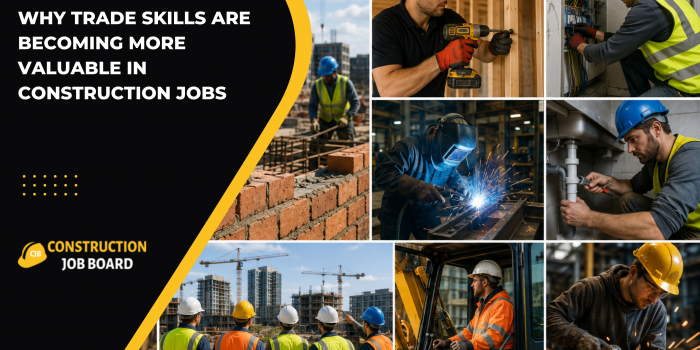
The UK construction industry is evolving rapidly, and Multi Skilled Construction Jobs are becoming some of the most sought-after opportunities in the sector. Employers are increasingly looking for workers who can perform more than one trade, adapt to different site requirements, and contribute to projects with greater flexibility. Whether it's a carpenter who can also complete basic plumbing tasks or a groundworker with machine operating skills, multi-skilled professionals are proving to be invaluable.
As construction companies face ongoing labour shortages, tighter project deadlines, and rising costs, hiring workers with multiple competencies has become a smart business strategy. For job seekers, developing additional trade skills can lead to more employment opportunities, higher salaries, and faster career progression.
If you're considering a long-term career in construction, becoming a multi-skilled worker could be one of the best investments you make.
What Is a Multi-Skilled Construction Worker?
A multi-skilled construction worker is someone who has expertise in more than one trade or can confidently perform a range of construction-related tasks.
Instead of specialising in a single discipline throughout their career, these professionals continually expand their knowledge and practical abilities.
Examples include:
- Carpenter with plastering skills
- Bricklayer with groundwork experience
- Electrician with renewable energy installation expertise
- Plumber who can install heating systems
- Painter and decorator with tiling skills
- General builder with roofing knowledge
Many Multi Trade Construction Jobs require workers to move seamlessly between tasks depending on project requirements.
This flexibility allows construction companies to reduce delays and improve productivity.
Why Demand Is Growing
Several factors are driving demand for multi-skilled workers across the UK.
1. The Construction Skills Shortage
One of the biggest challenges facing the construction industry is the shortage of skilled workers.
Many experienced tradespeople are reaching retirement age, while fewer young people are entering construction careers.
As a result, employers are struggling to recruit enough qualified workers.
Hiring someone who can perform multiple roles helps bridge these skills gaps without significantly increasing workforce numbers.
This makes multi-skilled workers particularly attractive to employers.
- Faster Project Delivery
Construction projects operate under strict deadlines.
Delays often increase costs for developers, contractors, and clients.
Workers capable of completing multiple tasks help projects progress more efficiently because they can continue working even when another specialist is unavailable.
For example:
Instead of waiting several days for another trade to arrive, a multi-skilled operative may complete smaller tasks immediately, helping the project stay on schedule.
- Improved Productivity
Construction companies constantly seek ways to improve productivity.
A worker who can complete several related tasks reduces downtime between trades.
Rather than managing multiple subcontractors for minor jobs, employers benefit from one skilled professional capable of handling various responsibilities.
This efficiency saves:
- Labour costs
- Administration time
- Site coordination
- Project management effort
- Better Value for Employers
Recruitment is expensive.
Finding experienced tradespeople can take weeks or even months.
When employers recruit workers with multiple competencies, they gain greater flexibility across different stages of a project.
For example, one employee might assist with:
- Groundworks
- Concrete preparation
- Internal finishing
- Basic maintenance
- Site repairs
This versatility improves workforce planning while reducing recruitment costs.
Skills That Make Construction Workers More Valuable
Today's employers increasingly prioritise practical versatility over narrow specialisation.
Some of the most valuable Construction Industry Skills include:
Carpentry
Carpenters remain essential across residential, commercial, and infrastructure projects.
Additional skills such as plasterboarding or kitchen installation make candidates even more employable.
Plumbing
Plumbers with heating, gas, or renewable energy experience often command higher salaries.
Many employers value professionals who can complete full installation packages rather than individual tasks.
Bricklaying
Bricklayers who also understand blockwork, pointing, or structural repairs can work across a wider range of projects.
Groundworks
Groundworkers who can operate machinery or understand drainage systems become valuable assets on civil engineering projects.
Decorating and Finishing
Painters with tiling, flooring, or plaster repair experience often secure longer contracts because they can complete multiple finishing tasks.
Technology Is Changing Construction Careers
Modern construction sites are becoming increasingly digital.
While practical trade skills remain essential, employers now appreciate workers who can also use technology effectively.
Examples include:
- Digital drawings
- Mobile site reporting apps
- Construction management software
- Laser measuring equipment
- GPS surveying tools
Combining trade expertise with digital confidence significantly improves employability.
The Financial Benefits of Being Multi-Skilled
One of the biggest reasons workers develop additional skills is earning potential.
Employers are often willing to pay higher wages for workers who reduce the need to hire multiple specialists.
Benefits include:
- Higher hourly rates
- Better overtime opportunities
- Longer contracts
- Greater job security
- Increased promotion prospects
Workers capable of handling multiple responsibilities often become supervisors or team leaders more quickly than those with only one trade.
Industries Hiring Multi-Skilled Workers
Demand extends beyond traditional housebuilding.
Employers actively recruiting multi-skilled professionals include:
- Residential developers
- Commercial contractors
- Infrastructure companies
- Facilities management providers
- Housing associations
- Property maintenance companies
- Local authorities
- Renewable energy contractors
These organisations value adaptable workers capable of responding to changing project requirements.
How to Become a Multi-Skilled Construction Worker
Building additional skills doesn't happen overnight, but there are several practical ways to expand your expertise.
Gain Experience on Site
Working alongside other trades provides valuable exposure to different construction techniques and processes.
Being willing to assist colleagues and learn new tasks can accelerate your development.
Complete Additional Training
Short courses, vocational qualifications, and trade certifications allow you to gain recognised skills that employers value.
Areas such as plastering, tiling, groundwork, and plant operation can complement your primary trade.
Work on Different Types of Projects
Residential, commercial, infrastructure, and refurbishment projects each present unique challenges. Exposure to varied environments broadens your practical experience and makes your CV more attractive.
Develop Digital Knowledge
Learning how to use digital construction tools, mobile site reporting apps, and Building Information Modelling (BIM) platforms can give you a competitive advantage.
Why Employers Prefer Adaptable Workers
Construction projects rarely follow exactly the same pattern.
Weather conditions, supply chain issues, design changes, and unexpected site challenges require teams that can adapt quickly.
Multi-skilled workers help employers:
- Respond to changing workloads.
- Reduce project delays.
- Improve collaboration between trades.
- Increase productivity on site.
- Deliver projects more efficiently.
For recruiters, hiring adaptable professionals reduces risk and improves workforce planning.
Career Progression Opportunities for Multi-Skilled Workers
One of the biggest advantages of developing multiple trade skills is the opportunity for faster career progression. Employers often view multi-skilled workers as reliable problem-solvers who can take on greater responsibilities across different phases of a project.
A typical career path may look like this:
Construction Labourer
Skilled Tradesperson
Multi-Skilled Operative
Lead Operative
Site Supervisor
Assistant Site Manager
Site Manager
Project Manager
As workers gain experience across several disciplines, they naturally develop leadership, communication, and planning skills. These qualities make them strong candidates for supervisory and management positions.
Salary Expectations
While salaries vary depending on location, experience, and employer, multi-skilled workers generally earn more than professionals who specialise in only one trade.
Approximate UK salary ranges include:
|
Role
|
Typical Salary
|
|
Construction Labourer
|
£25,000–£32,000
|
|
Skilled Tradesperson
|
£32,000–£42,000
|
|
Multi-Skilled Operative
|
£38,000–£50,000
|
|
Site Supervisor
|
£45,000–£60,000
|
|
Site Manager
|
£55,000–£75,000+
|
Workers with specialist qualifications, health and safety certifications, or digital construction skills may command even higher salaries.
Essential Certifications That Increase Employability
Employers value practical experience, but recognised certifications can significantly improve your chances of securing higher-paying roles.
Popular qualifications include:
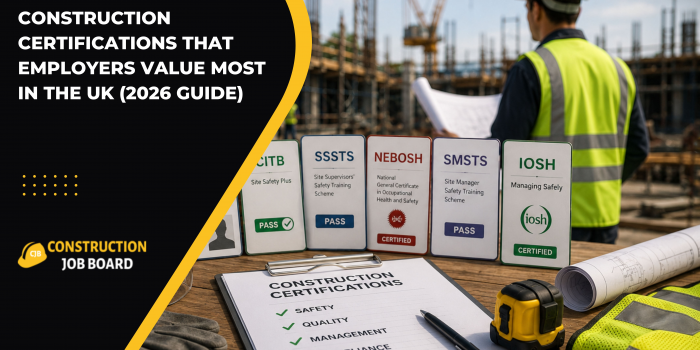
- CSCS Card
- SMSTS (Site Management Safety Training Scheme)
- SSSTS (Site Supervisor Safety Training Scheme)
- CPCS Plant Operator Card
- PASMA
- IPAF
- First Aid at Work
- Manual Handling
- Asbestos Awareness
- Working at Height
These certifications demonstrate professionalism and a commitment to maintaining high safety standards on site.
The Importance of Continuous Learning
The construction industry is constantly evolving. New building methods, sustainable materials, digital technologies, and health and safety regulations are changing how projects are delivered.
Successful construction professionals understand that learning doesn't stop after completing an apprenticeship or qualification.
Ways to continue developing include:
- Attending manufacturer training sessions.
- Completing online construction courses.
- Learning new trade skills.
- Gaining digital construction experience.
- Participating in health and safety refresher training.
- Working alongside experienced specialists.
By continuously expanding your knowledge, you become more adaptable and attractive to employers.
The Growing Role of Digital Skills
Today's construction sites rely more heavily on technology than ever before. Multi-skilled workers who can combine traditional trade expertise with digital knowledge are increasingly valuable.
Useful digital skills include:
- Using Building Information Modelling (BIM) software.
- Reading digital construction drawings.
- Completing digital site inspections.
- Using mobile project management apps.
- Recording progress through cloud-based reporting tools.
- Operating laser measuring equipment.
- Understanding drone-assisted site surveys.
Employers recognise that workers who are comfortable with technology can improve efficiency, reduce errors, and contribute to smoother project delivery.
Common Mistakes That Hold Construction Workers Back
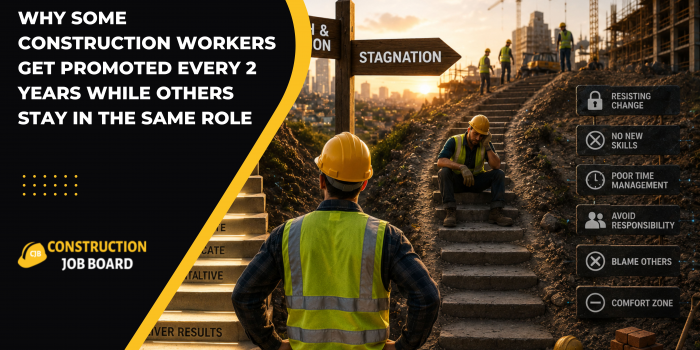
Some professionals remain in the same role for years despite having excellent practical abilities.
Common reasons include:
Only Learning One Trade
Specialising is valuable, but refusing to develop additional skills can limit future opportunities.
Ignoring New Technology
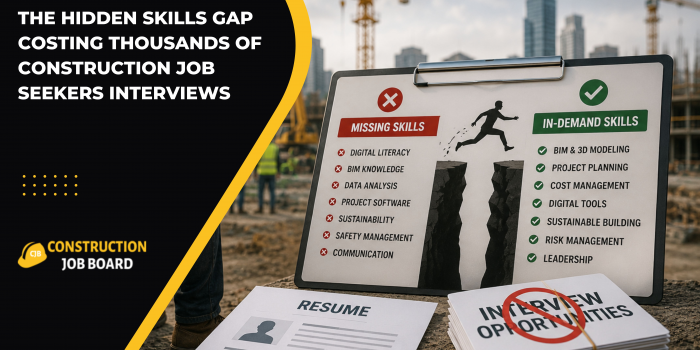
Digital tools are becoming standard across the industry. Workers who avoid learning them may find themselves less competitive.
Not Updating Certifications
Expired qualifications can reduce employability and restrict access to certain projects.
Poor Communication Skills
Construction is a team environment. Employers value workers who communicate clearly with colleagues, subcontractors, and clients.
Lack of Initiative
Workers who actively seek opportunities to learn new tasks often progress faster than those who only complete assigned duties.
Why Employers Continue Investing in Multi-Skilled Teams
Construction companies operate in an increasingly competitive market.
Clients expect projects to be completed:
- On time
- Within budget
- To high quality standards
- With strong health and safety performance
Multi-skilled teams help achieve these objectives because they:
- Improve workforce flexibility.
- Reduce delays between trades.
- Lower recruitment costs.
- Increase productivity.
- Adapt quickly to changing project requirements.
- Support better collaboration across the site.
As construction methods continue to evolve, employers are expected to place even greater emphasis on adaptable workers with diverse skill sets.
Final Thoughts
The demand for Multi Skilled Construction Jobs is likely to continue growing as the UK construction industry addresses skills shortages, embraces digital innovation, and delivers increasingly complex projects.
While mastering one trade remains an excellent starting point, expanding your expertise into complementary disciplines can significantly improve your career prospects. Multi-skilled workers often enjoy greater job security, higher earning potential, and access to a wider variety of construction projects.
Investing in additional training, certifications, and digital knowledge not only makes you more valuable to employers but also prepares you for leadership roles in the future.
Whether you're just beginning your career or looking to take the next step, becoming a multi-skilled construction professional is one of the most effective ways to build a rewarding and resilient career in the UK construction industry.
Explore the latest Construction Jobs UK, Skilled Trades Jobs, and Multi Trade Construction Jobs to find opportunities where your growing skill set can make a real difference.
Frequently Asked Questions
1. What is a multi-skilled construction worker?
A multi-skilled construction worker has expertise in more than one trade, allowing them to complete a wider variety of tasks on construction projects.
2. Why are multi-skilled workers in high demand?
Employers value multi-skilled workers because they improve productivity, reduce project delays, and offer greater flexibility across different stages of construction.
3. Which additional skills are most valuable in construction?
Skills such as plumbing, carpentry, plastering, tiling, groundwork, plant operation, and digital construction technologies are highly valued.
4. Do multi-skilled workers earn higher salaries?
Yes. Workers with multiple competencies often earn higher wages because they can perform a broader range of responsibilities and reduce the need for additional specialists.
5. Can apprentices become multi-skilled?
Absolutely. Many apprentices begin in one trade and expand their expertise through additional training and on-site experience.
6. Are digital skills important for construction workers?
Yes. Knowledge of BIM, digital drawings, construction software, and mobile reporting tools is becoming increasingly important across the industry.
7. How can I become a multi-skilled construction worker?
You can build additional skills by gaining practical site experience, completing recognised training courses, earning certifications, and working on different types of construction projects.