18/06/2026
How Infrastructure Projects Are Driving Construction Hiring
The construction industry continues to play a vital role in economic growth, community development, and national infrastructure improvements. Across the UK, major infrastructure projects are creating significant demand for skilled professionals, tradespeople, engineers, and project management specialists.
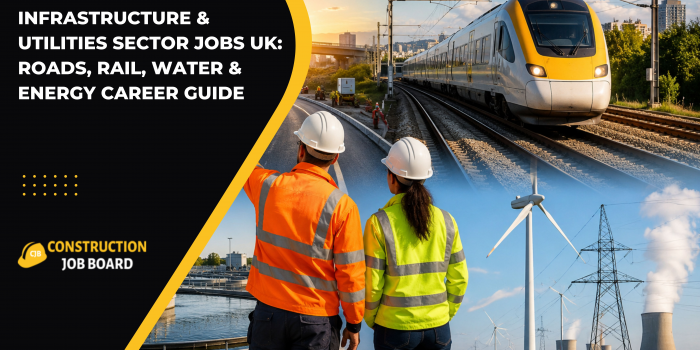
From transportation networks and energy facilities to housing developments and public infrastructure improvements, these projects are creating thousands of construction jobs and opening new career opportunities for job seekers.
For individuals considering a career in construction, infrastructure investment is helping create one of the strongest employment markets the industry has seen in years.
Why Infrastructure Projects Matter
Infrastructure projects are essential because they support economic activity and improve quality of life.
Examples include:
- Roads and highways
- Rail networks
- Bridges
- Airports
- Housing developments
- Water systems
- Energy facilities
- Public buildings
These projects require large teams of professionals working together over extended periods.
As a result, infrastructure investment directly contributes to increased demand for construction jobs across multiple disciplines.
How Infrastructure Projects Create Construction Jobs
Large-scale construction projects require a wide range of skills.
Before construction begins, professionals are needed to design, plan, estimate, and manage projects.
During construction, contractors hire workers to complete specialist tasks.
After completion, maintenance and operational roles may also be required.
This creates opportunities across the entire project lifecycle.
Civil Engineering Jobs Continue to Grow
Civil engineers play a crucial role in infrastructure development.
They help design and manage projects involving:
- Roads
- Bridges
- Railways
- Drainage systems
- Public infrastructure
As governments and private organizations invest in new infrastructure, demand for civil engineering professionals remains strong.
Construction jobs in civil engineering continue to offer excellent long-term career prospects.
Site Manager Jobs Are Essential
Every major project requires effective leadership.
Site Managers coordinate:
- Construction activities
- Health and safety procedures
- Labour resources
- Project schedules
- Quality standards
Because infrastructure projects often involve large teams and complex operations, experienced Site Managers remain highly sought after.
Skilled Trades Continue to Benefit
Infrastructure projects create demand for skilled trades such as:
- Electricians
- Plumbers
- Carpenters
- Bricklayers
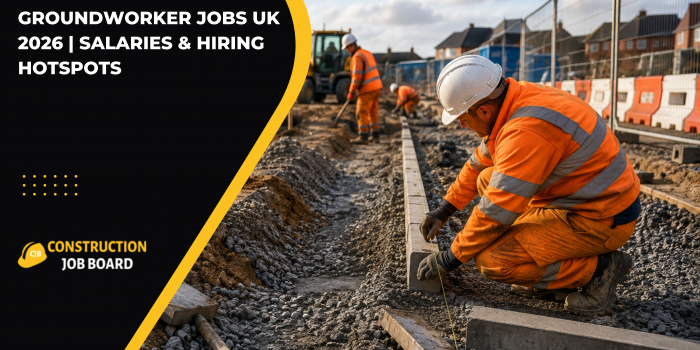
- Groundworkers
- Steel Fixers
- Plant Operators
These professionals form the backbone of successful project delivery.
Many employers struggle to recruit qualified tradespeople, making construction jobs in skilled trades particularly valuable.
Quantity Surveyors Support Project Success
Infrastructure projects involve significant budgets and commercial considerations.
Quantity Surveyors help organizations:
- Manage project costs
- Control budgets
- Reduce financial risks
- Improve profitability
As project values continue increasing, employers need experienced commercial professionals to support project delivery.
Estimator Jobs Help Secure Contracts
Before construction begins, organizations need accurate cost estimates.
Estimators calculate:
- Labour requirements
- Material costs
- Equipment expenses
- Project risks
Their work helps companies submit competitive tenders and win new business.
Demand for estimators continues growing alongside infrastructure investment.
Technology Is Creating New Opportunities
Modern infrastructure projects increasingly use digital technologies.
These include:
- Building Information Modelling (BIM)
- CAD software
- Project management platforms
- Digital surveying tools
- Construction analytics
Professionals with technology skills often enjoy additional career opportunities.
Construction jobs that combine technical and digital expertise are becoming increasingly valuable.
Skills Employers Want Most
Employers involved in infrastructure projects look for candidates with a combination of technical and professional skills.
Key skills include:
Construction Knowledge
Understanding materials, methods, and industry regulations remains important.
Health and Safety Awareness
Infrastructure projects require strict compliance with safety standards.
Communication Skills
Construction professionals work closely with multiple teams and stakeholders.
Problem Solving
Unexpected challenges frequently occur during project delivery.
Adaptability
Technology and construction methods continue evolving.
Professionals who embrace change often progress more quickly.
Why Infrastructure Projects Create Long-Term Career Opportunities
Unlike short-term developments, many infrastructure projects continue for several years.
This provides:
- Stable employment
- Career progression opportunities
- Skills development
- Leadership experience
- Professional networking opportunities
For job seekers, infrastructure projects often provide an excellent foundation for long-term career growth.
How to Start a Career in Infrastructure Construction
Job seekers interested in infrastructure-related construction jobs can improve their prospects by:
- Gaining construction qualifications
- Learning digital construction tools
- Completing apprenticeships
- Developing trade skills
- Building practical experience
- Staying informed about industry trends
Many employers value candidates who demonstrate a willingness to learn and develop professionally.
Final Thoughts
Infrastructure projects continue to play a major role in driving demand for construction jobs across the UK.
From civil engineers and site managers to estimators, quantity surveyors, and skilled tradespeople, employers are actively searching for professionals who can support project delivery.
For job seekers looking for a rewarding and future-focused career, infrastructure construction offers strong opportunities for growth, stability, and professional success.
FAQs
1. What construction jobs are most in demand on infrastructure projects?
Infrastructure projects create strong demand for Civil Engineers, Site Managers, Quantity Surveyors, Estimators, Electricians, Plumbers, Carpenters, Groundworkers, and Plant Operators. Employers are actively recruiting skilled professionals to support major developments across the UK.
2. How do infrastructure projects increase construction hiring?
Large infrastructure projects require workers throughout the planning, design, construction, and maintenance stages. This creates long-term hiring opportunities and increases demand for both skilled trades and construction management professionals.
3. What qualifications are needed for infrastructure construction jobs?
Requirements vary by role. Skilled trades often require apprenticeships or vocational qualifications, while professional roles such as Civil Engineers and Quantity Surveyors typically require relevant degrees or industry certifications.
4. Are infrastructure construction jobs a good long-term career choice?
Yes. Many infrastructure projects last several years and provide stable employment, career progression opportunities, professional development, and valuable industry experience, making them an attractive long-term career option.
5. What skills do employers look for in construction job candidates?
Employers value technical construction knowledge, health and safety awareness, communication skills, problem-solving abilities, project management experience, and familiarity with digital construction technologies such as BIM and CAD software.