30/06/2026
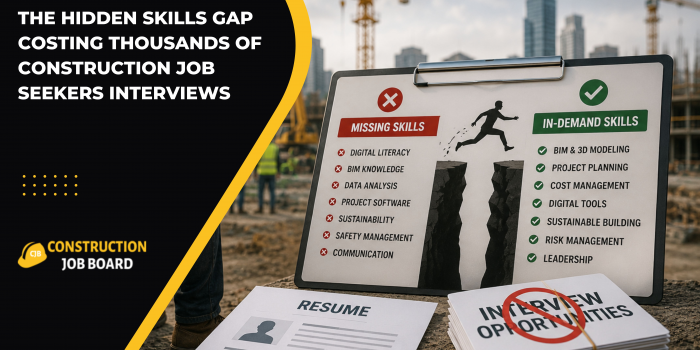
The Hidden Skills Gap Costing Thousands of Construction Job Seekers Interviews
Imagine two candidates applying for the same construction job.
Both have similar experience. Both hold the required qualifications. Both have worked on comparable projects.
Yet one receives an interview invitation within days, while the other never hears back.
Why?
Many job seekers assume employers only care about qualifications or years of experience. In reality, recruiters are increasingly looking beyond certificates and job titles. They want candidates who can adapt to modern construction practices, communicate effectively, solve problems, and work confidently with new technologies.
This difference is known as the construction skills gap the gap between the skills employers need and the skills many candidates currently offer.
Understanding this gap is one of the most important steps you can take if you're serious about building a successful career in the UK construction industry.
What Is the Construction Skills Gap?
The term "skills gap" doesn't mean candidates lack ability. It means the industry's expectations are evolving faster than many professionals can keep up.
For example, a skilled tradesperson may have years of practical experience but little exposure to digital project management tools or Building Information Modelling (BIM). Likewise, a graduate engineer may understand technical theory but lack communication, leadership, or commercial awareness.
Employers increasingly want candidates who combine technical knowledge with modern workplace skills.
In simple terms:
- Qualifications help you meet the minimum requirements.
- Skills help you stand out.
Why Is the Skills Gap Growing?
The construction industry is changing rapidly. Several factors are driving this shift.
1. Technology Is Reshaping Construction
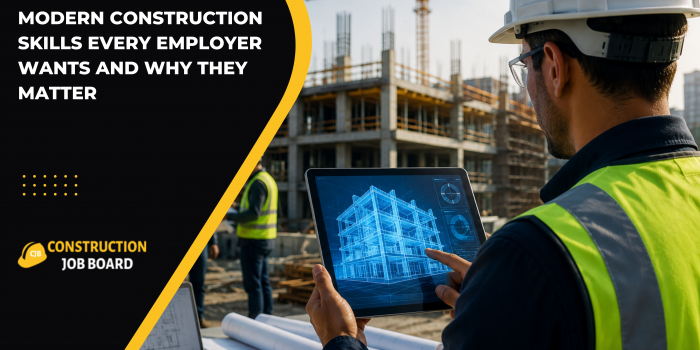
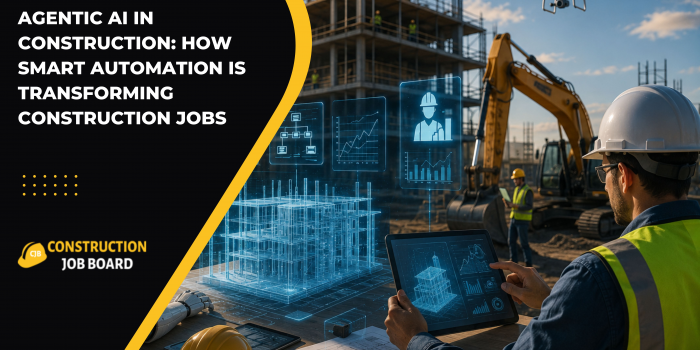
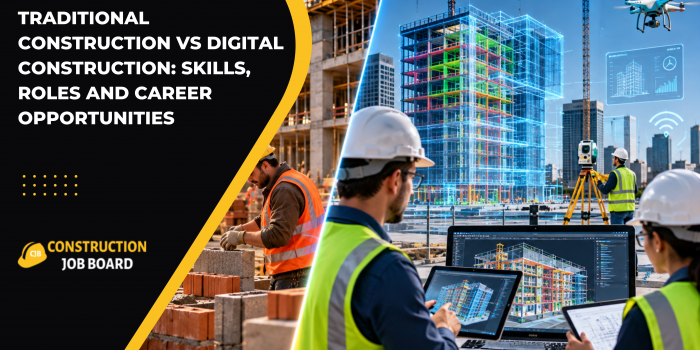
Construction sites are becoming more digital.
Today, many projects rely on:
- Building Information Modelling (BIM)
- Cloud-based project management platforms
- Digital inspections
- Mobile reporting tools
- Drone surveys
- Real-time project tracking
Candidates who understand these technologies often have an advantage, even if they're applying for traditional site-based roles.
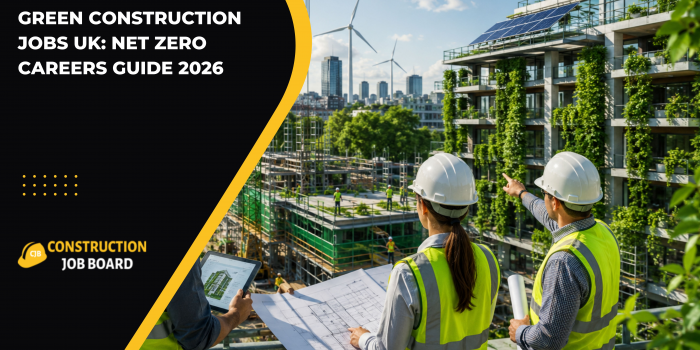
- Sustainability Is No Longer Optional
Environmental standards are now a key part of construction.
Companies are expected to reduce carbon emissions, minimise waste, improve energy efficiency, and comply with increasingly strict regulations.
This means employers value professionals who understand:
- Sustainable construction methods
- Retrofit projects
- Environmental compliance
- Energy-efficient materials
- Carbon reduction strategies
Even basic awareness of sustainable construction can strengthen a candidate's CV.
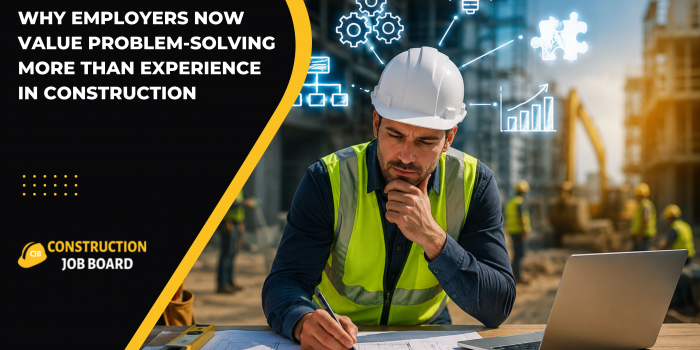
- Employers Need Problem Solvers
Construction projects rarely go exactly as planned.
Unexpected weather, supply chain issues, design changes, and budget pressures require people who can think critically and respond quickly.
Recruiters often ask themselves:
"Can this person solve problems without creating new ones?"
Candidates who demonstrate initiative, adaptability, and practical decision-making are more likely to progress.
The Skills Employers Say Are Missing
While every role is different, recruiters consistently identify several areas where candidates could improve.
Digital Literacy
You don't need to be a software expert, but understanding digital tools has become increasingly valuable.
Examples include:
- BIM software
- Microsoft Project
- Excel
- Construction management platforms
- Digital document control
Being comfortable with technology shows employers you're ready for the future of construction.
Communication
Construction is built on teamwork.
Every day, professionals communicate with clients, subcontractors, architects, suppliers, engineers, and site managers.
Poor communication can lead to:
- Delays
- Safety risks
- Budget overruns
- Rework
Candidates who explain technical information clearly and work well with others often stand out during recruitment.
Commercial Awareness
Many professionals focus entirely on technical ability.
However, employers also want people who understand how projects make money.
Commercial awareness includes understanding:
- Budgets
- Procurement
- Cost control
- Resource planning
- Contract obligations
This doesn't mean every employee needs to become a Quantity Surveyor.
It simply means recognising that successful projects must also be financially successful.
Leadership Potential
Leadership isn't limited to managers.
Employers value individuals who:
- Take responsibility
- Support colleagues
- Solve problems
- Remain calm under pressure
- Help improve team performance
These behaviours often lead to faster career progression.
Adaptability
Construction techniques continue to evolve.
Professionals who actively learn new systems, embrace change, and improve their skills remain valuable throughout their careers.
Adaptability has become one of the most important employability skills in today's construction industry.
Why Some Qualified Candidates Still Don't Get Interviews
One of the biggest misconceptions in construction recruitment is that qualifications alone guarantee opportunities.
In reality, recruiters compare dozens—sometimes hundreds—of applications for a single role.
When several candidates hold similar certifications, employers begin looking for additional strengths.
For example:
- Has the candidate worked with digital construction tools?
- Can they demonstrate leadership?
- Do they show measurable achievements?
- Have they completed recent professional development?
- Can they adapt to changing project requirements?
These factors often determine who receives an interview invitation and who does not.
The Good News: Skills Can Be Developed
Unlike experience, which takes time to build, many of today's most valuable construction skills can be learned through short courses, on-the-job training, mentoring, and continuous professional development.
Investing in your skills today can improve not only your chances of securing interviews but also your long-term career progression and earning potential.
How to Close the Construction Skills Gap
The encouraging news is that the skills gap isn't permanent. Unlike years of experience, many of the abilities employers value can be developed in a relatively short time with the right approach.
Rather than trying to learn everything at once, focus on building skills that will make the biggest difference to your career.
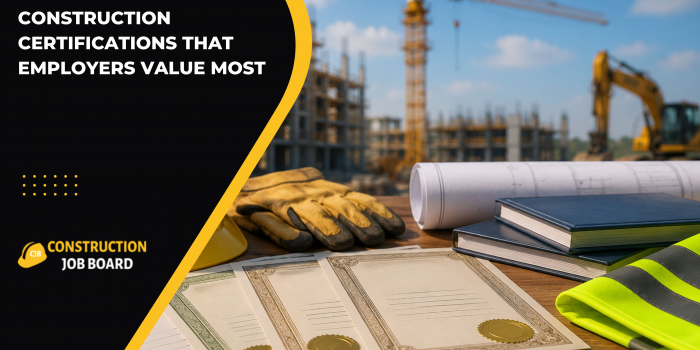
1. Keep Your Certifications Up to Date
Recruiters often check qualifications before reading the rest of your CV.
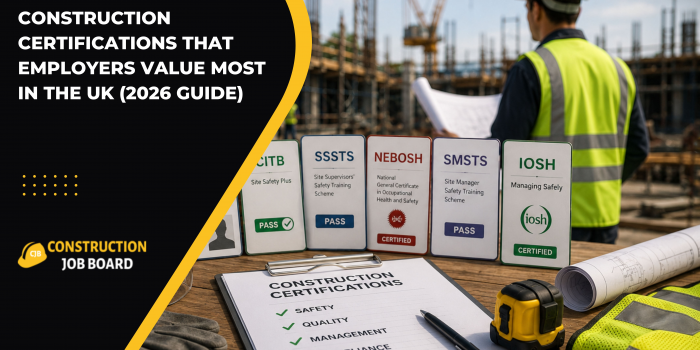
Depending on your role, certifications such as CSCS, SMSTS, SSSTS, CPCS, First Aid, NEBOSH, or IOSH can significantly strengthen your application.
Regularly renewing certifications also shows employers that you're committed to maintaining professional standards.
- Improve Your Digital Skills
Technology is no longer reserved for office-based construction professionals.
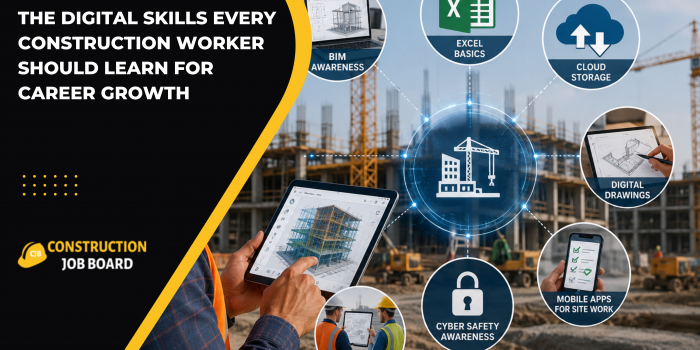
Many site workers now use mobile apps for reporting, digital drawings, safety inspections, and project communication.
Consider learning:
- Microsoft Excel
- Microsoft Project
- BIM fundamentals
- Digital document management
- Construction project management software
Even a basic understanding can make your CV more competitive.
- Learn the Business Side of Construction
Many candidates understand how projects are built but not how they make money.
Learning about commercial aspects such as:
- Cost control
- Procurement
- Contracts
- Resource planning
- Project budgets
helps you think like a future supervisor or manager.
Employers value professionals who understand both technical and commercial success.
- Build Strong Communication Skills
Construction projects involve constant collaboration between different teams.
Improving communication can help you:
- Resolve problems faster
- Build trust with colleagues
- Improve client relationships
- Reduce misunderstandings
- Demonstrate leadership potential
Simple habits—such as writing clear emails, asking questions when unsure, and actively listening during meetings—can make a significant difference.
- Show Initiative
One characteristic recruiters consistently notice is initiative.
Instead of waiting to be told what to do, successful candidates often:
- Volunteer for additional responsibilities
- Suggest improvements
- Help solve site problems
- Support less experienced colleagues
- Learn new systems independently
Initiative demonstrates leadership before you even have a management title.
A Simple 90-Day Plan to Improve Your Employability
Improving your career doesn't require dramatic changes overnight.
Here's a practical roadmap:
First 30 Days
- Review your CV and LinkedIn profile.
- Identify any expired certifications.
- Read construction industry news each week.
- Research the skills listed in current job adverts.
Days 31–60
- Complete an online course in BIM, project management, or health and safety.
- Learn a new software tool used in construction.
- Ask your manager for additional responsibilities or shadow a senior colleague.
Days 61–90
- Update your CV with your new skills.
- Highlight measurable achievements rather than only listing duties.
- Apply for roles that match your improved skill set.
- Continue building your professional network.
Small improvements made consistently often produce better results than trying to learn everything at once.
What Construction Recruiters Really Notice
Recruiters often say that technical ability gets candidates onto the shortlist—but attitude, adaptability, and communication influence who gets hired.
Candidates who stand out usually demonstrate:
- A willingness to learn
- Professional communication
- Up-to-date qualifications
- Relevant digital skills
- Positive references
- Evidence of solving real workplace challenges
These qualities signal that you'll contribute to a project rather than simply complete assigned tasks.
Future Skills Employers Will Value Most
Looking ahead, the construction workforce will continue to evolve.
Some of the most valuable skills over the next decade are expected to include:
Digital Construction
Understanding BIM, digital twins, and project collaboration tools.
Sustainability
Knowledge of low-carbon construction, retrofit projects, and environmental compliance.
Data Awareness
Using project information to improve planning, safety, and productivity.
Leadership
Managing people, resolving conflicts, and motivating teams.
Adaptability
Learning new technologies and responding positively to industry change.
Candidates who invest in these areas today are likely to remain competitive as the industry evolves.
Final Thoughts
The construction industry isn't simply looking for more workers—it is looking for professionals who can adapt to a changing workplace.
The hidden skills gap explains why two candidates with similar qualifications often achieve very different results during recruitment.
Technical expertise remains essential, but employers increasingly value communication, leadership, digital literacy, commercial awareness, and a commitment to continuous learning.
The good news is that these skills can all be developed.
Every course you complete, every responsibility you take on, and every new skill you learn increases your value to employers.
Closing the skills gap isn't just about getting more interviews. It's about building a stronger, more rewarding construction career that continues to grow as the industry changes.
People Also Ask
What is the construction skills gap?
The construction skills gap refers to the difference between the skills employers need and the skills many job seekers currently possess. It often includes technical knowledge, digital capabilities, communication, leadership, and commercial awareness.
Why do qualified construction workers struggle to get interviews?
Many candidates meet the minimum qualifications but fail to demonstrate the additional skills employers now expect, such as adaptability, digital literacy, measurable achievements, and strong communication.
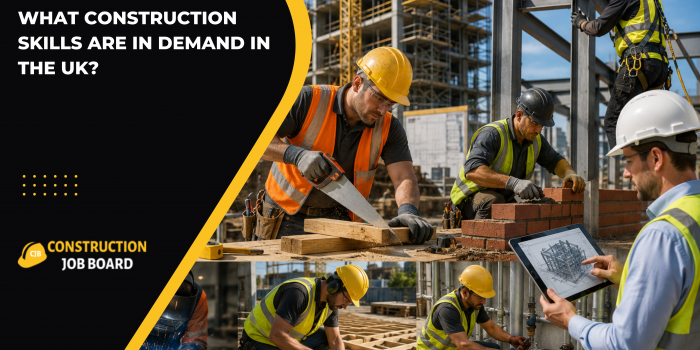
Which construction skills are most in demand?
Employers increasingly look for BIM knowledge, project management, sustainability awareness, leadership, communication, commercial understanding, and problem-solving abilities.
How can I improve my employability in construction?
Keep your certifications current, learn digital construction tools, improve communication skills, gain practical experience, and continuously update your knowledge through professional development.
FAQs
What causes the construction skills gap?
Rapid technological change, sustainability requirements, changing employer expectations, and shortages of experienced professionals all contribute to the construction skills gap.
Do I need new qualifications to close the skills gap?
Not always. While certifications can help, improving digital skills, communication, leadership, and commercial awareness can also make you more attractive to employers.
Are soft skills important in construction?
Yes. Employers increasingly value communication, teamwork, leadership, and problem-solving because these skills help projects run safely and efficiently.
Which construction skills will be most valuable by 2030?
Digital construction, sustainability, BIM, project management, leadership, adaptability, and commercial awareness are expected to remain among the most valuable skills.