17/06/2026
Why Estimator Jobs Are Essential in Construction and How They Can Lead to a Successful Career
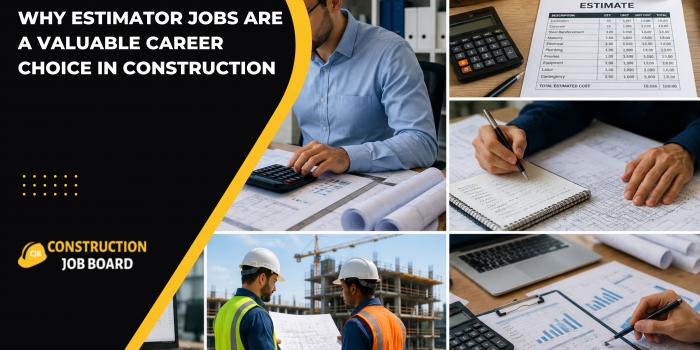
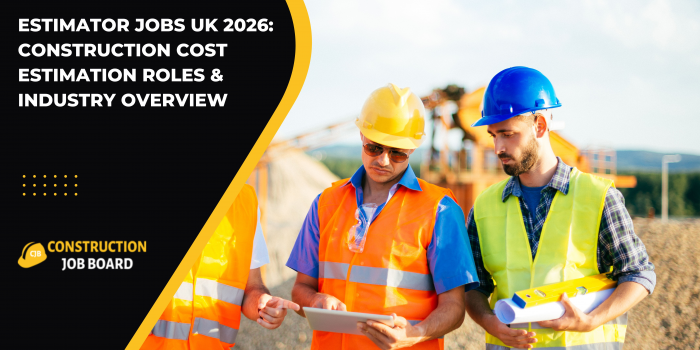
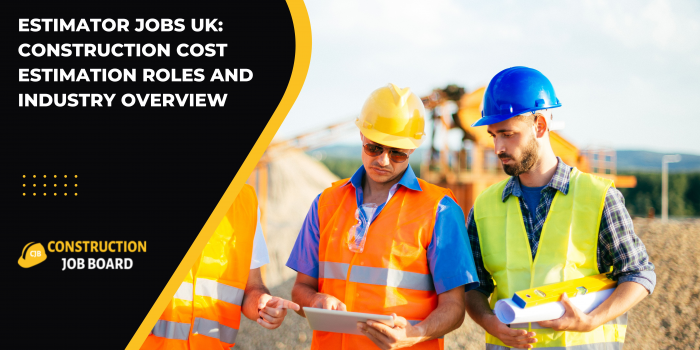
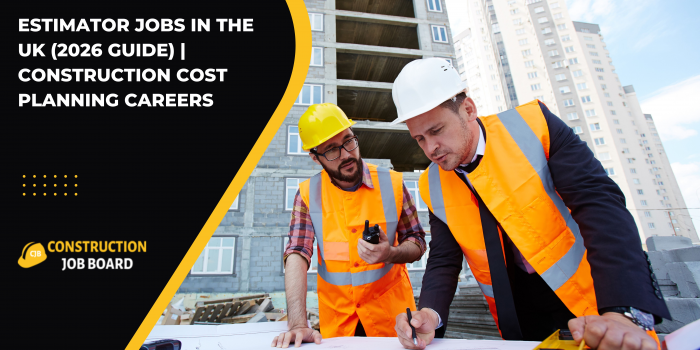
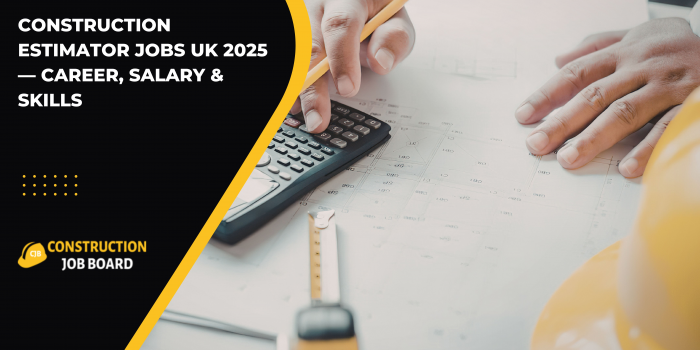
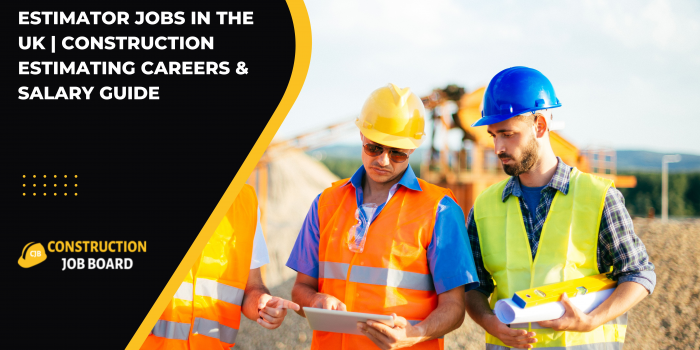
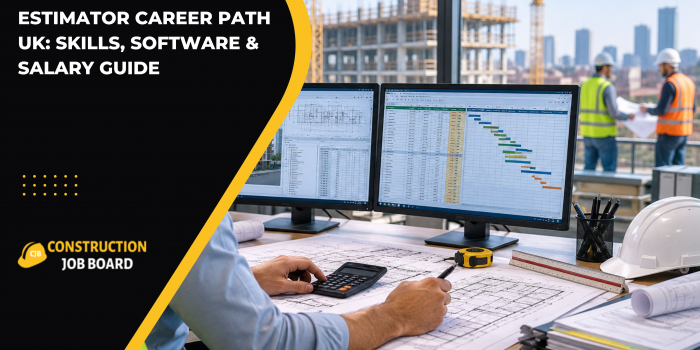
Every successful construction project starts with careful planning, accurate budgeting, and realistic cost projections. Before a contractor submits a bid or a project begins on-site, someone must calculate the expected costs, materials, labour requirements, and project risks. This responsibility falls to Construction Estimators.
Estimator jobs play a crucial role in the construction industry because accurate cost estimates help companies remain profitable while delivering projects on budget. Without skilled estimators, construction businesses could face financial losses, project delays, or difficulties winning contracts.
For job seekers who enjoy numbers, problem-solving, construction planning, and analytical thinking, estimator jobs can offer a rewarding and long-term career path.
What Does an Estimator Do?
An estimator evaluates construction projects and calculates the expected costs involved in completing them.
Their work helps contractors determine how much to charge clients while ensuring projects remain financially viable.
Typical responsibilities include:
- Reviewing project drawings and specifications
- Calculating material costs
- Estimating labour requirements
- Assessing project risks
- Preparing tender submissions
- Working with suppliers and subcontractors
- Supporting project planning teams
Their calculations directly influence whether a company wins contracts and maintains profitability.
Why Are Estimator Jobs in Demand?
Construction companies operate in highly competitive markets.
Accurate cost planning has become increasingly important because material prices, labour costs, and project complexity continue to change.
Employers actively hire estimators because they help:
- Improve project profitability
- Reduce financial risks
- Produce competitive tenders
- Control construction costs
- Support project planning
- Improve budgeting accuracy
As construction projects become larger and more complex, demand for experienced estimators continues to grow.
Why Estimators Are Important to Construction Companies
Many job seekers are surprised by how much influence estimators have within an organization.
Before construction begins, project managers, directors, and clients often rely on estimator calculations when making important business decisions.
A skilled estimator can help a company:
Win More Contracts
Accurate pricing helps businesses submit competitive tenders.
Avoid Cost Overruns
Careful forecasting reduces financial surprises during project delivery.
Improve Profit Margins
Well-prepared estimates help companies maintain profitability.
Support Better Decision-Making
Management teams use estimating data to plan future projects and investments.
Because of these responsibilities, estimators are highly valued within construction organizations.
Skills Employers Look for in Estimators
Successful estimators combine technical construction knowledge with strong analytical skills.
Numerical Skills
Estimators work with calculations, quantities, pricing, and budgets daily.
Attention to Detail
Even small errors can affect project profitability.
Construction Knowledge
Understanding materials, labour requirements, and construction methods is essential.
Commercial Awareness
Employers value professionals who understand market conditions and project costs.
Communication Skills
Estimators frequently collaborate with clients, subcontractors, suppliers, and project teams.
Industries Hiring Estimators
Estimator jobs are available across multiple sectors.
Building Construction
Residential and commercial contractors regularly hire estimators.
Civil Engineering
Infrastructure projects require detailed cost planning and resource forecasting.
Mechanical and Electrical Construction
Specialist contractors need estimators to support technical projects.
Facilities Management
Maintenance and refurbishment projects often require cost estimation expertise.
Infrastructure Development
Roads, railways, bridges, and public sector projects create significant demand for estimating professionals.
Career Progression Opportunities
Estimator careers offer excellent long-term growth opportunities.
Many professionals progress into senior leadership positions.
Career paths may include:
- Assistant Estimator
- Construction Estimator
- Senior Estimator
- Chief Estimator
- Commercial Manager
- Quantity Surveyor
- Pre-Construction Manager
- Bid Manager
As experience grows, professionals often become involved in larger and more complex projects.
Technology Used by Modern Estimators
Construction estimating has evolved significantly with technology.
Employers increasingly seek candidates familiar with:
- Microsoft Excel
- CostX
- Bluebeam
- Buildsoft
- Causeway Estimating
- BIM software
- Digital take-off tools
Technology helps estimators improve accuracy and productivity.
How to Start a Career in Estimating
Job seekers interested in estimator jobs can take several practical steps.
Learn Construction Fundamentals
Understanding construction methods and materials is important.
Develop Numerical Skills
Strong mathematical ability supports accurate cost calculations.
Gain Industry Qualifications
Construction, engineering, surveying, or commercial management qualifications can strengthen your profile.
Learn Estimating Software
Experience with estimating platforms can improve employability.
Gain Site Experience
Practical construction knowledge often helps estimators produce more accurate forecasts.
Why Job Seekers Should Consider Estimator Careers
Estimator jobs provide a unique opportunity to combine commercial awareness, technical knowledge, and project planning expertise.
Unlike some construction roles that focus primarily on site operations, estimators influence projects from the earliest stages.
Professionals in this field develop highly transferable skills that remain valuable across multiple construction sectors.
Final Thoughts
Estimator jobs continue to be among the most important roles within the construction industry. Companies depend on accurate cost forecasting, competitive tendering, and effective budgeting to succeed in a competitive market.
For job seekers who enjoy analytical thinking, problem-solving, and construction planning, estimating can provide excellent career prospects, long-term stability, and significant opportunities for advancement.
FAQs
What does a construction estimator do?
A construction estimator calculates project costs, labour requirements, materials, and potential risks to help companies prepare accurate tenders and budgets.
Are estimator jobs in demand?
Yes. Construction companies rely on estimators to improve profitability, control costs, and submit competitive project bids.
What skills are required for estimator jobs?
Important skills include numerical ability, attention to detail, construction knowledge, commercial awareness, communication, and problem-solving.
Do estimators need construction experience?
While not always required, construction experience can help estimators better understand project requirements and improve cost accuracy.
What software do estimators use?
Common estimating software includes CostX, Bluebeam, Buildsoft, Causeway Estimating, BIM tools, and Microsoft Excel.
Can estimator jobs lead to senior positions?
Yes. Estimators often progress into roles such as Senior Estimator, Chief Estimator, Commercial Manager, Quantity Surveyor, and Pre-Construction Manager.
Is estimating a good career in construction?
Yes. Estimating offers strong demand, excellent career progression, and opportunities to work on a wide range of construction projects.