29/06/2026
The Fastest-Growing Construction Careers in the UK for 2026 and Beyond: Where the Biggest Opportunities Are
The UK construction industry is entering one of its most significant periods of transformation. Major infrastructure investments, ambitious housing targets, net-zero commitments, and rapid advances in construction technology are reshaping the types of professionals employers need.
While traditional roles such as bricklayers, electricians, plumbers, and site managers remain essential, a new generation of careers is emerging. These roles combine technical expertise with digital skills, sustainability knowledge, project management, and commercial awareness.
For job seekers, this presents an exciting opportunity. Instead of focusing only on today's vacancies, you can prepare for careers expected to remain in high demand throughout the rest of the decade.
Whether you're leaving school, changing careers, or already working in construction, understanding where the industry is heading can help you make smarter career decisions.
Why Construction Careers Are Changing
Construction today looks very different from what it did just ten years ago.
Projects have become more complex, regulations have become stricter, and clients expect buildings to be delivered faster, more sustainably, and within tighter budgets.
Several trends are driving this transformation.
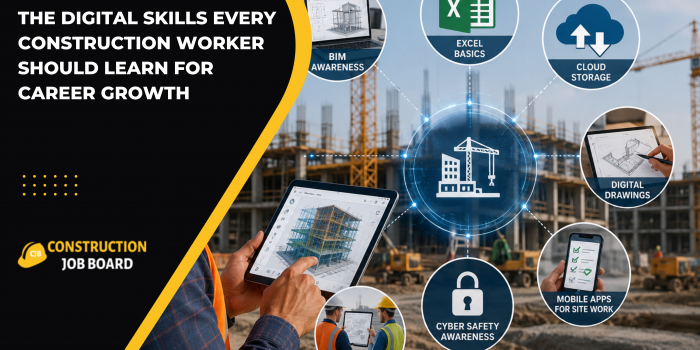
Digital Construction
Building Information Modelling (BIM), digital twins, cloud collaboration, and project management software have become standard across many projects.
Construction professionals are now expected to work confidently with digital tools alongside traditional site knowledge.
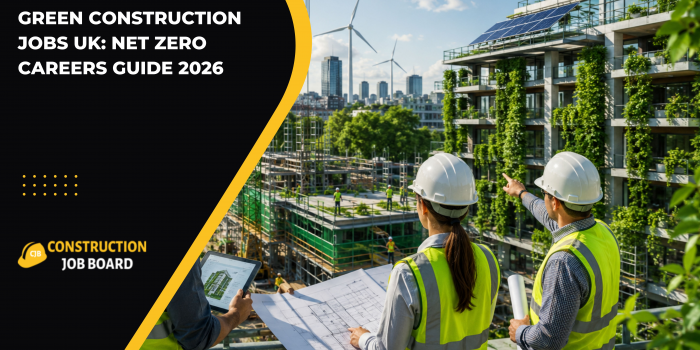
Sustainability and Net Zero
The UK continues to invest heavily in reducing carbon emissions.
Developers are upgrading existing buildings, improving energy efficiency, and using environmentally responsible construction methods.
This has created entirely new career opportunities across retrofit, sustainability, and environmental compliance.
Infrastructure Investment
Large-scale transport, energy, and residential developments continue to create demand for skilled professionals across engineering, planning, commercial management, and project delivery.
Skills Shortages
One of the biggest challenges facing the construction industry is attracting enough qualified professionals.
As experienced workers retire, employers are actively looking for candidates with modern technical skills and a willingness to learn.
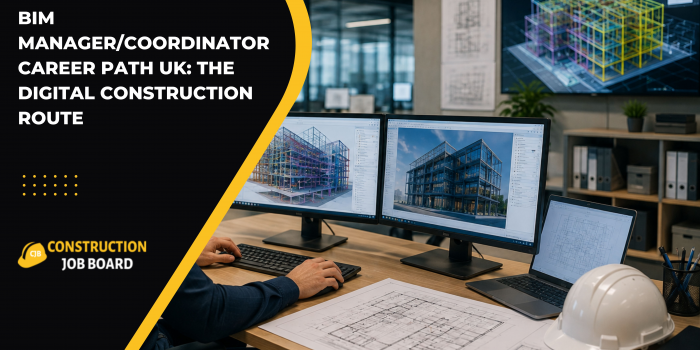
- BIM Manager
Few careers have grown as rapidly as Building Information Modelling (BIM).
A BIM Manager oversees the digital models used throughout a construction project's lifecycle, ensuring architects, engineers, contractors, and clients all work from accurate information.
Typical Responsibilities
- Managing digital building models
- Coordinating multidisciplinary teams
- Improving collaboration
- Identifying design clashes before construction
- Maintaining project information standards
Why Demand Is Growing
BIM reduces costly errors, improves communication, and increases project efficiency.
Many employers now consider BIM experience a major competitive advantage when recruiting project teams.
Who Should Consider This Career?
- Architects
- Civil Engineers
- Design Coordinators
- CAD Technicians
- Project Engineers
- Retrofit Project Manager
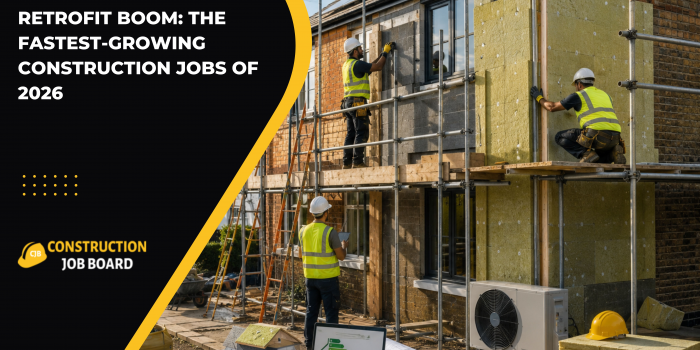
Retrofitting existing buildings has become one of the UK's fastest-growing construction sectors.
Rather than demolishing older properties, organisations increasingly upgrade them to improve energy efficiency and reduce carbon emissions.
Retrofit Project Managers oversee these complex improvement programmes.
Responsibilities
- Managing refurbishment projects
- Coordinating contractors
- Monitoring budgets
- Ensuring environmental compliance
- Delivering energy-efficiency improvements
Why It's Growing
Millions of homes and commercial buildings require upgrades over the coming years, creating long-term demand for retrofit specialists.
Professionals with knowledge of insulation systems, heat pumps, renewable technologies, and sustainable building practices are particularly well positioned.
- Construction Data Analyst
Construction companies generate enormous amounts of information every day.
Project costs, labour productivity, material usage, safety performance, scheduling, procurement, and quality inspections all produce valuable data.
Construction Data Analysts help businesses convert that information into better decisions.
Responsibilities
- Analysing project performance
- Producing reports
- Identifying trends
- Improving efficiency
- Supporting commercial teams
Why Employers Value This Role
Companies increasingly rely on data to reduce delays, control budgets, and improve project outcomes.
Professionals who understand both construction and data analysis are becoming increasingly valuable.
- Sustainability Consultant
Environmental responsibility is no longer optional.
Construction organisations are expected to reduce waste, improve energy efficiency, and meet increasingly demanding sustainability standards.
Sustainability Consultants help businesses achieve these objectives.
Typical Responsibilities
- Carbon reduction planning
- Sustainable material selection
- Environmental reporting
- Green building certifications
- ESG compliance
- Net-zero strategies
Future Outlook
As sustainability regulations continue to evolve, demand for professionals with environmental expertise is expected to grow significantly throughout the next decade.
- Digital Construction Manager
Technology now influences almost every stage of project delivery.
Digital Construction Managers help organisations successfully adopt new digital processes and technologies.
They often oversee:
- BIM implementation
- Project management software
- Digital workflows
- Construction technology integration
- Team training
- Innovation programmes
Why This Career Matters
Construction businesses investing in digital transformation require experienced professionals who understand both technology and practical construction operations.
This combination of skills remains relatively rare, making these professionals highly sought after.
What These Careers Have in Common
Although each career is different, employers consistently look for several core skills.
Successful professionals typically demonstrate:
- Strong communication
- Digital literacy
- Commercial awareness
- Problem-solving
- Leadership potential
- Adaptability
- Collaboration
- Continuous learning
Technical knowledge remains important, but employers increasingly value professionals who can combine practical experience with modern workplace skills.