25/06/2026
Why Some Construction Skills Could Be Worth More Than a Degree by 2030
Introduction
For decades, earning a university degree was considered the safest route to a successful career. However, the construction industry is changing rapidly. New technologies, sustainability targets, digital project management systems, and labour shortages are reshaping what employers value most.
By 2030, many construction employers may place greater importance on practical skills, technical expertise, and real-world experience than on traditional academic qualifications alone.
This does not mean degrees will become irrelevant. Instead, the construction sector is moving toward a skills-first approach where individuals who can solve problems, manage technology, and deliver projects efficiently will have a significant advantage.
For job seekers, understanding which construction skills are becoming increasingly valuable could help future-proof their careers and unlock higher-paying opportunities.
Why the Construction Industry Is Changing
Several major trends are influencing hiring decisions across the UK construction sector.
Digital Transformation
Construction is no longer solely about bricks, concrete, and machinery.
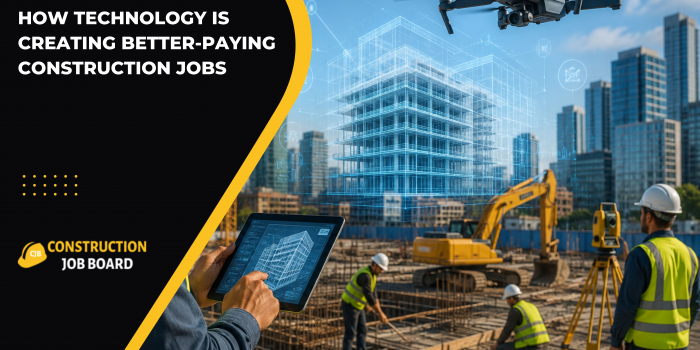
Today's projects involve:
- Building Information Modelling (BIM)
- Digital twins
- Drone surveys
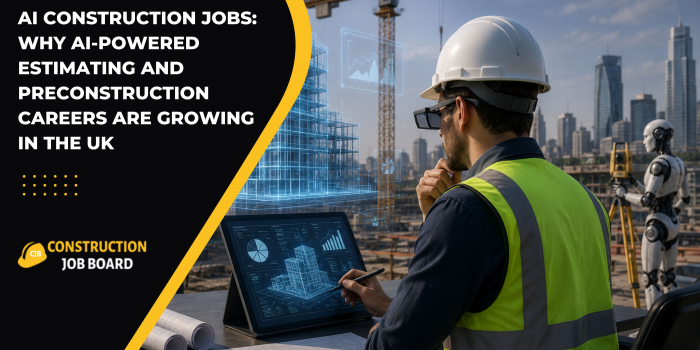
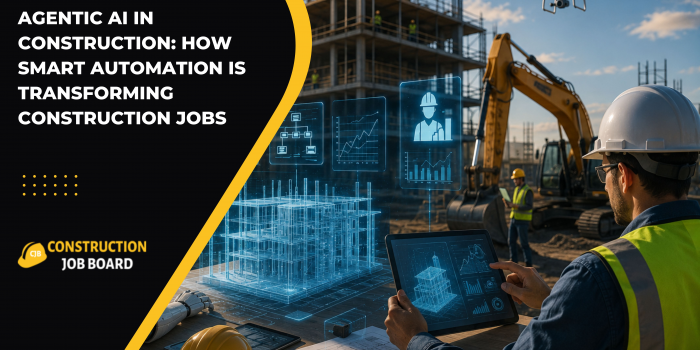
- AI-powered planning tools
- Cloud-based project management platforms
Employers increasingly need workers who can combine construction knowledge with digital expertise.
Labour Shortages
The UK continues to face shortages across multiple construction trades and professional roles.
As experienced workers retire, employers are becoming more focused on practical capabilities rather than simply checking academic credentials.
Sustainability Requirements
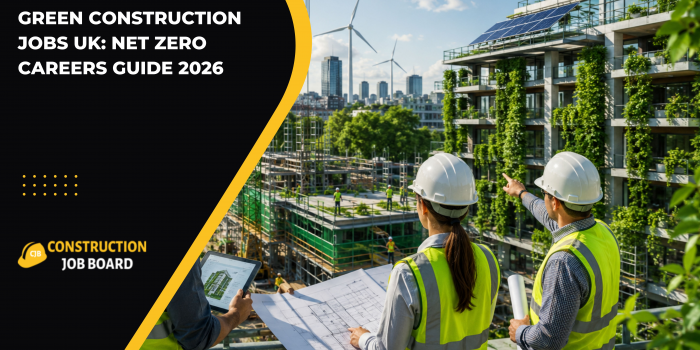
Net-zero targets and green building regulations are creating demand for professionals who understand sustainable construction methods and energy-efficient building practices.
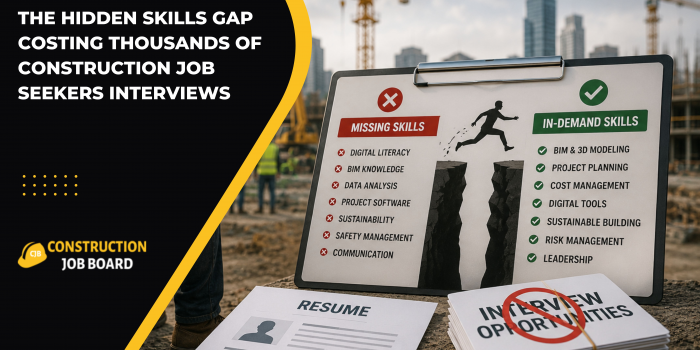
Skill #1: Building Information Modelling (BIM)
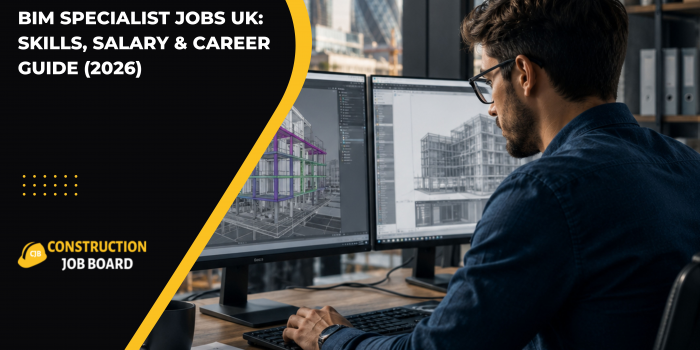
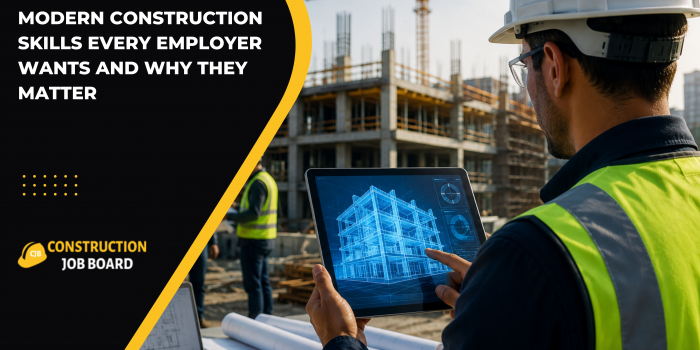
One of the most valuable future construction skills is BIM expertise.
Building Information Modelling enables teams to create digital representations of projects before construction begins.
Professionals with BIM knowledge can:
- Improve project coordination
- Reduce costly mistakes
- Enhance communication between stakeholders
- Improve project efficiency
Many employers already consider BIM proficiency a major advantage when recruiting project managers, engineers, surveyors, and site managers.
By 2030, BIM skills could become as important as computer literacy is today.
Skill #2: Data Interpretation and Digital Project Management
Construction projects generate enormous amounts of data.
Employers increasingly need professionals who can:
- Interpret project data
- Track performance metrics
- Manage schedules digitally
- Monitor budgets in real time
- Identify risks early
Project management software platforms are becoming standard across the industry.
Workers who understand how to use these systems effectively often contribute more value than individuals who rely solely on traditional methods.
Skill #3: Sustainability and Green Construction Knowledge
Environmental regulations are becoming stricter across the UK.
This is creating demand for professionals who understand:
- Sustainable materials
- Energy-efficient construction
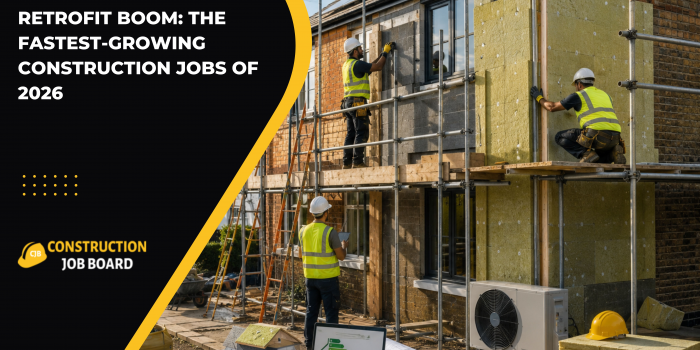
- Retrofit projects
- Low-carbon building methods
- Environmental compliance
Green construction expertise is likely to become one of the most sought-after skills over the next decade.
Professionals who can help companies meet sustainability targets may command premium salaries.
Skill #4: Commercial Awareness
Many construction professionals focus heavily on technical knowledge but overlook commercial understanding.
Employers value individuals who understand:
- Project profitability
- Cost control
- Procurement
- Contract management
- Resource allocation
Commercial awareness helps companies deliver successful projects while maintaining profitability.
This skill is particularly valuable for aspiring site managers, project managers, and quantity surveyors.
Skill #5: Leadership and Team Management
Construction remains a people-driven industry.
No matter how advanced technology becomes, projects still require effective leadership.
Strong leaders can:
- Coordinate teams
- Resolve conflicts
- Maintain productivity
- Ensure safety compliance
- Deliver projects on time
Leadership skills often accelerate career progression faster than technical qualifications alone.
Many senior construction professionals earn high salaries primarily because of their leadership capabilities.
Skill #6: Adaptability and Continuous Learning
The pace of change within construction continues to increase.
Workers who embrace learning often outperform those who rely solely on existing knowledge.
Future employers will favour candidates who demonstrate:
- Curiosity
- Problem-solving ability
- Adaptability
- Willingness to learn new systems
- Openness to innovation
Adaptability may become one of the most valuable career assets in the coming decade.
Skill #7: Communication and Collaboration
Construction projects involve multiple stakeholders.
Professionals regularly interact with:
- Clients
- Contractors
- Architects
- Engineers
- Suppliers
- Local authorities
Strong communication skills improve efficiency and reduce misunderstandings.
Employers consistently rank communication among the most important workplace skills regardless of job title.
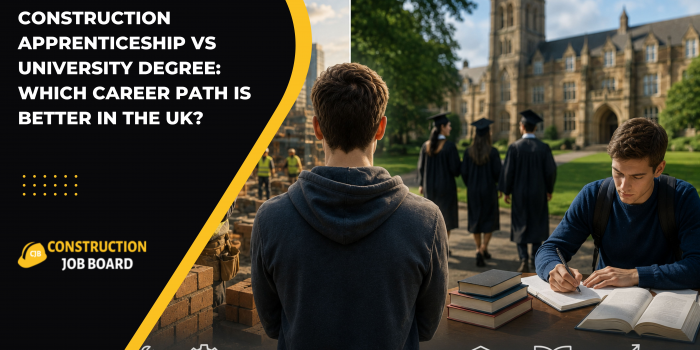
Will Degrees Still Matter?
Yes.
Degrees will continue to play an important role in many construction careers.
However, employers are increasingly looking beyond qualifications alone.
A candidate with:
- Practical experience
- BIM expertise
- Leadership skills
- Sustainability knowledge
- Strong communication abilities
may outperform a candidate who possesses only academic credentials.
The future construction workforce will likely be judged by capability rather than qualifications alone.
How Job Seekers Can Prepare Today
To stay competitive in the future construction market:
Learn Digital Tools
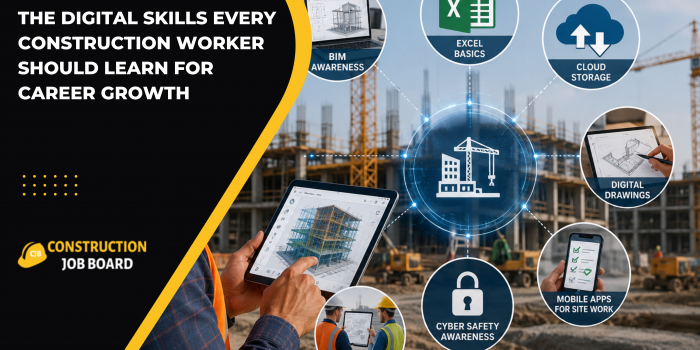
Develop familiarity with BIM software, project management systems, and digital collaboration platforms.
Gain Practical Experience
Real-world project experience remains highly valuable.
Build Leadership Skills
Take opportunities to manage projects, teams, or responsibilities.
Understand Sustainability
Develop knowledge of green building practices and energy-efficient construction methods.
Invest in Continuous Learning
The most successful professionals never stop developing their skills.
Conclusion
The construction industry of 2030 will look very different from today's industry.
While degrees will continue to provide value, practical capabilities, digital expertise, sustainability knowledge, leadership, and adaptability are becoming increasingly important.
Job seekers who focus on developing these future construction skills will be better positioned to secure opportunities, increase earning potential, and thrive in an evolving industry.
The future belongs to professionals who can combine technical knowledge with real-world problem-solving skills.
FAQs
What are the most valuable construction skills for 2030?
BIM expertise, digital project management, sustainability knowledge, leadership, commercial awareness, communication, and adaptability are expected to be among the most valuable construction skills.
Will construction employers still require degrees by 2030?
Many employers will continue to value degrees, but practical skills and experience are expected to become increasingly important.
Why is BIM becoming so important in construction?
BIM improves project coordination, reduces errors, enhances collaboration, and increases efficiency throughout the construction process.
How can construction professionals future-proof their careers?
By developing digital skills, gaining practical experience, learning sustainability practices, and continuously upgrading their knowledge.