10/07/2026
Modern Construction Skills Every Employer Wants and Beyond
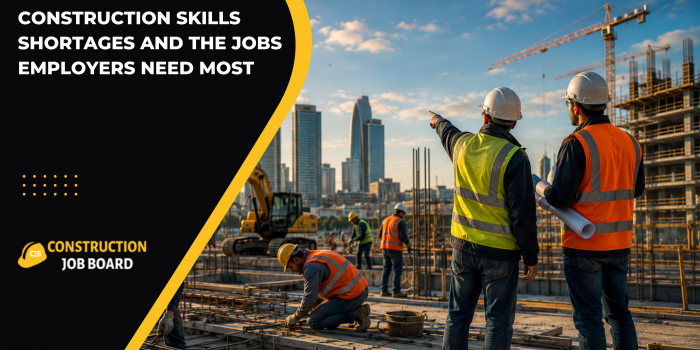
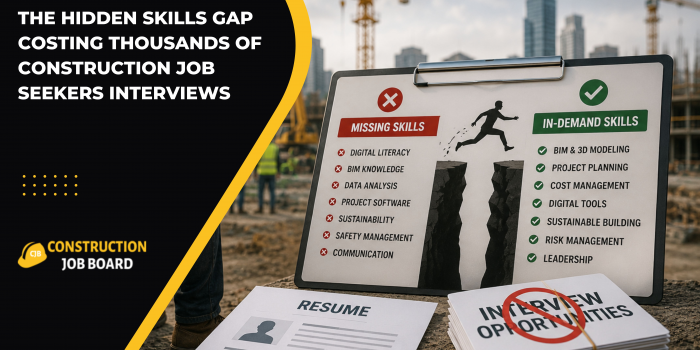
The UK construction industry is changing faster than ever, and Construction Skills UK has become one of the most searched topics among job seekers and employers alike. Traditional trade skills remain valuable, but today's employers increasingly look for candidates who can work with digital technologies, sustainable building practices, and modern project management systems. Whether you're just entering the industry or planning your next career move, developing the right skills can help you secure better opportunities, higher salaries, and long-term career growth.
From major infrastructure developments to residential housing projects and green building initiatives, construction companies are investing heavily in technology and workforce development. Workers who embrace these changes are finding themselves in higher demand than ever before.
Why Construction Skills Are Evolving
Construction has traditionally relied on practical experience and technical trade knowledge. While these remain essential, several industry trends are transforming hiring requirements:
- Digital transformation across construction sites
- Increased use of Building Information Modelling (BIM)
- Sustainable construction regulations
- Growing adoption of AI-powered planning tools
- Labour shortages creating demand for multi-skilled workers
- Increased focus on health and safety compliance
Employers now seek professionals who combine technical expertise with digital competence and strong communication skills.
Building Information Modelling (BIM)
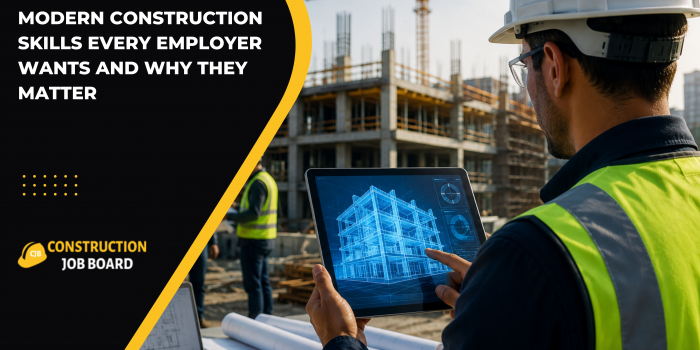
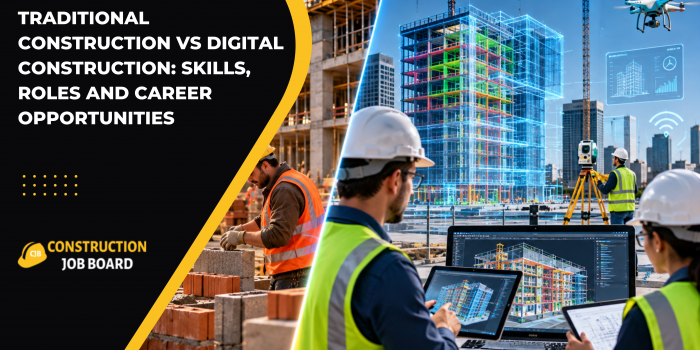
One of the biggest changes in modern construction is the widespread adoption of Building Information Modelling (BIM).
Rather than relying solely on paper drawings, BIM allows architects, engineers, quantity surveyors, and contractors to collaborate using intelligent digital building models.
Workers familiar with BIM software often enjoy:
- Better job opportunities
- Higher salaries
- Faster career progression
- Opportunities on large infrastructure projects
Many employers now list BIM knowledge as either desirable or essential, especially for supervisory and technical positions.
If you're considering technical career progression, learning BIM can significantly strengthen your profile alongside other Construction Skills UK employers value.
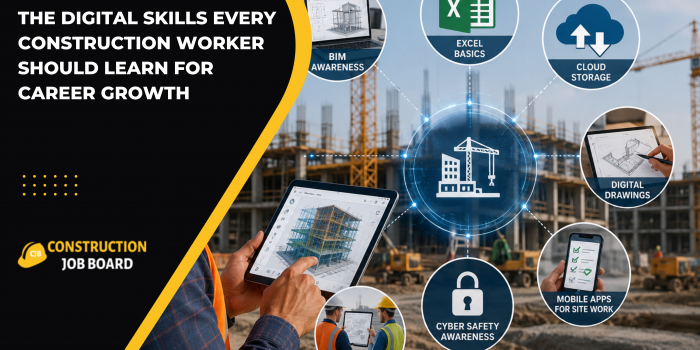
Digital Construction Tools
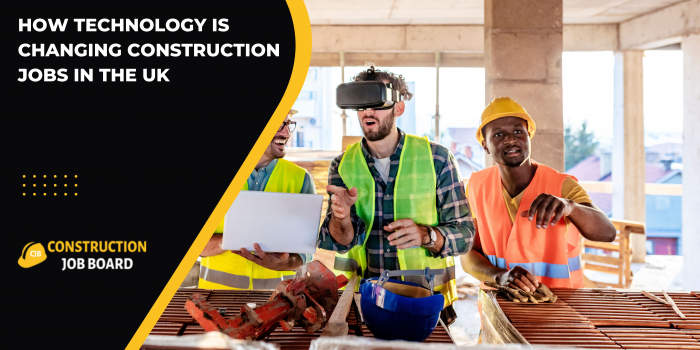
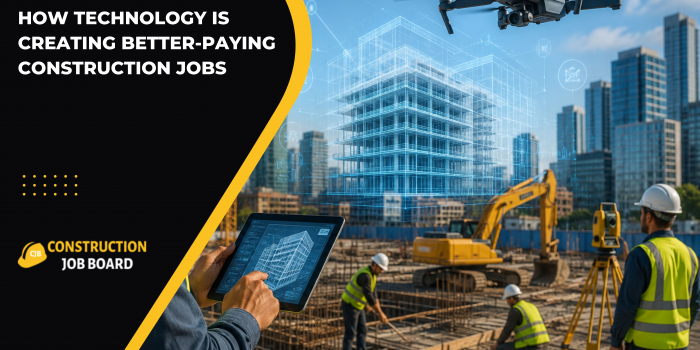
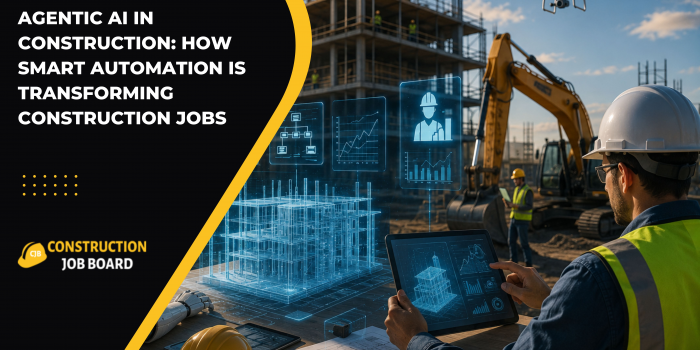
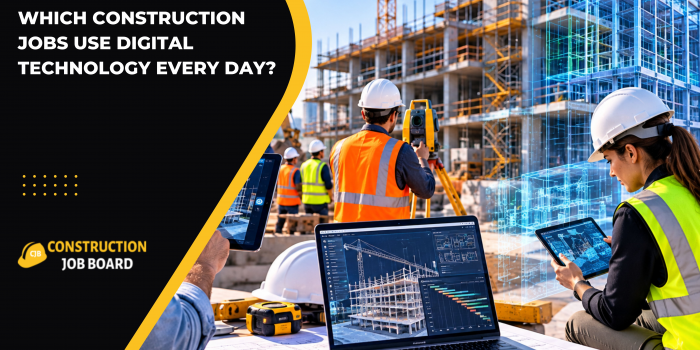
Modern construction sites are becoming increasingly connected through digital technology.
Workers now regularly use:
- Mobile project management apps
- Digital inspection software
- Electronic snagging tools
- Cloud-based document management
- Digital timesheets
- Site reporting applications
Being comfortable using tablets, smartphones, and construction software can make daily tasks easier while improving productivity.
Many employers specifically ask whether candidates have experience using digital construction platforms during interviews.
Data and Technology Awareness
Construction increasingly relies on data-driven decision-making.
Examples include:
- Drone surveys
- Laser scanning
- GPS site mapping
- Digital measurements
- Real-time project dashboards
- Material tracking systems
Workers who understand how technology supports construction projects often become more valuable members of the team.
You don't necessarily need to become an IT expert, but basic digital confidence is becoming essential.
Sustainable Construction Skills
Environmental regulations continue to reshape construction.
Today's projects increasingly focus on:
- Energy efficiency
- Low-carbon materials
- Waste reduction
- Sustainable procurement
- Modern insulation methods
- Renewable energy installations
Construction professionals who understand sustainability can work across a wider range of projects.
Knowledge of green building practices is particularly valuable for:
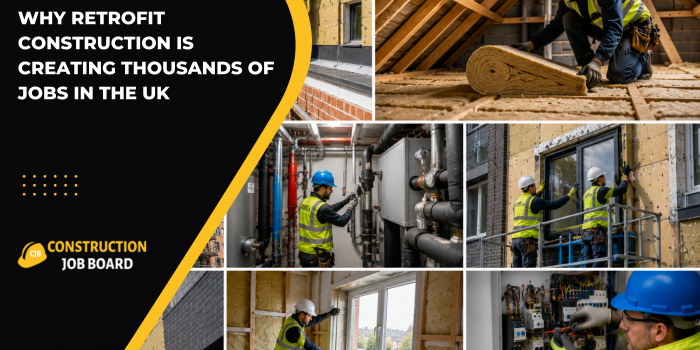
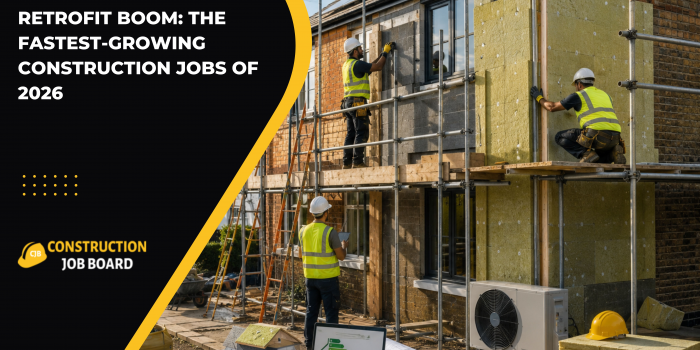
As retrofit programmes continue expanding across the UK, sustainability knowledge is becoming one of the fastest-growing areas of Construction Skills UK.
Communication Skills
Construction has always depended on teamwork.
Modern projects involve collaboration between:
- Architects
- Engineers
- Surveyors
- Contractors
- Clients
- Local authorities
- Suppliers
Strong communication helps reduce costly mistakes and project delays.
Employers increasingly assess:
- Verbal communication
- Written reporting
- Problem-solving discussions
- Client interaction
- Leadership communication
Workers who communicate effectively often progress into supervisory roles more quickly.
Problem-Solving Ability
Every construction project presents unexpected challenges.
Examples include:
- Material shortages
- Design changes
- Weather delays
- Health and safety issues
- Budget constraints
Employers value candidates who can:
- Think logically
- Suggest practical solutions
- Remain calm under pressure
- Adapt quickly
Problem-solving is often more valuable than simply following instructions.
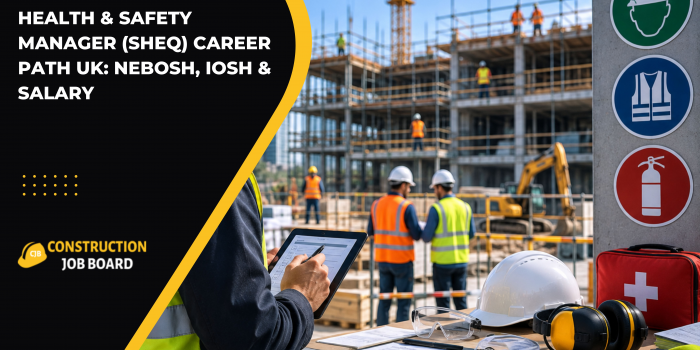
Health and Safety Knowledge
Health and safety remain among the highest priorities in construction.
Modern workers should understand:
- Risk assessments
- Method statements
- PPE requirements
- Working at height regulations
- Manual handling
- Fire safety
- Environmental protection
Additional certifications can significantly improve employability.
Keeping safety knowledge updated demonstrates professionalism and reliability.
Leadership Skills
Leadership is no longer limited to senior managers.
Many employers expect experienced workers to:
- Mentor apprentices
- Coordinate small teams
- Manage subcontractors
- Deliver toolbox talks
- Monitor productivity
Leadership skills become increasingly important when moving into:
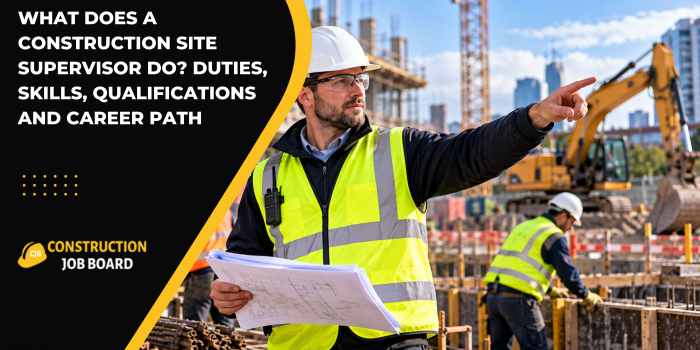
- Site supervisor roles
- Site management
- Project management
- Contracts management
Even basic leadership experience can strengthen your CV.
Adaptability
Technology changes rapidly.
Construction workers who embrace change remain competitive throughout their careers.
Adaptability includes:
- Learning new software
- Using modern equipment
- Accepting new regulations
- Working across multiple project types
- Upskilling through training
Employers often prefer adaptable candidates over those with outdated experience alone.
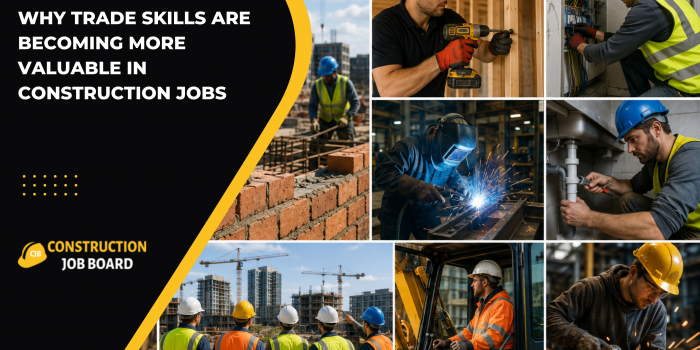
Trade Skills Still Matter
Digital transformation doesn't replace traditional craftsmanship.
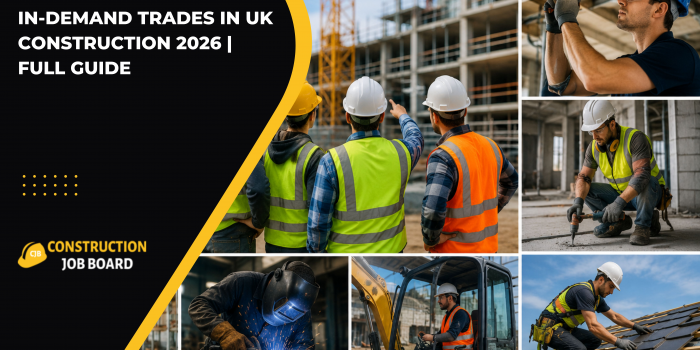
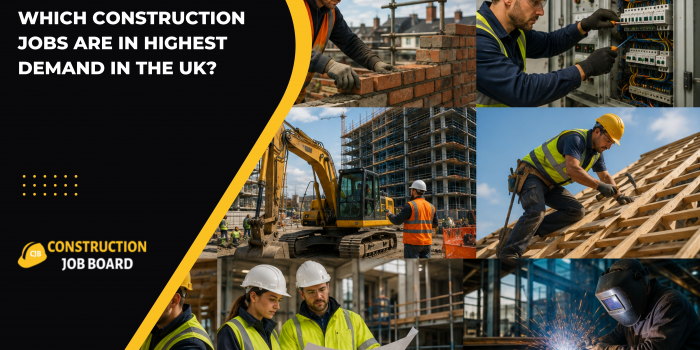
High demand continues for skilled:
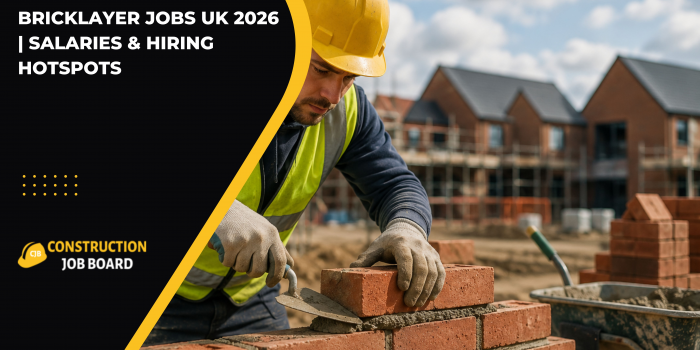
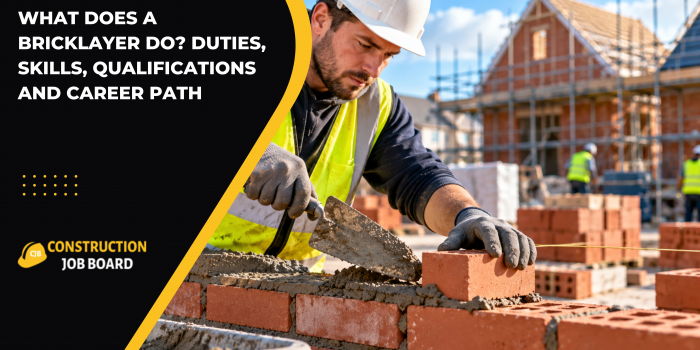
- Bricklayers
- Electricians
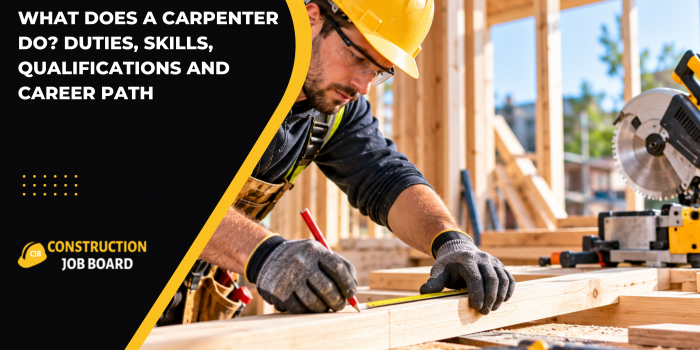
- Carpenters
- Joiners
- Plumbers
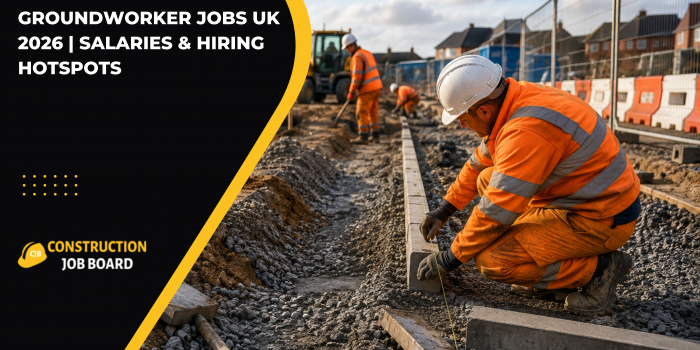
- Groundworkers
- Steel fixers
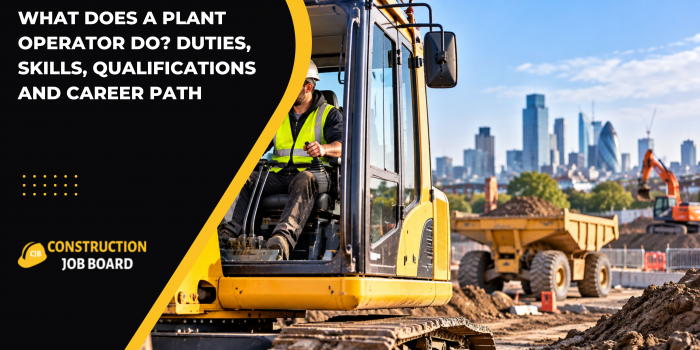
- Plant operators
However, combining trade expertise with digital skills creates a particularly attractive candidate profile.
Project Management Awareness
Even non-managers benefit from understanding project management principles.
Basic knowledge includes:
- Scheduling
- Budget awareness
- Resource planning
- Quality assurance
- Risk management
Workers who understand the bigger picture often make better decisions on site.
Continuous Learning
The construction industry rewards workers who continue developing their skills.
Popular learning options include:
- NVQs
- Professional certifications
- BIM courses
- Health and safety training
- Leadership programmes
- Manufacturer training
- Online learning platforms
Employers increasingly favour candidates who demonstrate commitment to ongoing professional development.
If you're planning your next career move, our guide on Construction Apprenticeships UK explains how structured training can build long-term career success.
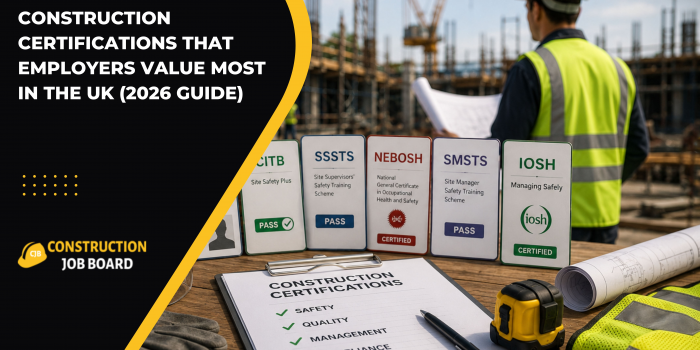
You may also find our article on Construction Certifications That Employers Value Most useful for identifying qualifications that can strengthen your CV and improve job prospects.
Employers Want Well-Rounded Professionals
Modern construction employers aren't simply looking for workers who can complete tasks.
They're looking for professionals who can:
- Solve problems
- Work safely
- Use technology
- Communicate effectively
- Learn continuously
- Support sustainability goals
- Collaborate across teams
Candidates with this balanced skill set often receive more interview invitations and enjoy stronger long-term career prospects.
Future-Proof Your Construction Career
Construction will continue evolving as technology, sustainability, and digital collaboration become increasingly important.
The good news is that many of these skills can be learned gradually through workplace experience, online training, apprenticeships, and professional development.
By investing in both traditional trade expertise and modern digital capabilities, you'll position yourself as a highly valuable professional in today's competitive construction job market.
The strongest candidates are those who combine practical experience with adaptability, communication, and a willingness to embrace new ways of working. Building these capabilities now will help ensure your career remains resilient and rewarding for years to come.
People Also Ask
What skills do construction employers look for today?
Employers value a mix of technical trade expertise, digital construction skills, BIM knowledge, health and safety awareness, communication, teamwork, and problem-solving abilities.
Is BIM an important skill for construction jobs?
Yes. BIM is widely used across UK construction projects and is increasingly listed as a required or preferred skill for many technical and management roles.
How can I improve my construction skills?
You can improve your skills by completing NVQs, earning industry certifications, learning BIM software, attending health and safety training, and gaining experience with digital construction tools.
Are digital skills important in construction?
Absolutely. Many employers expect workers to use tablets, project management software, digital inspection tools, and cloud-based documentation systems.
Which construction skills are most future-proof?
Skills in BIM, sustainable construction, project management, digital collaboration, leadership, and advanced health and safety practices are expected to remain in high demand.
FAQs
1. What are the most in-demand construction skills in the UK?
BIM, digital construction tools, sustainability knowledge, communication, leadership, and health and safety expertise are among the most sought-after skills.
2. Do I need digital skills to work in construction?
While not every role requires advanced digital knowledge, basic digital literacy is becoming increasingly important across the industry.
3. Are traditional trade skills still valuable?
Yes. Skilled trades remain in high demand, especially when combined with modern technology skills.
4. What qualifications can improve my construction career?
NVQs, CSCS cards, SMSTS, SSSTS, BIM certifications, and trade-specific qualifications can improve employability.
5. Why are employers investing in modern construction skills?
Modern skills improve productivity, reduce errors, enhance safety, support sustainability goals, and help businesses deliver projects more efficiently.