18/09/2026
How are Site Manager Jobs changing on modern construction projects?
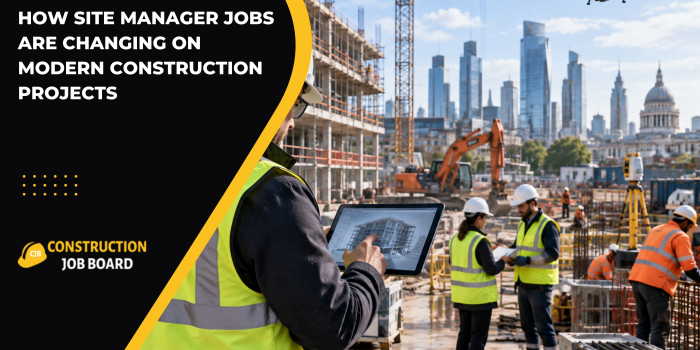
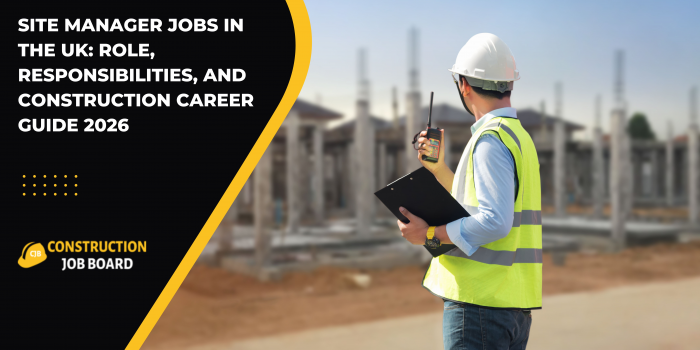
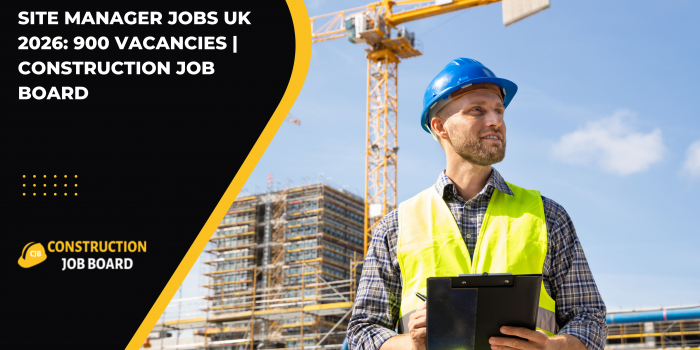
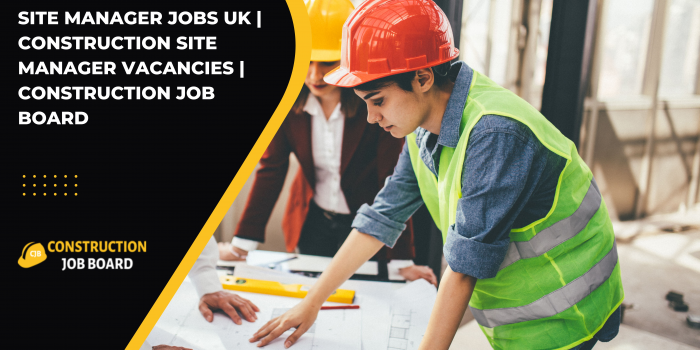
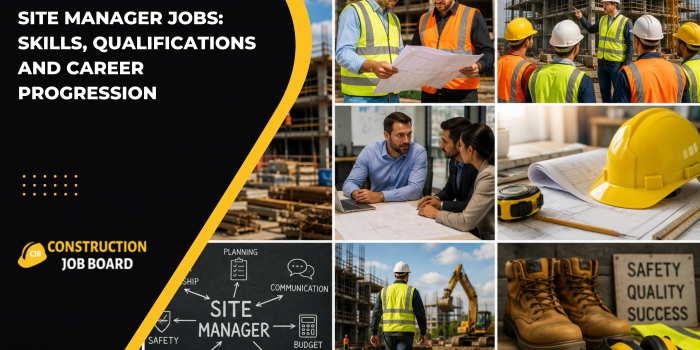
Site Manager Jobs are becoming broader as construction projects become more complex, digitally connected and closely monitored. Site managers still have responsibility for coordinating construction activities and maintaining safe, productive sites, but their role increasingly involves digital reporting, programme monitoring, quality control, workforce coordination and communication across multiple project teams.
The fundamental requirement has not changed: site managers need to make sure work is delivered properly and safely. However, the information they need to manage and the number of stakeholders involved can be significantly greater than in the past.
For professionals considering Site Manager Careers UK, understanding these changes can help identify the skills employers increasingly value.
What does a modern site manager need to manage?
A site manager can be responsible for coordinating many activities simultaneously.
These may include:
- Subcontractor activities
- Labour requirements
- Materials
- Plant and equipment
- Site logistics
- Construction programmes
- Quality
- Health and safety
- Documentation
- Progress reporting
- Client and contractor communication
The challenge is that these areas are interconnected.
A delay in materials can affect the programme. A programme change can affect labour requirements. A design change can affect procurement and subcontractor activities.
Modern site management therefore requires an ability to see how individual decisions affect the wider project.
Why is programme management important for Site Manager Jobs?
Construction programmes provide a framework for coordinating activities on site.
Site managers may work with planners and project managers to monitor progress and identify activities that could affect completion.
They may need to understand:
- Work sequencing
- Short-term programmes
- Labour requirements
- Material availability
- Subcontractor programmes
- Key milestones
- Delays
- Dependencies
A strong site manager does not simply follow a programme.
They also need to recognise when actual site progress is moving away from the planned sequence and communicate potential problems early.
How is digital technology affecting site management?
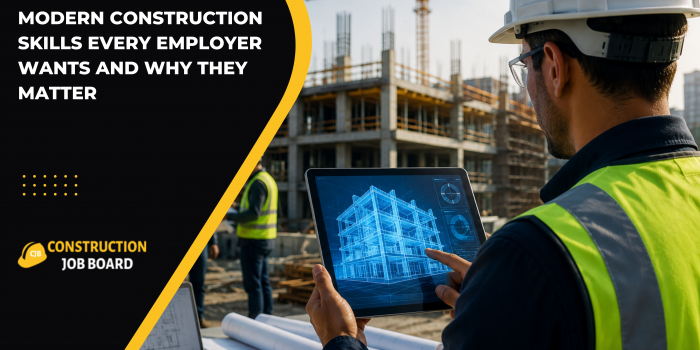
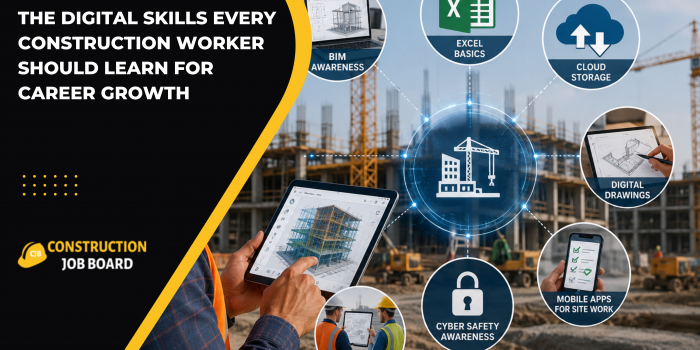
Digital tools are increasingly becoming part of everyday construction site management.
Depending on the project, site managers may use digital systems for:
- Site reports
- Inspections
- Defect records
- Progress updates
- Document management
- Drawings
- Workforce information
- Safety records
- Project communication
Mobile devices can allow information to be recorded directly from the site rather than relying entirely on paper-based processes.
This can improve the speed at which information is shared with project teams.
However, digital tools do not replace management judgement. Site managers still need to interpret information and decide what action is appropriate.
Why are communication skills so important?
Site managers work with people across different parts of a construction project.
They may communicate with:
- Tradespeople
- Subcontractors
- Project managers
- Quantity surveyors
- Architects
- Engineers
- Clients
- Suppliers
- Health and safety professionals
Each group may have different priorities.
A site manager therefore needs to communicate clearly while also listening to concerns from the people carrying out the work.
Good communication can help with:
- Coordinating activities
- Resolving misunderstandings
- Managing expectations
- Addressing delays
- Explaining changes
- Escalating problems
- Maintaining productive relationships
This is particularly important when multiple subcontractors are working on the same project.
How important is health and safety for site managers?
Health and safety remains one of the most important responsibilities associated with site management.
Site managers need to understand the project's safety arrangements and ensure that work is carried out in accordance with applicable requirements and established procedures.
Responsibilities may include:
- Site inspections
- Safety briefings
- Toolbox talks
- Monitoring working practices
- Identifying hazards
- Coordinating safe access
- Supporting risk controls
- Recording incidents and issues
Employers may look for evidence that candidates have actively contributed to maintaining safe sites rather than simply listing "health and safety" as a CV skill.
Why is quality management becoming more important?
Construction quality can affect programme, cost, client satisfaction and long-term building performance.
Site managers may therefore be involved in checking that work is completed according to drawings, specifications and project requirements.
Quality management can involve:
- Inspections
- Snagging
- Defect identification
- Testing
- Workmanship checks
- Documentation
- Coordination with consultants
- Corrective actions
A site manager needs to identify problems early wherever possible.
Addressing a quality issue while work is still underway can often be more practical than discovering it after another construction stage has already been completed.
Do modern site managers need commercial awareness?
Site managers may not have the same commercial responsibilities as quantity surveyors, but commercial awareness can still be useful.
Decisions about labour, materials, plant and work sequencing can all have cost implications.
A site manager who understands this relationship can make more informed operational decisions and communicate potential commercial impacts to the appropriate project team members.
For example, inefficient sequencing could lead to additional labour or plant requirements.
Recognising these issues early can help the wider project team respond appropriately.
How is sustainability affecting site management?
Sustainability is becoming increasingly relevant across construction projects.
Site managers can encounter requirements relating to:
- Waste reduction
- Recycling
- Material management
- Energy use
- Water use
- Sustainable materials
- Site environmental controls
- Efficient resource use
The exact responsibilities depend on the project.
However, site managers may increasingly need to understand how environmental requirements affect day-to-day construction activities.
This adds another layer to the role beyond traditional programme and workforce management.
What skills do employers look for in Site Manager Jobs?
Employers can look for a combination of practical construction experience and management capability.
Important skills can include:
Construction knowledge: Understanding construction methods, sequencing and site operations.
Leadership: Coordinating teams and subcontractors effectively.
Planning: Managing short-term activities and supporting programme delivery.
Communication: Working with different project stakeholders.
Safety awareness: Maintaining appropriate site safety standards.
Quality control: Identifying and addressing construction issues.
Problem-solving: Responding to unexpected site conditions.
Digital confidence: Using project and site-management systems.
Organisation: Managing multiple priorities and documentation.
Commercial awareness: Understanding how site decisions can affect project costs.
How can candidates strengthen their Site Manager CV?
A Site Manager CV should demonstrate responsibility and project experience rather than simply listing generic skills.
Candidates can highlight:
- Project types
- Construction stages managed
- Number of subcontractors
- Workforce responsibilities
- Programme involvement
- Health and safety responsibilities
- Quality management
- Site logistics
- Digital systems used
- Complex site issues resolved
Where appropriate, candidates can also describe the scale and complexity of projects.
For example, instead of writing:
Managed construction sites and subcontractors.
A stronger description could be:
Coordinated multiple subcontractor packages, monitored short-term programme activities and managed site logistics across a multi-phase construction project.
This gives employers more useful information about actual experience.
What experience can help someone progress as a site manager?
Progression often comes from taking responsibility for increasingly complex projects.
Professionals can develop by gaining experience in areas such as:
- Larger sites
- Multiple subcontractor packages
- Complex construction methods
- Programme management
- Quality management
- Client communication
- Site logistics
- Team leadership
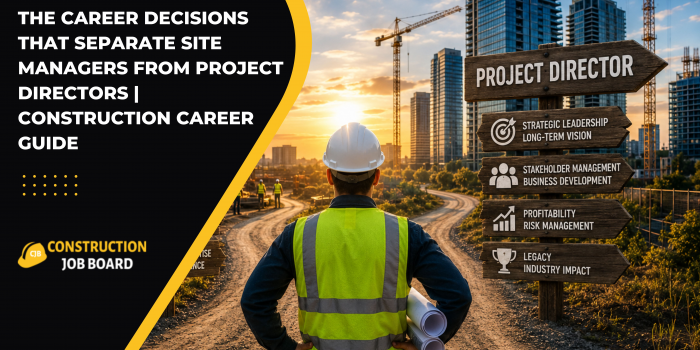
Developing strong communication and leadership skills alongside technical construction knowledge can also prepare professionals for broader management responsibilities.
Those looking to expand their career options may also consider Construction Manager Jobs or Project Manager Jobs as potential future directions.
What does the future look like for Site Manager Jobs?
The fundamental role of the site manager is unlikely to disappear.
Buildings still need to be constructed, teams still need coordination and site activities still need to be managed safely and efficiently.
What is changing is the amount and type of information site managers must handle.
Digital reporting, more complex project requirements, sustainability expectations and increasingly connected project teams are making site management more information-driven.
For professionals pursuing Site Manager Jobs, the strongest long-term skill set may therefore combine practical construction experience with leadership, digital confidence, programme awareness, quality management and effective communication.
FAQs About Site Manager Jobs
1. What skills are important for Site Manager Jobs?
Important skills include construction knowledge, leadership, programme management, communication, health and safety awareness, quality control, problem-solving and organisation.
2. Are digital skills important for site managers?
Yes. Digital reporting, document management, inspection systems, drawings and project communication platforms are increasingly used on construction projects.
3. What are the main responsibilities of a site manager?
Responsibilities can include coordinating subcontractors, managing site activities, monitoring progress, supporting safety, checking quality, managing site logistics and communicating with project teams.
4. Does a site manager need commercial awareness?
Commercial awareness can be valuable because decisions involving labour, materials, plant and sequencing can affect project costs and overall performance.
5. How can someone progress as a site manager?
Professionals can progress by gaining experience on larger or more complex projects and developing leadership, programme, quality, commercial and stakeholder-management skills.
6. Can Site Manager Jobs lead to construction management roles?
Yes. Depending on experience and employer structure, site management experience can provide a foundation for progression into broader construction management and project management positions.