29/09/2026
Retrofit Coordinator vs Sustainability Manager: Skills, Responsibilities and Career Paths
Retrofit Coordinator vs Sustainability Manager is an increasingly relevant comparison for construction professionals interested in energy efficiency, building performance and sustainable construction. Both roles contribute to improving the environmental performance of buildings and projects, but their responsibilities are different. A Retrofit Coordinator focuses specifically on planning and coordinating retrofit work, while a Sustainability Manager usually has a broader responsibility for environmental performance, sustainability targets and sustainable practices across construction projects or organisations.
As the UK construction sector continues to focus on improving existing buildings, reducing energy consumption and developing lower-carbon approaches, professionals with knowledge of retrofit, sustainability, building performance and environmental management are becoming increasingly relevant to construction employers.
Direct Answer: What Is the Difference Between a Retrofit Coordinator and a Sustainability Manager?
A Retrofit Coordinator is primarily responsible for coordinating retrofit projects and helping ensure that improvement measures are properly assessed, designed, sequenced and delivered.
A Sustainability Manager has a broader role that can include environmental strategy, carbon reduction, sustainable materials, energy performance, waste management, environmental reporting and sustainability targets.
In simple terms, a Retrofit Coordinator focuses on improving existing buildings through coordinated retrofit work, while a Sustainability Manager focuses on wider environmental and sustainability objectives.
The exact responsibilities vary depending on the employer, project type and level of seniority.
What Does a Retrofit Coordinator Do?
A Retrofit Coordinator helps coordinate the process of improving the energy efficiency and performance of existing buildings.
Typical responsibilities can include:
- Assessing retrofit requirements
- Coordinating retrofit assessments
- Supporting retrofit design
- Coordinating designers and contractors
- Reviewing project information
- Identifying potential risks
- Supporting project planning
- Coordinating different retrofit measures
- Monitoring project progress
- Supporting quality assurance
- Communicating with homeowners, clients and project teams
- Maintaining project documentation
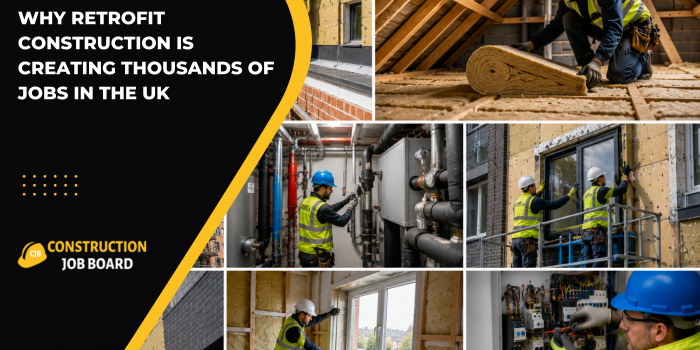
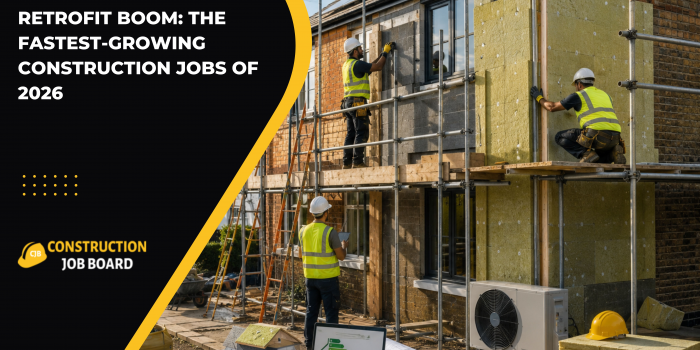
Retrofit projects can involve measures such as insulation, ventilation improvements, heating systems, windows, airtightness improvements and renewable technologies.
Because multiple building elements can interact, coordination is particularly important. Improving one element without considering the wider building can create unintended performance or moisture-related issues.
What Does a Sustainability Manager Do?
A Sustainability Manager normally has a wider remit than a role focused specifically on retrofit.
Depending on the organisation, responsibilities may include:
- Developing sustainability strategies
- Monitoring environmental performance
- Supporting carbon-reduction programmes
- Improving resource efficiency
- Managing sustainability reporting
- Supporting sustainable procurement
- Monitoring waste
- Assessing environmental impacts
- Supporting environmental compliance
- Working with design and construction teams
- Developing sustainability targets
- Communicating sustainability performance to stakeholders
A Sustainability Manager may work across multiple construction projects rather than being responsible for a single retrofit programme.
Retrofit Coordinator vs Sustainability Manager: Key Differences
|
Area
|
Retrofit Coordinator
|
Sustainability Manager
|
|
Primary focus
|
Retrofit delivery and coordination
|
Wider sustainability and environmental performance
|
|
Typical project
|
Existing building improvements
|
Construction projects, portfolios or organisations
|
|
Energy efficiency
|
Central responsibility
|
Often part of broader sustainability strategy
|
|
Building performance
|
Strong focus
|
Relevant depending on role
|
|
Carbon reduction
|
Project-specific
|
Often strategic and organisation-wide
|
|
Contractors
|
Coordinates retrofit teams
|
May work with contractors and supply chains
|
|
Sustainability reporting
|
May contribute
|
Often a significant responsibility
|
|
Technical knowledge
|
Retrofit and building performance
|
Sustainability, environment and construction
|
|
Project scope
|
Usually retrofit-focused
|
Often broader
|
|
Stakeholders
|
Clients, assessors, designers and installers
|
Clients, project teams, suppliers, management and external stakeholders
|
The two roles can overlap, particularly on projects where retrofit, energy efficiency and carbon reduction are closely connected.
What Skills Does a Retrofit Coordinator Need?
Retrofit coordination requires a combination of construction knowledge, building-performance awareness, project coordination and communication.
Important skills can include:
Building Performance Knowledge
Understanding how buildings perform is important when planning retrofit measures.
A coordinator may need to understand insulation, ventilation, heating, moisture, airtightness and other building-performance considerations.
Project Coordination
Retrofit projects often involve multiple specialists. Coordinating information between assessors, designers, contractors and clients is therefore important.
Risk Awareness
Retrofit work can involve risks associated with existing building conditions, materials, moisture, ventilation and interactions between different improvement measures.
Communication
Retrofit coordinators may communicate with clients, homeowners, contractors, designers and other professionals.
Technical Understanding
Knowledge of construction methods and building fabric can help professionals understand how retrofit measures interact with existing structures.
What Skills Does a Sustainability Manager Need?
Sustainability Managers generally require a broader combination of environmental, analytical, construction and communication skills.
These can include:
- Carbon management
- Environmental reporting
- Sustainability strategy
- Data analysis
- Sustainable procurement
- Waste management
- Resource efficiency
- Environmental legislation awareness
- Construction knowledge
- Project management
- Stakeholder management
- Communication
The exact skill requirements depend on whether the position is focused on a construction project, contractor, consultancy, developer or wider organisation.
Are Retrofit and Sustainability Jobs Becoming More Digital?
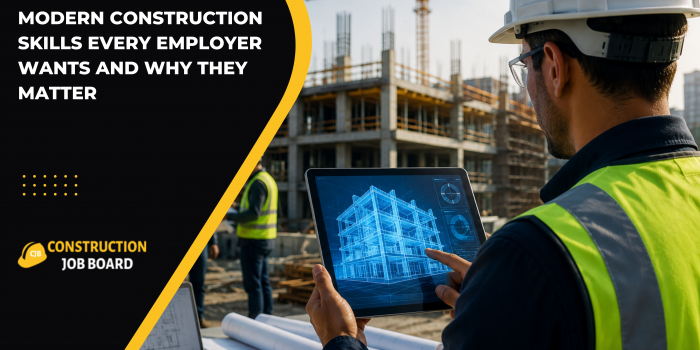
Yes. Digital tools are increasingly being used to support construction planning, building assessment, energy analysis and project management.
Retrofit professionals may work with digital building information, assessment tools, project-management systems and building-performance data.
Sustainability professionals may also use data to monitor:
- Energy consumption
- Carbon emissions
- Waste
- Material use
- Project performance
- Environmental targets
The growing use of digital information means that construction professionals working in sustainability-related roles can benefit from data literacy and familiarity with digital project systems.
What Qualifications Can Help With Retrofit Careers?
The qualifications required for retrofit-related positions vary according to the specific role and employer.
Relevant backgrounds can include:
- Construction
- Building surveying
- Building services
- Energy assessment
- Architecture
- Engineering
- Construction management
Specific retrofit training and recognised professional development can also be relevant.
For roles involving formal retrofit coordination responsibilities, candidates should check the qualifications and competency requirements specified by the employer and applicable industry frameworks.
What Qualifications Can Help With Sustainability Careers?
Sustainability Managers can come from several professional backgrounds.
Relevant areas may include:
- Environmental management
- Sustainability
- Construction
- Engineering
- Architecture
- Building surveying
- Energy
- Construction management
Professional development in carbon management, environmental management, sustainable construction and related subjects can also support career progression.
The requirements differ considerably between entry-level sustainability positions and senior management roles.
Retrofit Coordinator vs Sustainability Manager: Where Do They Work?
Retrofit Coordinators may work with:
- Retrofit contractors
- Housing organisations
- Local authorities
- Energy-efficiency programmes
- Building consultants
- Construction companies
- Specialist retrofit organisations
Sustainability Managers may work for:
- Main contractors
- Property developers
- Construction consultancies
- Engineering organisations
- Housing providers
- Infrastructure companies
- Facilities organisations
- Public-sector organisations
The working environment therefore depends heavily on the organisation and project type.
Which Role Has a Stronger Building Focus?
A Retrofit Coordinator generally has the more direct building-performance focus.
The role is closely connected to existing buildings and the practical coordination of measures designed to improve their performance.
A Sustainability Manager may work with buildings but can also have responsibilities covering procurement, waste, carbon, materials, reporting and organisational sustainability.
For someone interested specifically in how buildings can be improved, retrofit coordination may provide a more specialised career direction.
Which Role Has a Broader Sustainability Focus?
Sustainability management normally has the broader sustainability scope.
A Sustainability Manager may work across several environmental areas rather than focusing on one type of project.
For example, their responsibilities could cover carbon reduction, sustainable materials, waste, energy, environmental reporting and supply-chain performance.
Retrofit can form part of that wider sustainability strategy, but it is not the entire scope of sustainability management.
Can a Retrofit Coordinator Move Into Sustainability Management?
Potentially, yes.
Retrofit experience can provide useful knowledge of:
- Building performance
- Energy efficiency
- Construction processes
- Carbon reduction
- Project coordination
- Building materials
- Contractor management
Professionals who add broader experience in sustainability strategy, environmental reporting, carbon management and stakeholder management may be able to move into wider sustainability positions.
The specific route depends on the employer and the candidate's qualifications and experience.
Can a Sustainability Professional Move Into Retrofit?
A sustainability professional may also transition into retrofit-related work, but additional technical knowledge may be required.
Retrofit involves detailed consideration of existing buildings, construction methods and building performance.
Experience in sustainability provides a useful foundation, but professionals may need additional training or practical experience in retrofit assessment, design and delivery.
Why Are Retrofit Skills Relevant to Construction Careers?
A significant proportion of the UK's building stock already exists, which means improving existing properties is an important part of the construction and energy-efficiency landscape.
Retrofit work can involve multiple construction disciplines, including:
- Insulation
- Roofing
- Heating
- Plumbing
- Ventilation
- Electrical systems
- Windows and doors
- Building surveying
- Project management
- Energy assessment
This creates opportunities for professionals and skilled workers across different parts of the construction industry.
Why Are Sustainability Skills Relevant Across Construction?
Sustainability is no longer limited to specialist environmental positions.
Construction professionals across design, project management, surveying, procurement and site operations may encounter sustainability requirements.
For example, project teams may need to consider:
- Material selection
- Waste reduction
- Energy use
- Carbon
- Construction methods
- Environmental impacts
- Building performance
- Supply-chain practices
This means sustainability knowledge can complement existing construction expertise.
How Should Candidates Show Retrofit or Sustainability Skills on a CV?
Candidates should avoid simply listing terms such as "sustainability" or "retrofit" without explaining their practical experience.
A retrofit candidate could highlight:
- Building assessments
- Energy-efficiency projects
- Retrofit coordination
- Contractor coordination
- Building fabric knowledge
- Project documentation
- Quality assurance
A sustainability candidate could highlight:
- Carbon reporting
- Sustainability targets
- Environmental management
- Waste reduction
- Sustainable procurement
- Energy monitoring
- Environmental reporting
Where possible, candidates can describe the project, their responsibility and the outcome rather than simply listing duties.
Key Takeaways
- Retrofit Coordinators focus primarily on coordinating retrofit projects and improving existing building performance.
- Sustainability Managers generally have a broader environmental and sustainability remit.
- Retrofit requires strong knowledge of buildings, construction and project coordination.
- Sustainability management can involve carbon, energy, materials, waste, procurement and environmental reporting.
- Digital skills and data analysis are increasingly relevant to both areas.
- Construction professionals can move between retrofit and wider sustainability careers by developing complementary skills.
- The qualifications required vary by employer, project and seniority.
- Retrofit and sustainability knowledge can complement many construction career paths.
Frequently Asked Questions
1. What is the difference between a Retrofit Coordinator and a Sustainability Manager?
A Retrofit Coordinator focuses on coordinating retrofit projects and improving existing building performance, while a Sustainability Manager usually has broader responsibility for environmental performance, carbon reduction, sustainable construction and organisational sustainability.
2. What does a Retrofit Coordinator do?
A Retrofit Coordinator helps coordinate retrofit assessments, design, contractors, project information, quality and delivery to support improvements to existing buildings.
3. What does a Sustainability Manager do in construction?
A Sustainability Manager may develop sustainability strategies, monitor carbon and environmental performance, support sustainable procurement, manage reporting and work with construction teams to achieve environmental objectives.
4. Can a construction professional become a Retrofit Coordinator?
Yes. Professionals with backgrounds in construction, surveying, engineering, building services or related areas may move into retrofit coordination, subject to the qualifications and competency requirements of the specific role.
5. Are sustainability skills useful for construction jobs?
Yes. Sustainability-related knowledge can be relevant across construction roles because projects increasingly consider carbon, energy, materials, waste, building performance and environmental impacts.
Conclusion
Retrofit Coordinator and Sustainability Manager are related but distinct construction career paths.
Retrofit Coordinators concentrate on the practical coordination of measures that improve existing buildings, requiring knowledge of building performance, construction and project delivery. Sustainability Managers normally operate across a broader range of environmental and sustainability issues, which can include carbon, energy, materials, waste, procurement and reporting.
Both roles can benefit from construction knowledge, digital skills, communication and project coordination abilities. As construction professionals increasingly work with building-performance data, energy-efficiency measures and sustainability objectives, these skills can complement traditional construction expertise.
For candidates considering either pathway, the most relevant route depends on the type of work they want to undertake, the qualifications required by employers and the level of technical or strategic responsibility they want to develop.