27/07/2026
AI-Powered Estimating and Preconstruction Jobs: The Next Big Career Opportunity
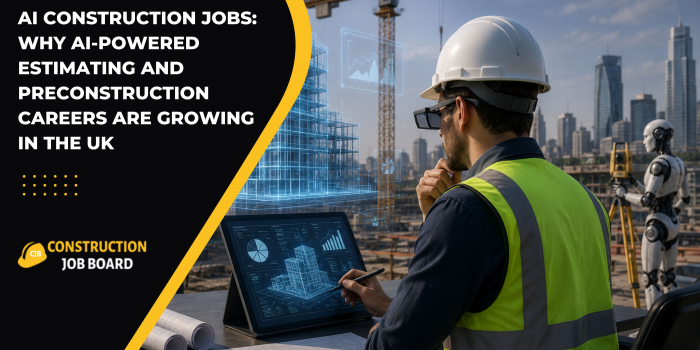
AI Construction Jobs are becoming some of the fastest-growing career opportunities in the UK construction industry. As contractors, developers, and engineering firms adopt artificial intelligence to improve project planning, cost estimation, and risk analysis, professionals with digital construction skills are increasingly in demand. AI is not replacing estimators or preconstruction specialists—it is helping them make faster, more accurate decisions while reducing costly errors.
For professionals looking to build a future-proof career, understanding AI-powered estimating and preconstruction is becoming just as important as traditional technical knowledge.
Why AI Is Transforming Preconstruction
Preconstruction is one of the most important stages of any construction project. Decisions made before work begins influence budgets, timelines, material procurement, labour planning, and project profitability.
Traditionally, estimators spent days or even weeks reviewing drawings, measuring quantities, comparing supplier prices, and preparing cost reports.
Today, AI helps automate many of these repetitive tasks by:
- Analysing project drawings
- Detecting design inconsistencies
- Predicting project costs
- Forecasting labour requirements
- Identifying construction risks
- Comparing historical project data
This allows estimating teams to focus on strategic planning instead of manual calculations.
What Are AI Construction Jobs?
AI construction jobs combine traditional construction knowledge with modern digital technologies.
These roles involve using AI-powered software to improve project planning, estimating, scheduling, and decision-making.
Common responsibilities include:
- Reviewing digital drawings
- Producing accurate cost estimates
- Analysing project data
- Supporting BIM workflows
- Forecasting project risks
- Monitoring project performance
- Improving procurement strategies
Rather than eliminating jobs, AI is creating opportunities for professionals who understand both construction and technology.
Why Demand Is Growing Across the UK
Several factors are driving demand for AI-enabled construction professionals.
Large Infrastructure Projects
The UK continues investing in:
- Transport infrastructure
- Renewable energy
- Housing developments
- Healthcare facilities
- Commercial construction
- Industrial projects
These projects require accurate planning and cost management.
Rising Material Costs
Material prices fluctuate regularly.
AI helps estimators analyse market trends and prepare more realistic project budgets.
Companies that estimate accurately are more competitive when bidding for contracts.
Labour Shortages
The construction industry continues experiencing skills shortages.
AI assists companies by forecasting workforce requirements before projects begin.
This helps employers recruit earlier and reduce delays.
Digital Transformation
Construction companies increasingly invest in:
- BIM
- Digital Twins
- Cloud collaboration
- Robotics
- Drone surveying
- AI-powered estimating software
As digital adoption grows, employers need professionals who understand these technologies.
AI Tools Used in Modern Estimating
Today's estimators use software that combines traditional estimating with machine learning and automation.
Popular technologies include:
|
Technology
|
Purpose
|
|
BIM Software
|
Digital building models
|
|
AI Quantity Takeoff
|
Automatic measurements
|
|
Predictive Analytics
|
Forecast project costs
|
|
Machine Learning
|
Improve estimate accuracy
|
|
Cloud Collaboration
|
Team communication
|
|
Risk Analysis Software
|
Identify project risks
|
|
Digital Procurement Tools
|
Supplier comparisons
|
These technologies reduce manual work while improving estimate quality.
Career Opportunities in AI Construction
Professionals with AI and digital construction knowledge can pursue various careers.
Construction Estimator
Uses AI-assisted software to prepare project cost estimates faster and more accurately.
Preconstruction Manager
Coordinates planning, budgeting, scheduling, procurement, and risk management before projects begin.
Quantity Surveyor
Combines commercial knowledge with AI-powered estimating platforms to improve cost management.
BIM Coordinator
Manages digital building information while supporting collaboration between project teams.
Digital Construction Manager
Leads technology adoption across construction projects.
Project Controls Engineer
Uses AI and analytics to monitor budgets, schedules, and project performance.
Skills Employers Want
Technical knowledge remains essential, but employers increasingly seek digital skills alongside traditional experience.
Highly valued skills include:
- Cost Estimating
- Quantity Surveying
- BIM
- AutoCAD
- Revit
- Microsoft Project
- Primavera P6
- Data Analysis
- Excel
- Risk Management
- Procurement
- Construction Planning
- AI-powered estimating platforms
Candidates with both commercial and digital expertise often stand out.
Soft Skills Still Matter
AI cannot replace human judgement.
Employers continue prioritising professionals who demonstrate:
- Communication
- Negotiation
- Leadership
- Commercial awareness
- Problem-solving
- Client relationship management
- Team collaboration
Technology supports these skills rather than replacing them.
How AI Improves Estimating Accuracy
Accurate estimating determines whether projects remain profitable.
AI improves accuracy by:
Learning From Previous Projects
Machine learning analyses completed projects to identify cost patterns.
This helps estimators avoid repeating previous mistakes.
Detecting Missing Information
AI software highlights missing specifications or incomplete drawings before tenders are submitted.
This reduces unexpected costs later.
Predicting Cost Risks
Algorithms identify areas where projects may exceed budget.
Estimators can then adjust pricing before contracts are awarded.
Faster Quantity Takeoffs
AI automatically measures digital drawings, reducing manual calculations and improving productivity.
Is AI Replacing Construction Estimators?
No.
AI is changing how estimators work—not eliminating their jobs.
Human professionals still make decisions involving:
- Client negotiations
- Commercial strategy
- Value engineering
- Procurement decisions
- Tender submissions
- Risk management
AI provides recommendations, but experienced professionals decide how those recommendations are applied.
How to Prepare for AI Construction Careers
Professionals interested in future opportunities should continue developing both construction and digital skills.
Recommended learning areas include:
- BIM Fundamentals
- Digital Quantity Surveying
- AI-powered Estimating Software
- Data Analytics
- Project Planning
- Construction Technology
- Sustainability
- Digital Procurement
Many employers now provide technology training for existing staff, making continuous learning an important career advantage.
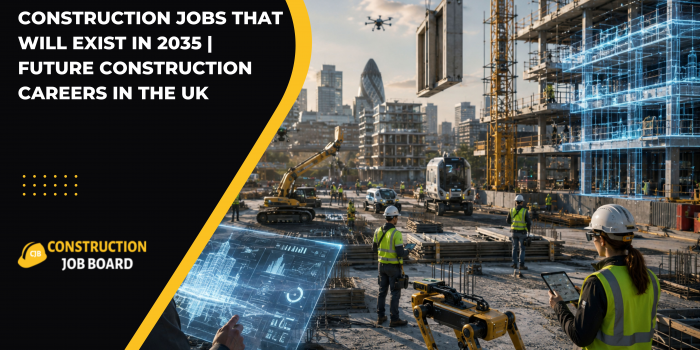
Future Trends in AI Construction Jobs
Over the next few years, AI will play an even greater role in construction planning.
Expected developments include:
- Fully automated quantity takeoffs
- AI-assisted tender writing
- Predictive project scheduling
- Intelligent procurement systems
- Automated risk forecasting
- AI-powered design optimisation
- Real-time project cost monitoring
- Integrated Digital Twin platforms
Professionals who embrace these technologies today will be well positioned for future leadership roles.
Why This Matters for Job Seekers
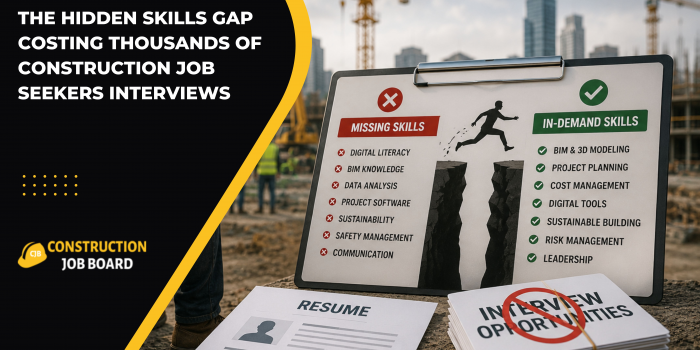
Employers are increasingly looking beyond traditional qualifications.
Candidates who demonstrate:
- Digital literacy
- Technology adoption
- Commercial awareness
- Adaptability
- Continuous learning
are likely to enjoy stronger career prospects than those relying solely on conventional construction experience.
Combining practical site knowledge with AI-enabled tools creates a valuable skill set that is difficult to replace.
Conclusion
AI Construction Jobs are opening exciting new opportunities across estimating, quantity surveying, project planning, and preconstruction. Rather than replacing construction professionals, artificial intelligence is helping teams work more efficiently, reduce project risks, and improve decision-making.
As the UK construction sector continues investing in digital transformation, professionals who build expertise in AI-powered estimating, BIM, data analysis, and modern project management tools will be well placed to secure rewarding careers. Developing these skills today can help construction professionals remain competitive in an industry where technology and traditional expertise increasingly work hand in hand.
Frequently Asked Questions
1. What are AI construction jobs?
AI construction jobs involve using artificial intelligence and digital technologies to improve estimating, project planning, scheduling, procurement, and construction management.
2. Will AI replace construction estimators?
No. AI automates repetitive calculations and data analysis, but experienced estimators remain essential for commercial decisions, negotiations, and project strategy.
3. Which construction careers benefit most from AI?
Construction Estimators, Quantity Surveyors, BIM Coordinators, Preconstruction Managers, Project Controls Engineers, and Digital Construction Managers benefit significantly from AI technologies.
4. What skills are needed for AI construction careers?
Employers value skills such as BIM, AutoCAD, Revit, estimating, project planning, data analysis, risk management, and familiarity with AI-powered construction software.
5. Why is AI becoming important in construction?
AI improves estimating accuracy, reduces manual work, predicts project risks, and helps companies plan labour, budgets, and procurement more effectively.
6. Is AI creating new construction jobs?
Yes. As digital transformation accelerates, new roles focused on AI, BIM, digital construction, data analysis, and technology management are emerging across the industry.