10/07/2026
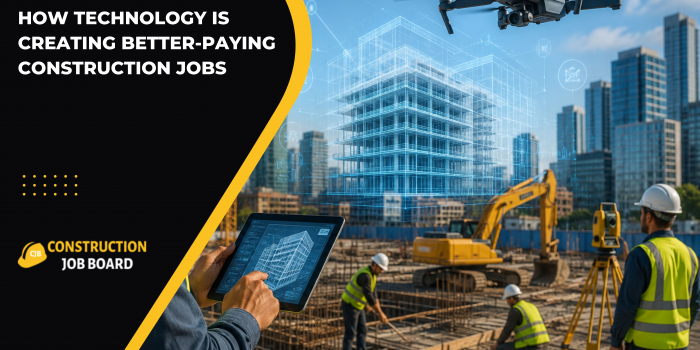
How Technology Is Creating Better-Paying Construction Jobs
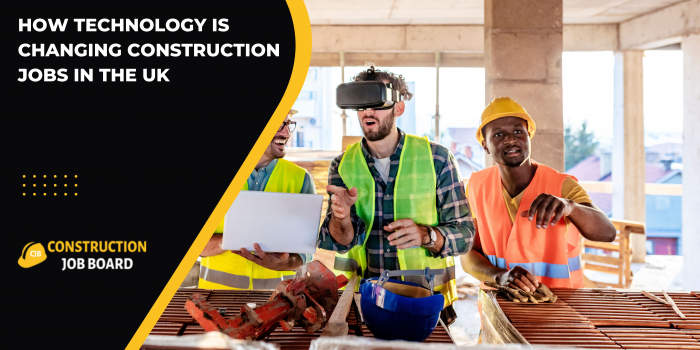
The construction industry is no longer defined solely by hard hats, manual labour, and traditional building methods. Today, Construction Technology Jobs are becoming some of the most rewarding and fastest-growing career opportunities across the UK. As digital transformation reshapes construction projects, employers are actively seeking professionals who can combine practical experience with technological expertise.
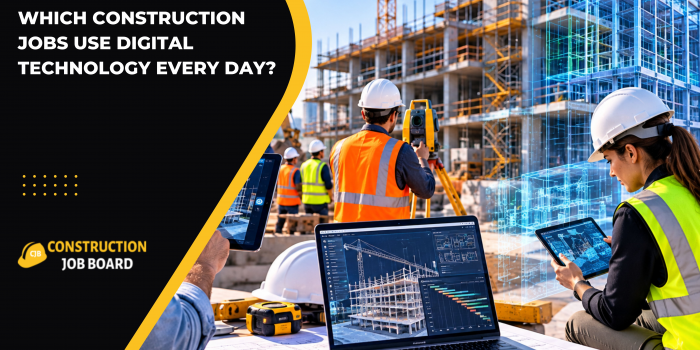
From Building Information Modelling (BIM) and drones to artificial intelligence (AI), robotics, and digital project management platforms, technology is creating roles that offer better salaries, improved career progression, and long-term job security. Whether you're starting your career or looking to move into a higher-paying position, understanding how technology is changing construction can help you stay ahead in an increasingly competitive job market.
The Digital Transformation of Construction
Construction has historically been slower than other industries to adopt new technologies. However, increasing project complexity, labour shortages, sustainability targets, and tighter budgets have accelerated innovation.
Modern construction companies now rely on digital tools to:
- Improve project planning
- Reduce construction errors
- Increase worker safety
- Enhance productivity
- Lower project costs
- Deliver projects faster
As a result, employers increasingly value candidates who understand both construction processes and modern digital technologies.
Why Technology Skills Lead to Higher Salaries
Technology-driven roles require specialised knowledge that many traditional workers have yet to develop. This shortage of skilled professionals naturally increases salaries.
Workers with expertise in digital construction technologies often earn significantly more because they help businesses:
- Improve efficiency
- Reduce expensive mistakes
- Increase productivity
- Meet environmental regulations
- Manage large-scale infrastructure projects
Instead of replacing construction workers, technology is creating entirely new career paths that combine technical and practical skills.
The Technologies Changing Construction Careers
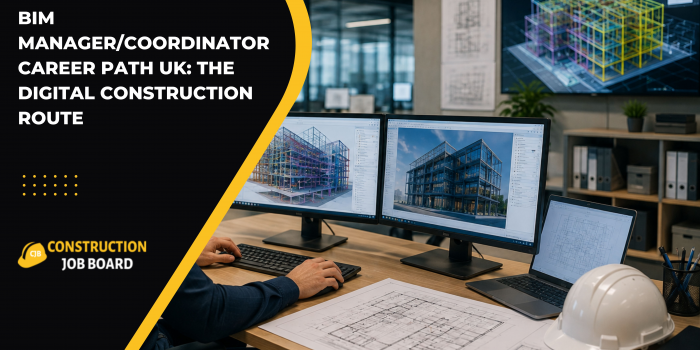
Building Information Modelling (BIM)
BIM has become one of the most important technologies in modern construction.
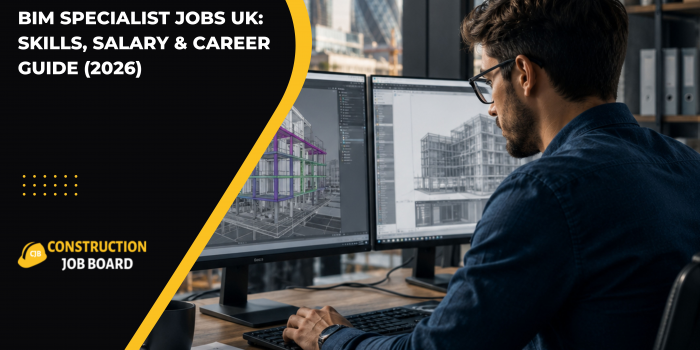
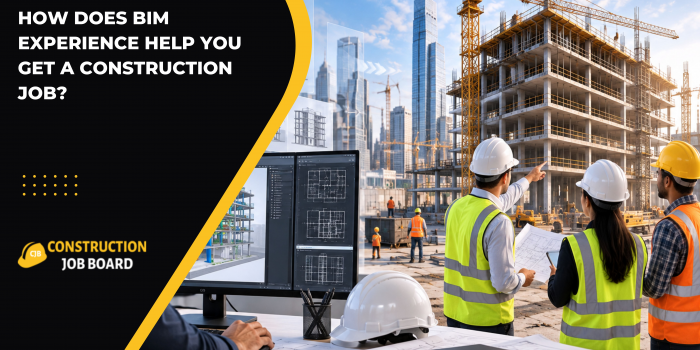
Rather than relying on traditional drawings, BIM creates intelligent 3D digital models containing detailed project information.
Professionals working with BIM often include:
- BIM Coordinators
- BIM Technicians
- BIM Managers
- Digital Engineers
- Design Coordinators
These positions typically command higher salaries because they improve collaboration between architects, engineers, contractors, and clients.
Artificial Intelligence (AI)
Artificial intelligence is transforming construction planning and project management.
AI helps companies:
- Predict project delays
- Improve scheduling
- Analyse safety risks
- Optimise labour allocation
- Reduce waste
- Forecast maintenance requirements
Construction professionals who understand AI-powered software are becoming increasingly valuable to employers.
Drones
Drone technology has become common across construction sites.
Drone operators assist with:
- Site surveys
- Progress monitoring
- Roof inspections
- Land measurements
- Infrastructure inspections
- Safety assessments
Drone surveying reduces costs while improving accuracy, making skilled operators highly sought after.
Robotics and Automation
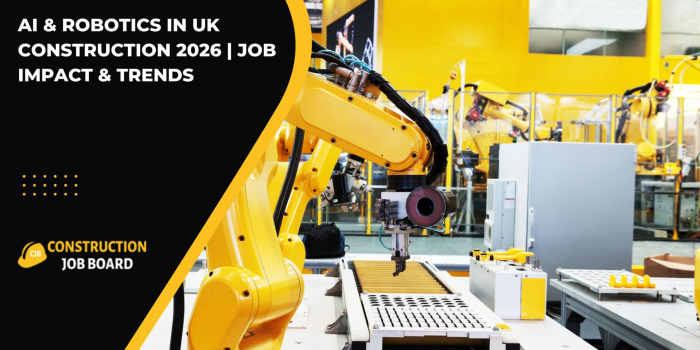
Robotics are beginning to automate repetitive construction tasks.
Examples include:
- Bricklaying robots
- Concrete printing
- Automated excavation equipment
- Robotic demolition
- Material handling systems
Rather than eliminating jobs, these technologies create demand for technicians who can operate, maintain, and supervise advanced machinery.
Construction Management Software
Project management platforms now handle almost every aspect of construction.
Common digital tools assist with:
- Scheduling
- Budget tracking
- Workforce planning
- Procurement
- Risk management
- Document control
Site managers with strong software skills often progress faster into senior leadership positions.
High-Paying Construction Technology Careers
Several technology-focused roles now offer excellent earning potential.
BIM Manager
Responsible for managing digital construction models across entire projects.
Typical responsibilities include:
- Coordinating project information
- Managing BIM standards
- Supporting project teams
- Quality control
Digital Construction Manager
These professionals oversee digital workflows from planning through project completion.
Responsibilities include:
- Technology implementation
- Process improvement
- Digital reporting
- Team training
Drone Surveyor
Drone surveyors collect highly accurate site data that improves planning and reduces survey times.
Their work supports:
- Civil engineering
- Housebuilding
- Infrastructure
- Renewable energy projects
Construction Data Analyst
Large construction companies increasingly rely on data-driven decision-making.
Analysts examine:
- Productivity
- Labour performance
- Project costs
- Safety statistics
- Equipment utilisation
Data skills are becoming a valuable addition to traditional construction knowledge.
Smart Building Specialist
Modern buildings contain advanced technologies including:
- IoT sensors
- Automated lighting
- Smart heating systems
- Energy monitoring
- Security integration
Specialists who understand these systems are in growing demand.
Technology Doesn't Replace Skilled Trades
One common misconception is that technology eliminates construction jobs.
In reality, technology enhances skilled trades rather than replacing them.
Electricians now install smart systems.
Plumbers work with intelligent water management technology.
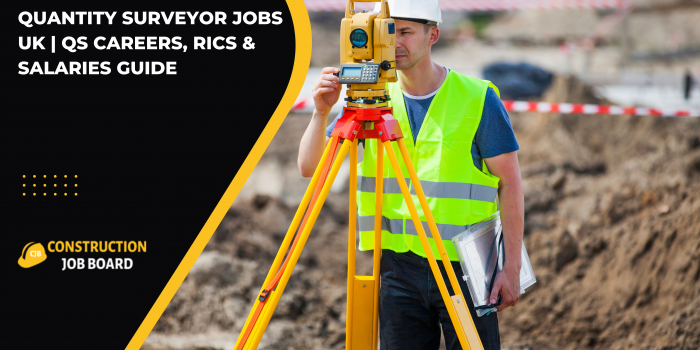
Surveyors use drones.
Site managers rely on AI-powered planning software.
Engineers use BIM every day.
Traditional construction knowledge remains essential, but digital skills create additional career opportunities.
Skills Employers Are Looking For
Modern employers increasingly value candidates with a combination of technical and digital skills.
Desired skills include:
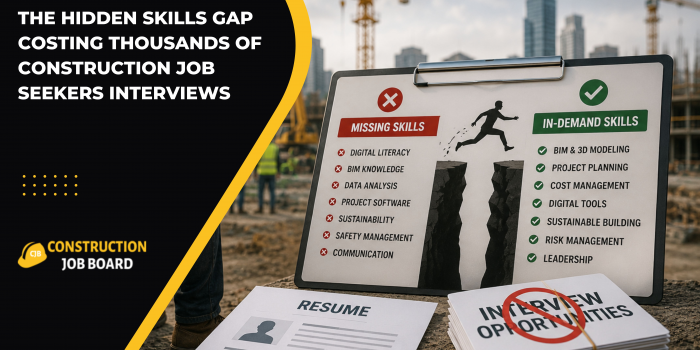
Digital literacy
Understanding construction software is becoming a basic requirement.
BIM knowledge
Even entry-level understanding of BIM can improve employability.
Data interpretation
Being able to understand reports and project analytics is increasingly valuable.
Problem-solving
Technology creates better information, but skilled professionals still make important decisions.
Communication
Digital collaboration requires strong communication across multiple teams.
Adaptability
Technology evolves quickly, making continuous learning an essential career skill.
Certifications That Can Increase Your Salary
Professional development often leads directly to higher-paying opportunities.
Useful certifications include:
- BIM qualifications
- Drone pilot certification
- Health & Safety qualifications
- Project Management certifications
- Digital Construction certifications
- AutoCAD training
- Revit certification
- Construction management software training
These qualifications demonstrate commitment to employers while expanding career opportunities.
The Role of Sustainability
Technology also supports greener construction.
Digital tools help companies:
- Reduce material waste
- Improve energy efficiency
- Lower carbon emissions
- Optimise logistics
- Improve building performance
Professionals who understand both sustainability and technology are becoming increasingly valuable.
Career Progression Opportunities
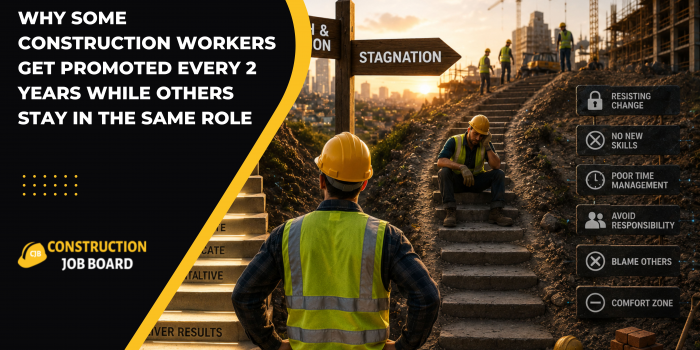
Technology creates faster progression than many traditional career paths.
A typical pathway might look like:
- Site Operative
- Digital Site Coordinator
- BIM Technician
- BIM Coordinator
- Digital Construction Manager
- Head of Digital Construction
This progression often brings significant salary increases alongside greater responsibility.
Preparing for a Technology-Focused Construction Career
You don't need a computer science degree to benefit from construction technology.
Many professionals begin by:
- Learning BIM software
- Taking online construction technology courses
- Improving Excel and data skills
- Understanding digital project management
- Gaining drone qualifications
- Following industry technology trends
Small improvements can make candidates much more attractive to employers.
The Future of Construction Technology Jobs
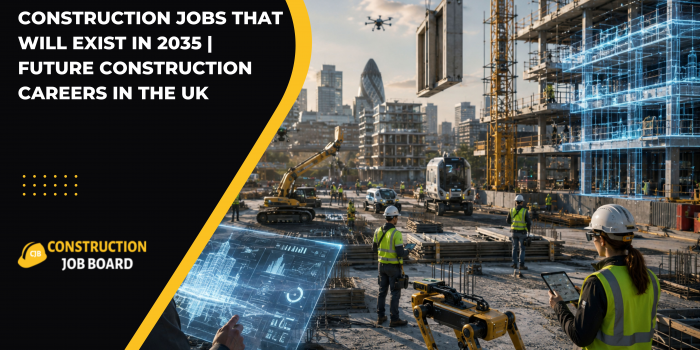
Technology adoption across construction is only expected to accelerate over the coming years. Innovations such as digital twins, augmented reality (AR), virtual reality (VR), autonomous equipment, wearable safety devices, and AI-assisted project planning will continue to reshape how projects are delivered.
For job seekers, this means more opportunities to build rewarding careers that combine practical construction expertise with cutting-edge digital skills. Employers will increasingly reward professionals who embrace continuous learning and adapt to new technologies, making construction technology one of the most exciting career paths in the industry.
Conclusion
Technology is transforming construction into one of the most innovative industries in the UK. As businesses adopt BIM, AI, drones, automation, and smart construction software, the demand for digitally skilled professionals continues to grow.
For workers willing to invest in new skills, Construction Technology Jobs offer higher salaries, better career progression, increased job security, and the opportunity to work on some of the country's most advanced infrastructure and building projects. By combining traditional construction knowledge with modern technology, professionals can position themselves for long-term success in a rapidly evolving industry.
People Also Ask
What are construction technology jobs?
Construction technology jobs involve using digital tools, software, automation, and innovative technologies like BIM, AI, drones, and robotics to improve construction projects.
Which construction technology careers pay the most?
BIM Managers, Digital Construction Managers, Smart Building Specialists, Construction Data Analysts, and Drone Surveyors are among the highest-paying technology-focused construction roles.
Do I need a degree for construction technology jobs?
Not always. Many employers value practical experience combined with certifications in BIM, project management software, or drone operation.
Will technology replace construction workers?
Technology is more likely to enhance existing roles than replace them, creating new opportunities for workers with digital skills.
What skills are needed for digital construction careers?
Digital literacy, BIM knowledge, data analysis, communication, problem-solving, and adaptability are all highly valued.
FAQs
1. What are Construction Technology Jobs?
They are roles that combine construction expertise with digital tools such as BIM, AI, drones, robotics, and project management software.
2. Which technology skills are most valuable in construction?
BIM, AI, drone operation, digital project management, data analysis, and smart building technologies are among the most sought-after skills.
3. Are construction technology jobs in demand?
Yes. As construction companies continue to adopt digital tools, demand for technology-skilled professionals is increasing across the UK.
4. Can experienced tradespeople transition into technology-focused roles?
Absolutely. Many electricians, engineers, surveyors, and site managers successfully upskill through certifications and training.
5. How can I start a career in construction technology?
Begin by learning industry software, gaining certifications, improving digital skills, and applying for entry-level digital construction positions.