22/06/2026
Construction Skills Shortage UK: What It Means for Job Seekers
The construction industry plays a vital role in building homes, infrastructure, commercial developments, and public facilities. However, one of the biggest challenges facing the sector today is a shortage of skilled workers.
Across the UK, employers are reporting difficulties finding qualified professionals for a wide range of construction jobs. From site managers and quantity surveyors to electricians, bricklayers, and civil engineers, many organizations are struggling to recruit the talent needed to deliver projects on time and within budget.
For job seekers, this challenge presents an opportunity. A growing skills shortage means more construction jobs, stronger career prospects, and increased demand for individuals willing to develop valuable industry skills.
Understanding the Construction Skills Shortage
A skills shortage occurs when employers cannot find enough workers with the qualifications, experience, or technical abilities required for available roles.
Several factors have contributed to the current shortage:
- An ageing workforce
- Retirements among experienced professionals
- Increased demand for infrastructure projects
- Housing development requirements
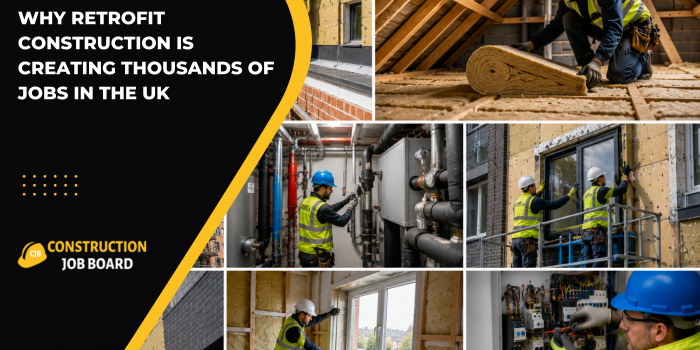
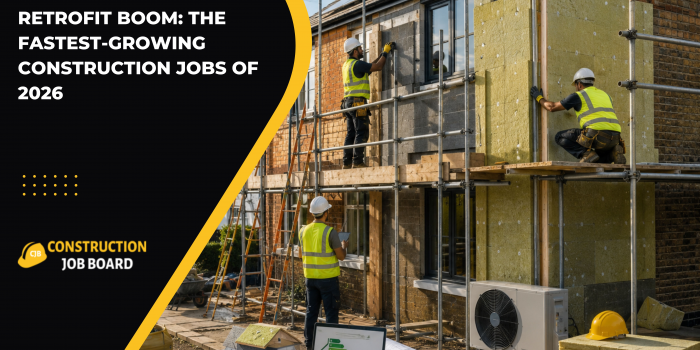
- Growth in retrofit and sustainability projects
- Skills gaps in specialist trades
As construction activity continues across multiple sectors, the demand for skilled workers continues to rise.
Why Construction Jobs Are Increasing
Construction projects require a diverse workforce.
From planning and design to project delivery and maintenance, every stage depends on skilled professionals.
Current demand is being driven by:
Infrastructure Investment
Large-scale infrastructure projects require engineers, site managers, estimators, and skilled tradespeople.
Housing Development
Growing demand for housing continues to create opportunities across residential construction.
Commercial Construction
Businesses continue investing in office, industrial, and mixed-use developments.
Sustainability Projects
Energy efficiency upgrades and retrofit programmes are creating entirely new construction jobs.
These factors are helping maintain strong demand throughout the industry.
Which Construction Jobs Are Most In Demand?
Several roles continue to experience recruitment challenges.
Site Manager Jobs
Site Managers oversee construction activities, safety procedures, schedules, and project delivery.
Because experienced leadership is critical to project success, employers actively seek qualified Site Managers.
Quantity Surveyor Jobs
Quantity Surveyors manage project costs, budgets, and commercial performance.
Their expertise helps ensure projects remain financially viable.
Civil Engineering Jobs
Civil Engineers support the design and delivery of roads, bridges, utilities, and infrastructure projects.
Demand remains strong due to ongoing infrastructure investment.
Estimator Jobs
Estimators calculate project costs and help organizations prepare competitive tenders.
Their work directly supports business growth and project planning.
Skilled Trades Jobs
Tradespeople remain among the most difficult positions for employers to fill.
Examples include:
- Electricians
- Plumbers
- Bricklayers
- Carpenters
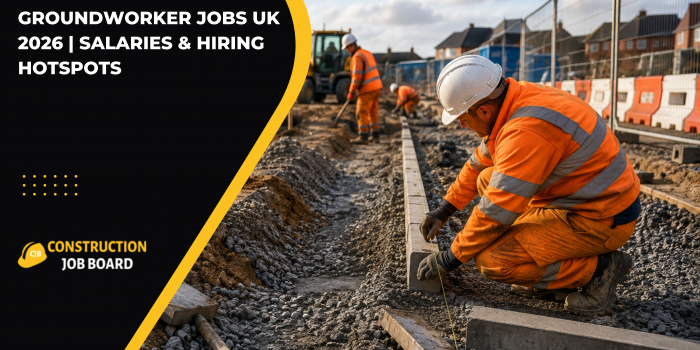
- Groundworkers
- Plant Operators
These roles continue to offer excellent opportunities for job seekers.
Why Skilled Trades Are Particularly Valuable
Construction projects cannot be completed without skilled workers performing specialist tasks.
Although technology supports planning and project management, practical trade expertise remains essential.
Employers increasingly value candidates who possess:
- Technical competence
- Practical experience
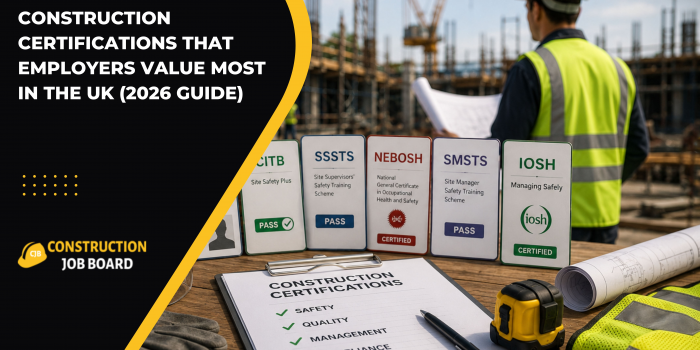
- Industry certifications
- Health and safety awareness
- Problem-solving skills
As a result, skilled trades continue to offer strong long-term employment prospects.
Construction Apprenticeships Create New Opportunities
One of the most effective ways to enter the industry is through an apprenticeship.
Construction apprenticeships allow individuals to:
- Learn practical skills
- Earn industry qualifications
- Gain work experience
- Build professional networks
Many employers view apprenticeships as a valuable pathway for developing future talent.
For individuals with little or no industry experience, apprenticeships provide a strong foundation for long-term career growth.
How Technology Is Changing Construction Careers
Technology is creating additional opportunities within construction.
Professionals increasingly use:
- Building Information Modelling (BIM)
- Computer-Aided Design (CAD)
- Digital project management tools
- Construction analytics platforms
- Surveying technology
Candidates who combine technical expertise with digital skills often gain a competitive advantage.
This trend is creating demand for professionals who can work across both traditional and technology-driven construction environments.
Skills Employers Want Most
Employers involved in construction projects typically seek a combination of technical and professional skills.
Technical Knowledge
Understanding construction methods, materials, and regulations remains essential.
Health and Safety Awareness
Safety remains a top priority across all construction environments.
Communication Skills
Projects require effective collaboration between multiple stakeholders.
Problem Solving
Construction professionals frequently encounter unexpected challenges.
Adaptability
New technologies, sustainability requirements, and changing regulations require continuous learning.
Why the Skills Shortage Benefits Job Seekers
While skills shortages create challenges for employers, they can also create opportunities for workers.
Benefits include:
- More construction jobs
- Greater career progression opportunities
- Increased demand for specialist skills
- Stronger long-term job security
- Access to training and development programmes
Professionals who develop valuable construction skills often find themselves in a strong position within the employment market.
For further insight into workforce challenges affecting the industry, readers can explore the Construction skills shortage UK report, which highlights growing demand for skilled trades and specialist construction professionals.
Future Outlook for Construction Jobs
The need for housing, infrastructure improvements, sustainability projects, and commercial developments is expected to continue supporting construction activity.
This means employers will likely remain focused on attracting, training, and retaining skilled professionals.
For job seekers, the combination of strong demand and limited talent supply creates favourable career conditions.
Final Thoughts
The construction skills shortage is creating significant opportunities for individuals interested in construction jobs.
Whether pursuing a career as a Site Manager, Quantity Surveyor, Civil Engineer, Estimator, or skilled tradesperson, job seekers can benefit from strong demand and long-term career prospects.
By developing relevant qualifications, gaining practical experience, and embracing industry innovation, professionals can position themselves for success in one of the UK's most important industries.
FAQs
What is the construction skills shortage?
The construction skills shortage refers to the gap between the number of available construction jobs and the number of qualified workers available to fill them.
Why are construction jobs in high demand?
Construction jobs are growing due to infrastructure projects, housing development, commercial construction, and sustainability initiatives.
Which construction jobs are most in demand?
Site Managers, Quantity Surveyors, Civil Engineers, Estimators, Electricians, Plumbers, and Bricklayers are among the most sought-after professionals.
Can beginners start a career in construction?
Yes. Apprenticeships, trainee positions, and entry-level roles provide pathways into the construction industry.
How can I improve my chances of getting construction jobs?
Gaining qualifications, practical experience, industry certifications, and digital construction skills can improve employability.
Are construction careers a good long-term choice?
Yes. Construction continues to offer strong demand, career progression opportunities, and long-term employment prospects.