08/07/2026
Infrastructure & Utilities Sector Jobs UK: Roads, Rail, Water & Energy Opportunities
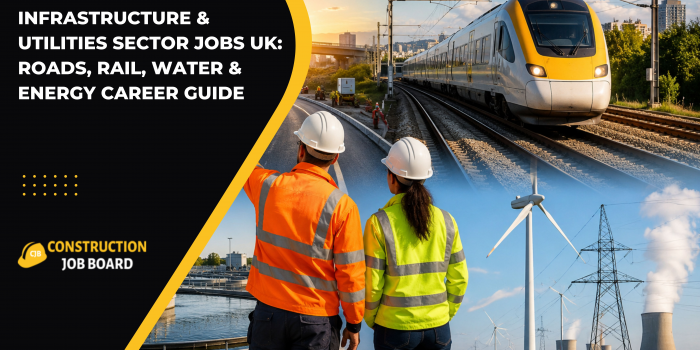
The demand for Infrastructure & Utilities Sector Jobs UK continues to grow as major investment in roads, railways, water networks, renewable energy, and national infrastructure creates thousands of new career opportunities. Whether you're an experienced construction professional, an engineer, a project manager, or someone entering the industry for the first time, infrastructure projects offer long-term employment, competitive salaries, and excellent career progression.
Unlike residential construction, infrastructure and utilities projects often span several years, providing greater job security and opportunities to work on nationally significant developments. From upgrading transport networks to expanding renewable energy capacity, the sector requires skilled professionals across almost every construction discipline.
This guide explains the different types of infrastructure jobs available, the qualifications employers look for, salary expectations, and how to build a successful career in one of the UK's most important industries.
Why Infrastructure and Utilities Are Growing Rapidly
Infrastructure is the backbone of every economy.
Roads, railways, water treatment facilities, electricity networks, airports, ports, telecommunications, and renewable energy projects all require continuous investment to support economic growth and population demands.
Across the UK, government funding and private investment are driving major projects including:
- Highway improvements
- Rail modernisation
- Water network upgrades
- Flood defence schemes
- Offshore wind farms
- Solar energy developments
- Battery storage facilities
- Electricity transmission upgrades
These long-term projects create sustained demand for skilled construction professionals.
Unlike short residential developments, infrastructure projects may continue for five to ten years, providing greater employment stability.
What Are Infrastructure & Utilities Jobs?
Infrastructure and utilities careers involve designing, building, maintaining, and upgrading essential public services.
These include:
Roads & Highways
Professionals work on:
- Motorway upgrades
- Junction improvements
- Bridges
- Tunnels
- Local authority highways
- Smart road technology
Highway projects require civil engineers, machine operators, supervisors, planners, and health & safety professionals.
Rail Construction
Rail remains one of the UK's largest infrastructure sectors.
Projects include:
- Track renewals
- New railway stations
- Electrification
- Signalling systems
- Bridge replacements
- Rail maintenance depots
Rail employers often recruit:
- Civil Engineers
- Project Managers
- Site Managers
- Surveyors
- Planners
- Track Operatives
Many professionals move into Civil Engineering Jobs through rail projects before progressing into senior leadership positions.
Water Industry
Water infrastructure supports millions of homes and businesses.
Typical projects include:
- Water treatment plants
- Reservoir construction
- Sewer upgrades
- Pumping stations
- Pipeline installation
- Flood prevention schemes
Demand continues to increase as ageing infrastructure requires replacement and climate resilience becomes more important.
Energy Sector
The UK's transition towards cleaner energy has transformed construction hiring.
Projects include:
- Offshore wind farms
- Solar farms
- Nuclear infrastructure
- Battery storage facilities
- Hydrogen projects
- Electricity substations
- Grid upgrades
This sector offers opportunities for electricians, engineers, environmental specialists, project managers, planners, and quantity surveyors.
Most In-Demand Infrastructure Jobs
One of the biggest advantages of infrastructure is the variety of careers available.
Civil Engineer
Civil engineers plan, design, and supervise major construction projects.
Typical responsibilities include:
- Structural design
- Site inspections
- Engineering calculations
- Quality assurance
- Technical reporting
Civil engineering experience also provides an excellent foundation for long-term Construction Career Progression.
Site Manager
Experienced Site Manager Jobs remain in high demand across road, rail, and utilities projects.
Responsibilities include:
- Managing subcontractors
- Health & safety compliance
- Programme delivery
- Resource allocation
- Quality management
- Client coordination
Strong leadership skills are essential for these positions.
Quantity Surveyor
Infrastructure projects involve significant commercial management.
Quantity Surveyor Jobs often include:
- Cost forecasting
- Procurement
- Contract administration
- Valuations
- Risk management
- Budget reporting
Because infrastructure projects are often high-value, quantity surveyors can gain valuable experience working on complex commercial contracts.
Project Planner
Planning professionals help ensure projects remain on schedule.
Typical duties include:
- Programme development
- Progress monitoring
- Risk analysis
- Resource planning
- Delay reporting
Planning specialists are increasingly important as infrastructure projects become larger and more technically complex.
Health & Safety Advisor
Infrastructure projects operate under strict safety regulations.
Health & Safety Advisors help ensure legal compliance while protecting workers, contractors, and the public.
Many employers actively recruit professionals with recognised health and safety qualifications and practical site experience.
Skills Employers Value Most
Recruiters increasingly look beyond technical ability.
The most successful candidates combine practical experience with broader professional skills.
Employers value:
- Communication
- Leadership
- Digital literacy
- Commercial awareness
- Problem-solving
- Adaptability
- Health & safety knowledge
- Teamwork
- Environmental awareness
- Project management
Professionals who continue developing these skills often enjoy faster promotion opportunities and greater career flexibility.
Qualifications That Improve Your Career Prospects
The qualifications required depend on your chosen role.
Commonly requested certifications include:
- CSCS Card
- SMSTS
- SSSTS
- CPCS
- NPORS
- NEBOSH
- IOSH
- HNC/HND in Civil Engineering
- Degree in Civil Engineering
- Professional membership (where appropriate)
Completing Construction Apprenticeships also provides an excellent route into infrastructure careers while earning practical experience.
Salary Expectations in Infrastructure & Utilities
One of the biggest attractions of working in the infrastructure and utilities sector is the opportunity to earn competitive salaries while contributing to nationally significant projects. Pay varies depending on experience, qualifications, location, and the complexity of the project.
Typical salary expectations include:
- Site Labourers: £28,000–£38,000 per year
- Civil Engineers: £38,000–£60,000+
- Site Managers: £50,000–£75,000+
- Quantity Surveyors: £45,000–£80,000+
- Project Managers: £60,000–£90,000+
- Health & Safety Advisors: £40,000–£65,000+
- Project Planners: £45,000–£75,000+
Large infrastructure programmes often provide additional benefits such as pension contributions, training opportunities, travel allowances, overtime, and performance bonuses.
Why Infrastructure Careers Offer Long-Term Stability
Unlike smaller residential developments, infrastructure projects often span several years.
For example:
- A motorway upgrade may take five years.
- A rail modernisation programme may continue for a decade.
- Offshore wind developments often involve years of planning, construction, and maintenance.
- Water treatment upgrades require ongoing investment and operational support.
This long project lifecycle provides greater employment stability than many short-term construction projects.
As a result, professionals who build experience within infrastructure often enjoy consistent career opportunities.
Renewable Energy Is Creating Thousands of New Opportunities
One of the fastest-growing areas within infrastructure is renewable energy construction.
The UK's transition towards lower-carbon energy is creating demand for professionals involved in:
- Offshore wind farms
- Onshore wind developments
- Solar energy projects
- Battery storage systems
- Hydrogen infrastructure
- Electric vehicle charging networks
- Electricity transmission upgrades
These projects require a wide range of construction professionals, including electricians, civil engineers, planners, environmental specialists, project managers, quantity surveyors, and health & safety professionals.
Candidates with experience in sustainability and digital construction are becoming particularly valuable as employers look to deliver greener infrastructure projects.
How to Start a Career in Infrastructure
Breaking into infrastructure doesn't always require years of experience.
Many professionals enter the sector through:
Apprenticeships
Construction apprenticeships combine paid employment with structured training, making them an excellent starting point for school leavers and career changers.
Graduate Programmes
Civil engineering, surveying, and construction management graduates can join structured development programmes offered by contractors and infrastructure organisations.
Specialist Recruitment Agencies
Many agencies focus exclusively on infrastructure and utilities recruitment, providing access to road, rail, water, and energy projects across the UK.
Upskilling
Professionals already working in construction can improve their prospects by gaining certifications such as:
- SMSTS
- NEBOSH
- Temporary Works Coordinator
- First Aid
- CPCS
- BIM awareness
Continuous learning supports long-term Construction Career Progression and helps candidates move into more senior roles.
Career Progression Opportunities
Infrastructure projects often provide clear career pathways.
A typical progression might look like this:
Site Labourer → Skilled Operative → Supervisor → Site Manager → Project Manager → Contracts Manager → Operations Director
Similarly, engineering professionals may progress from:
Graduate Engineer → Site Engineer → Senior Engineer → Section Engineer → Engineering Manager → Project Director
The size and complexity of infrastructure projects often accelerate professional development by exposing employees to multidisciplinary teams, advanced technologies, and large-scale project delivery.
Challenges of Working in Infrastructure
Although infrastructure careers offer many rewards, professionals should also be aware of the challenges.
These can include:
- Working in remote locations
- Shift patterns, including nights and weekends
- Strict health and safety requirements
- Tight project deadlines
- Adverse weather conditions
- Travel between project sites
However, many professionals consider these challenges worthwhile because of the career progression, salary potential, and opportunity to contribute to nationally important projects.
Future Outlook
Infrastructure remains one of the strongest areas of the UK construction industry
Continued investment in transport, utilities, renewable energy, flood protection, and digital infrastructure is expected to sustain demand for skilled workers over the coming years.
Employers are increasingly seeking professionals who combine technical expertise with:
- Leadership
- Communication
- Commercial awareness
- Digital skills
- Sustainability knowledge
- Adaptability
Those who invest in these capabilities are likely to enjoy strong career prospects as the industry continues to evolve.
Final Thoughts
The growth of Infrastructure & Utilities Sector Jobs UK presents exciting opportunities for construction professionals at every stage of their careers.
From highways and rail to water treatment and renewable energy, the sector offers stable employment, competitive salaries, and clear progression pathways.
Whether you're entering the construction industry for the first time or looking to specialise in large-scale projects, infrastructure provides an excellent platform for building long-term success.
By keeping your qualifications up to date, developing both technical and workplace skills, and staying informed about industry trends, you'll be well positioned to take advantage of the many opportunities available across this dynamic sector.
Key Takeaways
- Infrastructure and utilities projects provide long-term employment opportunities.
- Roads, rail, water, and energy sectors continue to recruit skilled professionals.
- Civil engineers, site managers, quantity surveyors, planners, and health & safety advisors remain in high demand.
- Renewable energy projects are creating thousands of new construction careers.
- Continuous professional development improves employability and career progression.
People Also Ask
What are infrastructure jobs in the UK?
Infrastructure jobs involve designing, building, maintaining, and upgrading essential public assets such as roads, railways, water systems, energy networks, and bridges.
Which infrastructure sector pays the highest salaries?
Project management, commercial management, quantity surveying, and senior engineering roles often offer the highest salaries within the infrastructure sector.
Are infrastructure jobs secure?
Yes. Infrastructure projects typically run for several years, providing greater employment stability than many short-term construction projects.
How do I get a job in the infrastructure sector?
You can enter through apprenticeships, graduate programmes, specialist recruitment agencies, or by gaining relevant experience and professional certifications in construction or civil engineering.
Frequently Asked Questions
1. What qualifications are needed for infrastructure jobs?
Most employers look for relevant trade qualifications, CSCS cards, engineering degrees, apprenticeships, or certifications such as SMSTS, CPCS, IOSH, or NEBOSH depending on the role.
2. Are infrastructure jobs suitable for apprentices?
Yes. Many organisations offer apprenticeships that combine practical work with recognised qualifications, making them an excellent entry route.
3. Which infrastructure sector is growing fastest?
Renewable energy, electricity transmission, rail modernisation, and water infrastructure are among the fastest-growing areas.
4. Can experienced construction workers move into infrastructure?
Absolutely. Skills gained in general construction often transfer well into highways, rail, utilities, and energy projects.
5. What skills do employers value most?
Employers value technical expertise, communication, leadership, commercial awareness, health and safety knowledge, teamwork, digital literacy, and adaptability.