

Back

Bricklaying Jobs: Complete Guide to Skills, Salary, and Career Growth in Construction

Bricklaying Jobs: Complete Guide to Skills, Salary, and Career Growth in Construction

Introduction

Bricklaying jobs are one of the most fundamental roles in the construction industry, forming the backbone of residential, commercial, and infrastructure projects. From building walls and structures to ensuring durability and stability, bricklayers play a vital role in shaping modern buildings. With ongoing construction demand worldwide, bricklaying jobs continue to offer strong job security, steady income, and long-term career opportunities.

For individuals who prefer hands-on work and enjoy working outdoors, bricklaying jobs provide a rewarding and practical career path with opportunities for specialization and self-employment.

What Are Bricklaying Jobs?

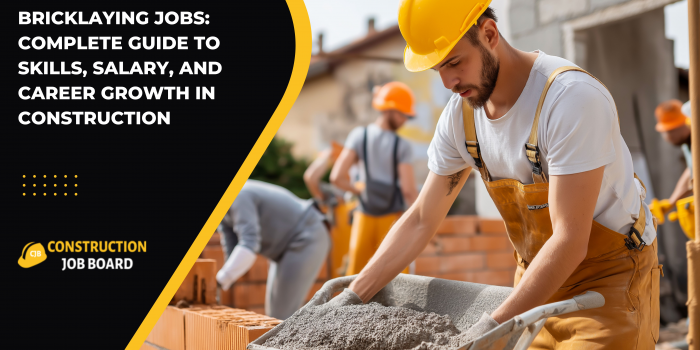
Bricklaying jobs involve constructing walls, buildings, and other structures using bricks, concrete blocks, and other materials. These roles require precision, technical knowledge, and physical strength to ensure that structures are built safely and accurately.

Professionals in bricklaying jobs work on:

  • Residential housing projects
  • Commercial buildings
  • Infrastructure developments
  • Renovation and restoration projects

Bricklaying jobs are essential in both new construction and repair work.

Key Responsibilities of Bricklaying Jobs

Bricklayers perform a wide range of tasks, including:

  • Laying bricks, blocks, and stones
  • Mixing and applying mortar
  • Reading construction plans and blueprints
  • Measuring and aligning structures accurately
  • Repairing and restoring existing structures
  • Ensuring safety and quality standards

These responsibilities require both technical skill and physical effort.

Skills Required for Bricklaying Jobs

To succeed in bricklaying jobs, individuals need:

1. Precision and Attention to Detail

Accurate alignment and spacing are critical.

2. Physical Strength and Stamina

Bricklaying jobs involve lifting and manual labor.

3. Technical Knowledge

Understanding construction methods and materials is essential.

4. Problem-Solving Skills

Handling structural challenges efficiently.

5. Teamwork

Working with other construction professionals.

Qualifications and Training

Most bricklaying jobs require:

  • Vocational training or apprenticeships
  • On-the-job experience
  • Basic safety certifications

Many professionals start as helpers and progress into skilled bricklayer roles.

Salary Expectations in Bricklaying Jobs

Bricklaying jobs offer competitive wages:

  • Entry-level roles provide steady income
  • Skilled bricklayers earn higher pay
  • Experienced professionals can earn premium wages

Self-employed bricklayers often earn more depending on projects.

Career Growth Opportunities

Bricklaying jobs provide excellent career progression:

  • Senior bricklayer
  • Site supervisor
  • Construction manager
  • Independent contractor

With experience, professionals can start their own construction businesses.

Why Bricklaying Jobs Are in High Demand

Demand for bricklaying jobs is driven by:

  • Increasing construction projects
  • Infrastructure development
  • Housing demand
  • Skilled labor shortages

These factors ensure long-term job stability.

How to Find Bricklaying Jobs

  • Use construction job boards
  • Apply to contractors
  • Join apprenticeship programs
  • Network within the industry

Challenges in Bricklaying Jobs

  • Physically demanding work
  • Outdoor working conditions
  • Safety risks if precautions are not followed

Future Scope

The future of bricklaying jobs remains strong due to ongoing construction and infrastructure projects.

Conclusion

Bricklaying jobs offer a stable and rewarding career path with strong earning potential and growth opportunities. With the right training and experience, individuals can build successful careers in construction.

FAQs

Q1: Are bricklaying jobs in demand?
Yes, highly.

Q2: Is bricklaying a good career?
Yes, with strong growth opportunities.