Types of Construction Workers in the UK and Trade Specialisations Explained
22/01/2026
Understanding Different Types of Construction Workers and Trade Specialisations in the UK
Scope Statement
This article provides an informational overview of different types of construction workers and trade specialisations in the United Kingdom. It explains common role categories and functional distinctions without offering career advice, recommendations, or employment decisions.
Introduction
The UK construction industry relies on a wide range of workers with different skill sets, responsibilities, and areas of specialisation. Construction workers are not a single, uniform group; instead, they represent multiple trades and professional disciplines that contribute to the successful delivery of construction projects.
Understanding how construction workers are categorised and how trade specialisations function helps clarify the structure of construction projects and the interdependence of various roles. This article outlines the main types of construction workers found in the UK and explains how trade specialisation shapes project delivery.
What Is a Construction Worker?
A construction worker is an individual involved in the physical, technical, or supervisory activities required to plan, build, modify, or maintain structures and infrastructure. Construction workers may operate on-site, in workshops, or in support roles that enable construction activities to proceed safely and efficiently.
In the UK, construction workers can be grouped based on the nature of their work, level of specialisation, and degree of technical or professional responsibility.
General Construction Workers
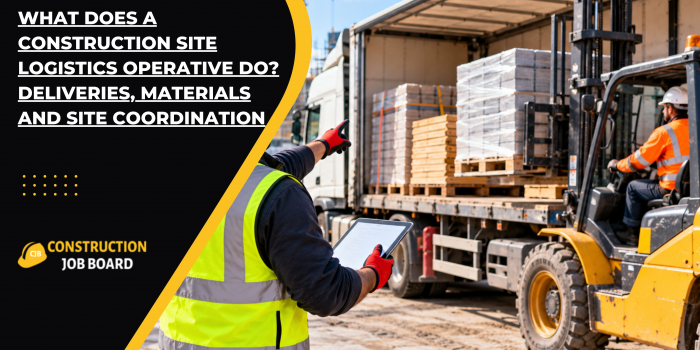
General construction workers typically perform a variety of foundational tasks that support day-to-day site operations. These roles are often essential for maintaining site readiness and assisting skilled trades.
Common Characteristics
- Involvement in manual tasks
- Support for skilled trade activities
- Adaptability across different site needs
- Close adherence to site safety procedures
General construction workers may work across multiple project phases and often contribute to site preparation, material handling, and basic construction activities.
Skilled Trade Workers
Skilled trade workers specialise in specific construction disciplines that require focused training, experience, and technical competence. These workers perform defined tasks that directly affect the quality and safety of completed structures.
Examples of Skilled Trades
- Bricklaying and masonry
- Carpentry and joinery
- Plumbing and pipefitting
- Electrical installation
- Roofing and cladding
- Plastering and finishing trades
Skilled trade workers typically follow established technical standards and industry regulations when carrying out their work. Their roles are integral to ensuring that construction projects meet structural and functional requirements.
Technical Construction Roles
Technical construction workers focus on design interpretation, measurement, testing, and quality assurance. These roles bridge the gap between physical construction activities and planning or engineering requirements.
Typical Technical Roles
- CAD and design technicians
- Engineering technicians
- Quality control inspectors
- Site technicians
- Materials testing specialists
Technical workers may operate both on-site and in office environments. Their responsibilities often include verifying specifications, monitoring quality standards, and supporting compliance processes.
Supervisory and Site Coordination Roles
Supervisory construction workers oversee site operations and coordinate the activities of multiple teams. These roles focus on organisation, communication, and compliance rather than direct physical construction work.
Key Responsibilities
- Monitoring site progress
- Coordinating trade schedules
- Ensuring safety procedures are followed
- Acting as a liaison between teams
Supervisory roles are critical for maintaining workflow continuity and ensuring that project stages align with planned timelines.
Professional and Specialist Construction Roles
Some construction workers operate in specialist or professional capacities that require advanced training or formal qualifications. These roles often involve analysis, planning, and regulatory oversight.
Examples of Specialist Roles
- Quantity surveyors
- Building surveyors
- Structural engineers
- Health and safety specialists
- Environmental and sustainability professionals
These workers contribute expertise that supports decision-making, compliance, and long-term project performance.
Trade Specialisation in Construction
Trade specialisation refers to the division of construction work into distinct disciplines, each requiring specific knowledge and techniques. Specialisation allows construction projects to be delivered efficiently while maintaining quality and safety standards.
Why Trade Specialisation Exists
- Complexity of modern construction
- Regulatory and safety requirements
- Technical precision needed for specific tasks
- Efficiency through task-focused expertise
Trade specialisation ensures that each element of a project is handled by individuals with relevant skills and experience.
Collaboration Between Construction Trades
Although construction workers may specialise in specific trades, successful project delivery depends on coordination and collaboration. Construction activities are often sequential, meaning that one trade’s work must be completed before another begins.
Examples of interdependent work include:
- Structural completion before finishing trades
- Electrical and plumbing coordination
- Inspection and testing before handover stages
Clear communication and scheduling are essential to managing these dependencies.
Work Environments for Construction Workers
Construction workers operate in various environments depending on their role and trade.
On-Site Environments
Many construction workers perform their duties on active construction sites, which may include:
- New developments
- Renovation projects
- Infrastructure sites
Site conditions can vary widely based on project type, location, and weather.
Off-Site and Support Environments
Some construction workers operate in offices, workshops, or laboratories where they:
- Prepare designs
- Conduct testing
- Review documentation
- Coordinate logistics
Hybrid roles may involve both site visits and office-based responsibilities.
Employment Structures for Construction Workers
Construction workers in the UK may be engaged under different employment arrangements, reflecting the project-based nature of the industry.
Common structures include:
- Permanent employment within construction firms
- Fixed-term or project-based contracts
- Agency-supported temporary work
These structures allow the construction workforce to scale in response to project demand.
Importance of Role Diversity in Construction
The diversity of construction worker roles and trade specialisations supports:
- Project quality and safety
- Regulatory compliance
- Efficient use of resources
- Adaptability to complex project requirements
Each role contributes a defined function within the broader construction ecosystem.
Conclusion
Construction workers in the UK encompass a wide range of roles, from general site support and skilled trades to technical, supervisory, and professional specialisations. Trade specialisation enables construction projects to meet technical, safety, and regulatory standards while supporting efficient project delivery.
By understanding the different types of construction workers and how trade specialisations function, readers can gain a clearer view of how construction projects are structured and executed across the UK.
FAQs (Neutral & Informational)
What types of construction workers are found in the UK?
Construction workers in the UK include general construction workers, skilled trade workers, technical roles, supervisory positions, and specialist or professional roles involved in planning, building, and compliance.
What is meant by trade specialisation in construction?
Trade specialisation refers to dividing construction work into specific disciplines, such as carpentry, electrical work, or plumbing, each requiring focused skills and training.
Are all construction workers involved in physical site work?
No. While many construction workers operate on-site, others work in technical, supervisory, or professional roles that may be office-based or involve hybrid work environments.
Why is trade specialisation important in construction?
Trade specialisation supports quality, safety, regulatory compliance, and efficiency by ensuring that specific construction tasks are performed by workers with appropriate expertise.
How do different construction trades work together on projects?
Construction trades collaborate through coordinated scheduling and sequencing, where the completion of one trade’s work enables the next phase of construction activity.
How are construction workers typically employed in the UK?
Construction workers may be employed in permanent roles, project-based contracts, or temporary and agency-supported positions depending on project requirements.