28/07/2026
Agentic AI in Construction: How Smart Automation Is Transforming Job Roles
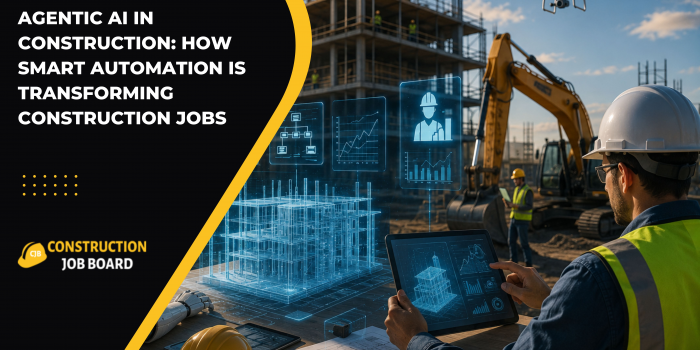
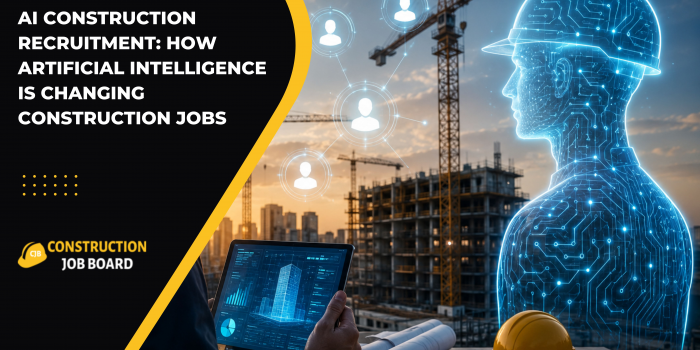
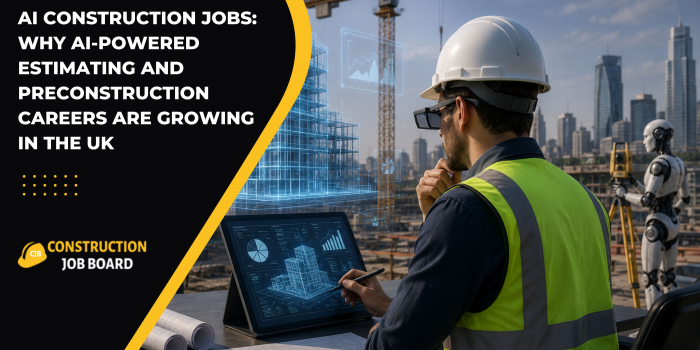
Agentic AI Construction is emerging as one of the most exciting innovations in the UK construction industry. Unlike traditional artificial intelligence, which simply analyses data or responds to prompts, Agentic AI can make decisions, coordinate multiple tasks, and take actions with minimal human intervention. From planning projects and scheduling resources to monitoring site safety and predicting delays, Agentic AI is beginning to reshape how construction companies operate. For construction professionals, this doesn't mean fewer jobs—it means smarter workflows, new career opportunities, and an increasing demand for digital skills.
As major contractors continue investing in automation, digital twins, Building Information Modelling (BIM), and intelligent project management systems, understanding Agentic AI will become an important advantage for anyone building a long-term construction career.
What Is Agentic AI?
Traditional AI is designed to complete individual tasks after receiving instructions.
For example, it can:
- Analyse construction costs
- Generate reports
- Detect design errors
- Review contracts
- Predict project risks
Agentic AI goes a step further.
Instead of waiting for instructions, it can:
- Plan sequences of work
- Coordinate multiple software systems
- Recommend solutions
- Monitor progress continuously
- Adapt plans when project conditions change
- Alert teams before problems occur
Think of it as an intelligent digital assistant capable of managing multiple activities while keeping human professionals informed and in control.
Why Is Agentic AI Important for Construction?
Construction projects involve thousands of moving parts.
A typical project includes:
- Multiple contractors
- Hundreds of workers
- Thousands of materials
- Complex schedules
- Strict safety regulations
- Tight budgets
- Constant design updates
Managing all this information manually becomes increasingly difficult.
Agentic AI helps coordinate these activities by analysing real-time project data and recommending actions before problems affect delivery.
Instead of reacting to delays, project teams can prevent them.
How Agentic AI Works on Construction Projects
Agentic AI connects information from different digital systems, including:
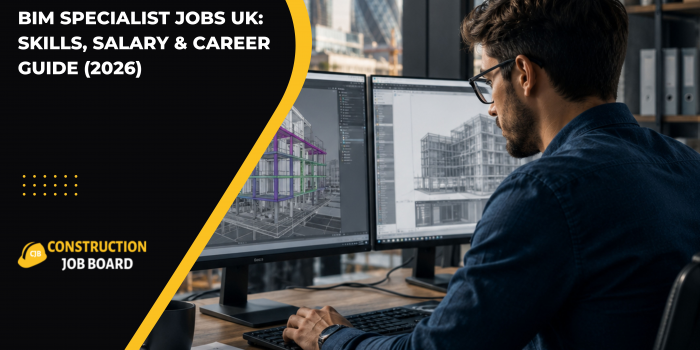
- BIM models
- Project schedules
- Cost management software
- Procurement systems
- Site sensors
- Drones
- Workforce management platforms
- Document management software
It continuously monitors project performance.
When something changes—such as delayed material deliveries or labour shortages—the AI evaluates possible solutions and suggests the best course of action.
This creates faster and more informed decision-making.
Examples of Agentic AI in Construction
Intelligent Project Scheduling
Construction schedules frequently change because of weather, supply chain issues, or design revisions.
Agentic AI can:
- Identify scheduling conflicts
- Recommend revised timelines
- Reallocate labour resources
- Adjust subcontractor activities
- Notify project managers automatically
This reduces delays and improves project coordination.
Smart Procurement
Construction procurement involves managing thousands of products and suppliers.
Agentic AI helps by:
- Comparing supplier prices
- Predicting material shortages
- Monitoring delivery performance
- Suggesting alternative suppliers
- Forecasting future purchasing needs
This supports more efficient procurement decisions while reducing project costs.
Site Safety Monitoring
Health and safety remain top priorities across the UK construction industry.
Agentic AI works alongside cameras, drones, and IoT sensors to:
- Detect unsafe behaviour
- Monitor restricted areas
- Identify missing PPE
- Track equipment movement
- Predict accident risks
Site managers receive alerts before incidents escalate.
Importantly, AI supports safety teams rather than replacing them.
Workforce Planning
Labour shortages remain one of the industry's biggest challenges.
Agentic AI analyses:
- Worker availability
- Project requirements
- Skills databases
- Historical productivity
- Upcoming workloads
This helps employers assign the right people to the right projects while improving productivity.
Construction Jobs Being Enhanced by Agentic AI
Rather than replacing workers, Agentic AI improves how professionals perform their roles.
Examples include:
|
Job Role
|
How Agentic AI Helps
|
|
Project Manager
|
Automates scheduling and progress tracking
|
|
Site Manager
|
Monitors safety and workforce allocation
|
|
Quantity Surveyor
|
Improves cost forecasting and risk analysis
|
|
Construction Estimator
|
Generates more accurate estimates
|
|
Planner
|
Optimises project timelines
|
|
Procurement Manager
|
Supports purchasing decisions
|
|
BIM Coordinator
|
Connects digital project information
|
|
Health & Safety Manager
|
Receives predictive safety alerts
|
Each role becomes more data-driven while still relying on human expertise.
Will Agentic AI Replace Construction Workers?
The short answer is no.
Construction remains a people-focused industry.
AI cannot replace:
- Leadership
- Communication
- Client relationships
- On-site problem-solving
- Trade expertise
- Negotiation
- Practical decision-making
Instead, Agentic AI removes repetitive administrative work so professionals can focus on higher-value activities.
For example:
A Site Manager may spend less time updating reports and more time supervising teams.
A Quantity Surveyor may spend less time measuring drawings and more time advising clients.
A Project Manager may spend less time adjusting schedules manually and more time leading project delivery.
Skills Employers Will Look for in the AI Era
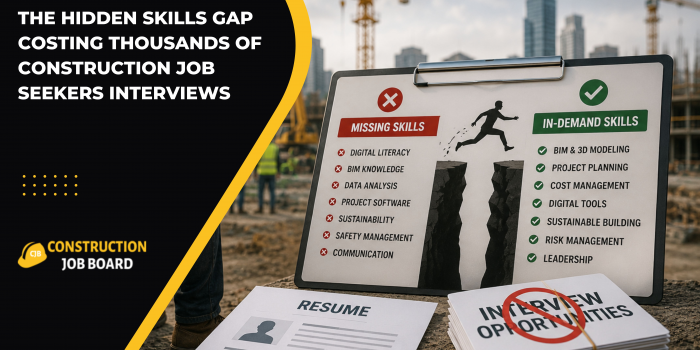
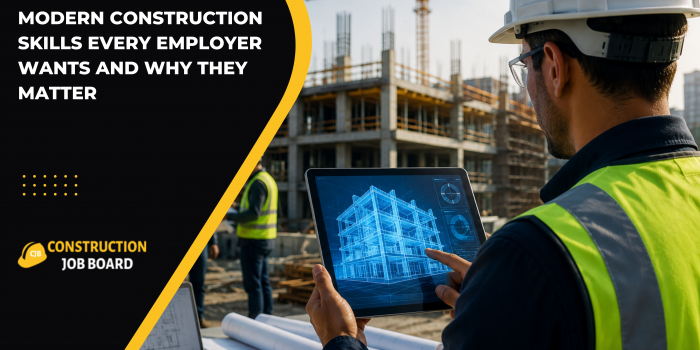
As Agentic AI becomes more common, employers are increasingly seeking candidates who combine traditional construction expertise with digital knowledge.
Highly valuable skills include:
- Building Information Modelling (BIM)
- Digital Project Management
- Data Analysis
- Construction Planning
- Risk Management
- Cloud Collaboration
- AI-powered Construction Software
- Digital Procurement
- Problem-solving
- Leadership
- Adaptability
Professionals willing to learn new technologies will have stronger career prospects as the industry continues to evolve.
Industries Adopting Agentic AI First
Several sectors are already investing heavily in intelligent automation.
These include:
- Major infrastructure projects
- Rail construction
- Renewable energy developments
- Commercial office construction
- Healthcare facilities
- Data centre construction
- Residential housing developments
- Industrial manufacturing projects
These projects generate vast amounts of data, making them ideal environments for Agentic AI solutions.
The Future of Agentic AI in Construction
Agentic AI is expected to become a core part of construction project delivery over the next decade. Rather than functioning as a standalone tool, it will act as an intelligent project assistant that works alongside construction professionals throughout every stage of a project.
Future developments are expected to include:
- AI-managed project scheduling
- Automated procurement recommendations
- Predictive maintenance for construction equipment
- Real-time cost forecasting
- Intelligent workforce allocation
- Automated compliance monitoring
- Digital Twin integration
- Carbon footprint optimisation
- AI-assisted quality inspections
As these technologies mature, construction professionals will spend less time on repetitive administrative tasks and more time making strategic decisions that improve project outcomes.
New Career Opportunities Created by Agentic AI
As construction companies invest in smart technologies, entirely new job roles are emerging.
Some of the fastest-growing careers include:
|
Emerging Role
|
Responsibilities
|
|
AI Construction Coordinator
|
Oversees AI-powered project workflows and digital collaboration
|
|
Digital Construction Manager
|
Leads digital transformation initiatives across projects
|
|
Construction Data Analyst
|
Analyses project data to improve cost, quality, and productivity
|
|
Digital Twin Specialist
|
Manages virtual building models throughout the project lifecycle
|
|
BIM and AI Integration Manager
|
Combines BIM with AI-driven planning and reporting
|
|
Construction Technology Consultant
|
Advises organisations on adopting AI and automation tools
|
|
Smart Infrastructure Engineer
|
Supports AI-enabled infrastructure projects
|
|
Project Controls Analyst
|
Uses AI insights to monitor budgets, schedules, and risks
|
These positions combine traditional construction expertise with technology, making them attractive career paths for professionals who enjoy innovation.
Benefits of Agentic AI for Construction Companies
Improved Productivity
AI reduces repetitive administrative work, allowing teams to focus on delivering projects more efficiently.
Better Decision-Making
Real-time analysis helps managers make informed decisions using accurate project data instead of relying solely on manual reporting.
Reduced Project Delays
By identifying scheduling conflicts and resource shortages early, Agentic AI enables teams to respond before problems affect project delivery.
Enhanced Safety
Continuous monitoring of site activities helps identify hazards, improve compliance, and support safer working environments.
Greater Cost Control
Predictive analytics assist Quantity Surveyors and commercial teams in monitoring budgets and identifying potential cost overruns before they become major issues.
Challenges of Adopting Agentic AI
While the benefits are significant, organisations also face several challenges.
Skills Gap
Many construction professionals need additional training to use AI-powered tools effectively.
Data Quality
AI systems depend on accurate and consistent project information. Poor-quality data can reduce the effectiveness of recommendations.
Technology Investment
Introducing AI requires investment in software, hardware, training, and system integration.
Change Management
Employees may initially be hesitant to adopt new technologies. Clear communication and practical training help build confidence and encourage adoption.
How Construction Professionals Can Prepare
Whether you are a student, apprentice, graduate, or experienced professional, preparing for AI-driven construction is one of the best investments you can make.
Learn Digital Construction Technologies
Develop practical knowledge of:
- Building Information Modelling (BIM)
- AutoCAD
- Revit
- Project management software
- Cloud collaboration platforms
- Digital reporting systems
Improve Data Literacy
Understanding how to interpret project dashboards, cost reports, and performance metrics will become increasingly valuable.
Strengthen Human Skills
AI can automate calculations, but employers continue to value:
- Leadership
- Communication
- Negotiation
- Critical thinking
- Team management
- Client relationship building
- Problem-solving
These skills remain essential for career progression.
Stay Curious
Technology evolves rapidly. Professionals who regularly complete CPD courses, attend industry events, and explore new digital tools are more likely to succeed in the future workplace.
Will Agentic AI Create More Jobs Than It Replaces?
History shows that technological innovation usually changes jobs rather than eliminating them entirely.
In construction, AI is expected to:
- Increase productivity
- Improve project delivery
- Reduce repetitive administrative work
- Create specialist digital roles
- Increase demand for technology-enabled professionals
Traditional construction expertise will continue to be highly valued, but professionals who combine it with digital skills will have a clear competitive advantage.
Why Employers Value AI-Literate Candidates
Construction companies are increasingly looking for candidates who can:
- Work confidently with digital technologies
- Interpret AI-generated insights
- Support digital transformation projects
- Collaborate across multidisciplinary teams
- Adapt to changing project environments
Candidates who demonstrate both technical knowledge and a willingness to embrace innovation are likely to stand out during recruitment.
The Role of Agentic AI in Sustainable Construction
Agentic AI is also helping organisations meet sustainability goals.
It can support:
- Material optimisation to reduce waste
- Energy-efficient project planning
- Carbon emissions tracking
- Smarter logistics and transport planning
- Sustainable procurement decisions
- Lifecycle cost analysis
As environmental regulations continue to evolve, professionals who understand both sustainability and digital construction will become increasingly valuable.
Conclusion
Agentic AI Construction is transforming the way projects are planned, managed, and delivered across the UK construction industry. Rather than replacing skilled professionals, it acts as an intelligent assistant that helps teams improve productivity, reduce risks, and make better decisions.
The future of construction belongs to professionals who combine practical experience with digital expertise. Site Managers, Quantity Surveyors, Project Managers, BIM Coordinators, Engineers, and other specialists who embrace AI-powered tools will be better equipped to lead projects in an increasingly data-driven environment.
For job seekers, this presents an exciting opportunity. Learning digital construction technologies, developing strong analytical skills, and remaining adaptable will help build a resilient and rewarding career in one of the UK's most innovative industries.
Frequently Asked Questions
1. What is Agentic AI in construction?
Agentic AI is an advanced form of artificial intelligence that can analyse information, make recommendations, coordinate tasks, and support decision-making across construction projects with minimal human intervention.
2. Will Agentic AI replace construction workers?
No. Agentic AI automates repetitive tasks and provides decision support, while construction professionals continue to lead projects, solve problems, and manage client relationships.
3. Which construction jobs benefit most from Agentic AI?
Project Managers, Site Managers, Quantity Surveyors, Estimators, BIM Coordinators, Planners, Procurement Managers, and Health & Safety Managers all benefit from AI-assisted workflows.
4. What skills are important for working with Agentic AI?
Skills in BIM, digital construction, data analysis, project management software, cloud collaboration, communication, and leadership are increasingly valuable.
5. Is Agentic AI already being used in construction?
Yes. Many organisations are using AI for scheduling, procurement, safety monitoring, predictive analytics, cost forecasting, and project reporting, with adoption continuing to grow.
6. How can graduates prepare for AI-enabled construction careers?
Graduates should build strong technical knowledge, learn BIM and digital construction tools, improve data literacy, and continue developing communication and leadership skills.
7. Does Agentic AI support sustainable construction?
Yes. It helps optimise material usage, improve energy efficiency, monitor carbon emissions, and support sustainable procurement strategies.
8. Is construction still a good career choice as AI grows?
Absolutely. Construction continues to offer excellent long-term career opportunities, especially for professionals who combine traditional expertise with digital and AI-related skills.