19/10/2026
What Does a Construction Site Logistics Operative Do?
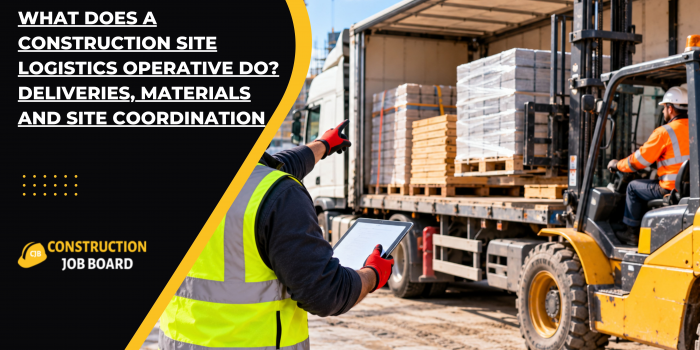
A construction site logistics operative helps manage the movement, receipt, storage and distribution of materials and equipment on a construction site. The role supports construction teams by helping ensure deliveries arrive at the appropriate time, materials are directed to the correct locations, storage areas remain organised and access routes are kept clear.
Construction site logistics operatives may work on housing developments, commercial buildings, infrastructure projects, refurbishment sites and large construction developments. Depending on the employer, duties can range from checking deliveries and moving materials to updating stock records and assisting with site logistics coordination.
Effective logistics helps construction projects operate efficiently. Poorly organised deliveries, missing materials and blocked access routes can disrupt planned work, create safety risks and increase costs.
What Are the Main Responsibilities of a Construction Site Logistics Operative?
The responsibilities of a construction site logistics operative vary according to the project, site layout and employer. Common duties include:
- Managing deliveries: Helping organise incoming deliveries of building materials, equipment and construction supplies.
- Checking incoming materials: Comparing delivered items with delivery notes and reporting missing, damaged or incorrect goods.
- Organising storage areas: Helping ensure materials are stored in designated locations and can be identified when required.
- Supporting material distribution: Directing materials to appropriate work areas in accordance with site procedures.
- Maintaining clear access routes: Helping keep designated pedestrian routes, delivery areas and emergency exits unobstructed.
- Monitoring stock: Recording material movements and informing supervisors when supplies are running low.
- Communicating with site teams: Liaising with delivery drivers, suppliers, subcontractors, supervisors and other site personnel.
- Following safety procedures: Complying with site rules, manual-handling requirements and instructions for vehicle movements and unloading.
On a large construction project, logistics activities may be overseen by a logistics coordinator or site logistics manager. An operative generally supports the agreed logistics arrangements and reports problems to the appropriate supervisor.
Why Is Site Logistics Important in Construction?
Construction projects depend on materials and equipment being available when different trades need them. If supplies arrive late, are stored incorrectly or cannot be located, planned work may be delayed.
Good site logistics can help construction teams:
- Reduce unnecessary waiting for materials.
- Improve the organisation of deliveries and storage.
- Minimise congestion around site entrances and unloading areas.
- Reduce the risk of materials being damaged, lost or wasted.
- Maintain safer routes for workers, visitors and delivery drivers.
- Improve communication between suppliers, contractors and site teams.
For example, a residential development may require bricks, timber, insulation, plasterboard and finishing products at different stages. A logistics operative can help check deliveries, direct materials to designated storage areas and inform the relevant team that supplies have arrived.
The process depends on the construction programme, available storage space, delivery schedules and site-specific safety procedures.
What Skills Does a Construction Site Logistics Operative Need?
Employers commonly look for practical ability, reliability and a willingness to follow site procedures. Previous construction experience may be useful, but requirements differ between vacancies.
Organisation and time management
Operatives need to keep track of deliveries, storage locations and changing priorities. Strong organisational skills help prevent materials from being misplaced or sent to the wrong work area.
Communication and teamwork
The role involves communicating with delivery drivers, suppliers, supervisors and tradespeople. Clear communication helps teams respond to delivery changes, shortages and unexpected problems.
Health and safety awareness
Construction sites can involve moving vehicles, lifting operations, uneven surfaces and restricted access areas. Operatives must follow site instructions, use designated routes and report unsafe conditions.
Attention to detail
Checking delivery notes, identifying damaged goods and maintaining accurate records can prevent material shortages and avoidable costs.
Problem-solving
Delivery delays, incorrect quantities and limited storage space can affect site operations. The ability to identify problems and inform the right person promptly is valuable.
Physical capability
Some roles involve walking around large sites, standing for extended periods or handling materials. Workers should follow approved manual-handling procedures and use suitable mechanical assistance where required.
What Qualifications or Cards Are Needed for Construction Logistics Jobs?
There is no single qualification required for every construction site logistics operative position in the UK. Requirements depend on the work, employer, site-access arrangements and level of responsibility.
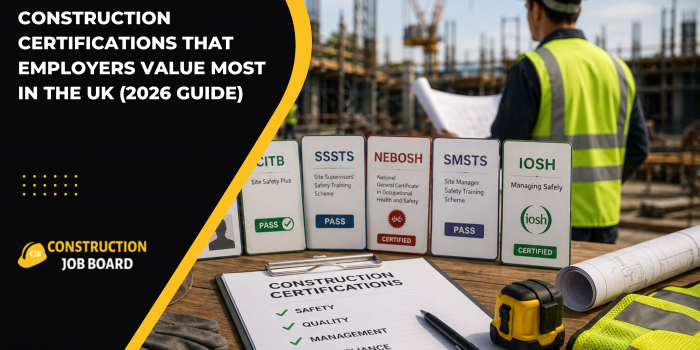
A CSCS card may be required for certain site-based roles where it is relevant to the work and the employer's requirements. Applicants should check the vacancy and confirm the appropriate card category and eligibility criteria before applying.
Other useful training or experience may include:
- Relevant construction health and safety training.
- Manual-handling training appropriate to the duties.
- Experience in goods receiving, stock control or materials handling.
- Familiarity with delivery records and digital stock systems.
- A driving licence where driving is part of the advertised role.
- Specific equipment training when the job requires operation of relevant machinery.
Workers must not operate forklifts, lifting equipment or other specialist machinery unless they have the necessary training and authorisation.
Before paying for a course or card, candidates should check the vacancy requirements and verify the relevant training or certification route.
Where Do Construction Site Logistics Operatives Work?
Construction site logistics jobs are available across different types of projects.
Residential construction: Housing developments and apartment projects require deliveries of structural materials, insulation, fixtures and finishing products.
Commercial construction: Office buildings, retail developments and large commercial projects may have strict delivery schedules and limited unloading space.
Infrastructure projects: Transport, utilities and civil engineering projects can involve multiple work areas, large material movements and complex access arrangements.
Refurbishment projects: Existing buildings may have restricted access and limited storage, making delivery coordination particularly important.
Large developments: Projects involving several contractors may need carefully planned deliveries to reduce congestion and prevent work areas from becoming obstructed.
The day-to-day work differs between sites. Some vacancies focus on physical operations, while others combine materials handling with record keeping and coordination.
How Can You Start a Career in Construction Site Logistics?
There are several potential entry routes into construction logistics, depending on the vacancy and your existing skills.
1. Search for entry-level vacancies
Look for titles such as construction logistics operative, site logistics operative, construction site operative, materials operative and delivery operative. Similar job titles can involve different duties, so read the job description carefully.
2. Use transferable experience
Experience in warehousing, stock control, goods receiving, delivery handling or construction labouring can be relevant. Highlight how these responsibilities demonstrate organisation, reliability, safety awareness and communication.
3. Complete relevant training
Check the employer's requirements for site access, health and safety training, manual handling and any equipment-related duties. Avoid assuming that every vacancy requires the same cards or qualifications.
4. Develop digital skills
Some construction sites use spreadsheets, stock-management systems, delivery booking platforms or digital construction tools. Basic digital skills can help with recording deliveries and tracking materials.
5. Prepare a role-specific CV
Include relevant responsibilities and practical examples. For instance, describe experience checking incoming goods, maintaining stock records, coordinating deliveries or reporting discrepancies. Do not claim experience or qualifications you do not have.
What Career Progression Is Available in Construction Logistics?
With suitable experience, workers may be able to progress into more specialised or senior positions. Opportunities depend on performance, training, employer structure and available vacancies.
Potential progression routes include:
- Senior logistics operative: Supporting more complex delivery, storage and material-distribution activities.
- Site logistics coordinator: Helping plan delivery schedules, access arrangements and material movements.
- Materials coordinator: Monitoring stock, recording material requirements and supporting distribution.
- Logistics supervisor: Coordinating daily activities and supporting the logistics team.
- Site logistics manager: Overseeing broader logistics planning and operations on larger construction projects.
Some workers may also move into materials management, procurement support or general site supervision after developing relevant skills.
Progression into coordination and management typically requires stronger planning, communication, record-keeping and problem-solving abilities. Additional training or relevant experience may also be expected.
How Can You Find Construction Site Logistics Operative Jobs in the UK?
When searching for construction site logistics operative jobs, use several related search terms because employers do not always use identical job titles.
Useful searches include:
- Construction site logistics operative jobs
- Site logistics coordinator jobs
- Construction materials operative jobs
- Construction delivery operative jobs
- Construction site operative jobs
- Construction logistics supervisor jobs
Review each vacancy for its location, duties, employment type, experience requirements, training and site-access conditions.
Your CV should highlight relevant skills such as delivery coordination, materials handling, stock control, safety awareness, record keeping and communication. Practical examples can help employers understand how your experience relates to the position.
You can also search Construction Job Board UK for relevant construction vacancies and filter your search by location and role where those options are available.
Key Takeaways
- A construction site logistics operative helps organise deliveries, materials, storage areas and site access.
- The role supports construction teams by helping ensure materials are available when required.
- Organisation, communication, teamwork and health and safety awareness are important.
- CSCS card and qualification requirements vary by role and employer.
- Experience in warehousing, stock control, delivery handling or construction can provide transferable skills.
- Career progression may lead to logistics coordination, materials management or supervisory roles.
Frequently Asked Questions
1. What does a construction site logistics operative do?
A construction site logistics operative supports the receipt, storage and movement of materials and equipment. Duties may include checking deliveries, organising storage areas, monitoring stock and communicating with construction teams.
2. Do you need a CSCS card to work in construction site logistics?
Some employers and construction sites require an appropriate CSCS card for particular site-based roles. Requirements vary according to the duties and site-access arrangements, so candidates should check the vacancy before applying.
3. Can you become a construction logistics operative without experience?
Some entry-level vacancies may accept candidates with transferable experience in warehousing, stock control, goods receiving or delivery handling. Previous construction experience may be preferred or required for other positions.
4. What skills are important for construction logistics jobs?
Important skills include organisation, communication, teamwork, attention to detail, record keeping and health and safety awareness. Some positions also require experience with digital stock systems or specific equipment training.
5. What jobs can you progress to from construction site logistics?
Depending on experience and available opportunities, progression may include senior logistics operative, site logistics coordinator, materials coordinator, logistics supervisor or site logistics manager.