16/10/2026
What Does a Slinger Signaller Do? Lifting Operations, Skills and Qualifications
What Does a Slinger Signaller Do?
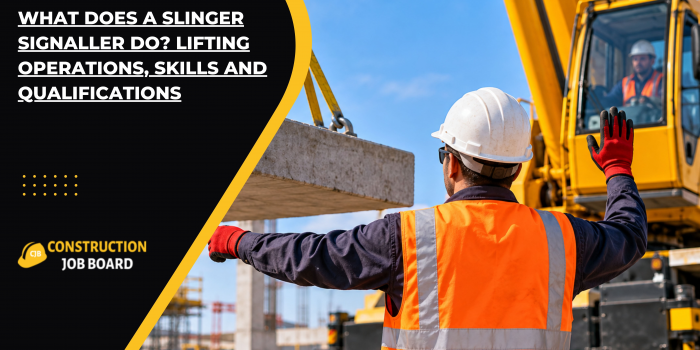
A slinger signaller is a trained construction worker who helps prepare loads for lifting and communicates with crane operators during lifting operations. The role includes selecting and attaching suitable lifting accessories, checking load security within their competence, and using agreed signals or communication systems to guide the movement of loads.
In the UK, slinger signallers support construction projects involving cranes, hoists and other lifting equipment. They may work on housing developments, commercial buildings, civil engineering projects, industrial sites and infrastructure schemes.
People searching for slinger signaller jobs in the UK should understand that this is a safety-critical role. Workers must have the appropriate training, follow the lifting plan and work within their competence. The job is not simply about attaching chains or directing a crane; it requires careful communication, hazard awareness and an understanding of safe lifting procedures.
What Are the Main Duties of a Slinger Signaller?
A slinger signaller's duties vary according to the lifting equipment, load and project requirements. Common responsibilities include:
- Preparing loads for lifting in accordance with the lifting plan and instructions.
- Selecting and using suitable lifting accessories for the assigned task.
- Attaching and detaching slings, shackles and other approved accessories.
- Checking equipment for visible defects and reporting concerns.
- Communicating with the crane operator using agreed hand signals or radio systems.
- Helping maintain control of the lifting area and exclusion zones.
- Monitoring the load and surrounding environment during a lift.
- Ensuring people remain clear of suspended loads.
- Following site procedures and instructions from the appointed lifting team.
- Reporting changes in conditions that could make a lift unsafe.
Slinger signallers must not exceed their training or make unauthorised changes to a lifting plan. If a load, lifting accessory or site condition appears unsafe, the operation should be stopped in accordance with the site's procedures.
Where Do Slinger Signallers Work in the UK?
Slinger signallers work wherever lifting operations are part of construction or industrial activity.
Residential developments: Cranes may lift structural components, building materials and prefabricated elements on housing and apartment projects.
Commercial construction: Offices, retail developments and large buildings may require coordinated lifting of steelwork, concrete components and materials.
Civil engineering projects: Bridges, roads, rail projects and other infrastructure schemes may involve complex lifting operations.
Industrial construction: Factories, warehouses and industrial facilities may use lifting equipment to position machinery, structural components and heavy materials.
Modular construction: Prefabricated building sections and modules may require carefully planned lifting and positioning.
The type of work and equipment varies by project. Some vacancies focus on general construction lifts, while others require experience in specialist or complex lifting environments.
What Skills Do You Need to Become a Slinger Signaller?
The role requires practical knowledge, clear communication and consistent attention to safety.
Communication skills: Slinger signallers must communicate clearly with crane operators and other members of the lifting team.
Hazard awareness: Workers need to recognise risks involving suspended loads, nearby structures, people, equipment and changing site conditions.
Attention to detail: The correct lifting accessories and methods must be used in accordance with the lifting plan and the load's characteristics.
Situational awareness: Workers must monitor the load path and surrounding area without placing themselves or others in danger.
Teamwork: Lifting operations depend on coordinated actions by the operator, slinger signaller, appointed person and other relevant personnel.
Understanding of equipment: Workers need to recognise defects and know when lifting accessories should be removed from use and reported.
Physical fitness may be helpful, but safe working practices, training and competence are central to the role.
What Qualifications Do You Need to Become a Slinger Signaller in the UK?
There is no single qualification that applies to every lifting-related job. Employers typically require appropriate training and evidence of competence for the equipment and tasks involved.
Depending on the role, relevant routes may include:
- A recognised slinger signaller training course.
- A relevant CPCS or NPORS card, where accepted and appropriate for the job.
- Site-specific induction and lifting-operation instruction.
- Practical assessment and evidence of competence.
- Additional training for particular lifting environments or equipment.
CPCS stands for the Construction Plant Competence Scheme. NPORS is another recognised construction plant and operator training and registration scheme. The appropriate category and card requirements depend on the role and employer.
Candidates should check the exact qualification, category and card requirements in each vacancy. A training certificate or card should not be assumed to cover every type of lifting operation.
New entrants should look for employers or training providers that explain the practical experience, assessment and renewal requirements associated with their chosen route.
Why Is Safety Important During Lifting Operations?
Lifting operations can create serious risks, including falling loads, crushing injuries, equipment failure and collisions with structures or people. Good planning and communication help control these hazards.
Important safety practices include:
- Following the approved lifting plan and site procedures.
- Using suitable lifting accessories that are in good condition.
- Ensuring loads are attached and secured using the planned method.
- Maintaining exclusion zones around lifting operations.
- Using agreed hand signals or radio communication.
- Stopping the lift if communication is lost or conditions become unsafe.
- Keeping clear of suspended loads and potential trapping points.
- Reporting damaged equipment, unstable loads or unexpected obstructions.
- Considering site conditions and other work taking place nearby.
Under UK lifting-equipment requirements, lifting operations must be properly planned by a competent person, appropriately supervised and carried out safely. The level of planning and supervision should reflect the complexity and risks of the lift.
A slinger signaller is an important part of the lifting team, but the role does not replace the responsibilities of the appointed person or other competent personnel involved in planning and managing the operation.
What Is the Career Progression for a Slinger Signaller?
Slinger signaller work can provide a route into wider construction plant and lifting operations.
Trainee or newly qualified slinger signaller: Develops practical skills, learns site procedures and gains experience under appropriate supervision.
Slinger signaller: Carries out assigned lifting-support duties within their competence and the requirements of the lifting plan.
Experienced lifting operative: May gain experience across different equipment, loads and project environments, subject to suitable training and assessment.
Crane operator: Some workers may pursue the additional training, qualifications and assessment required to operate particular types of cranes.
Lifting supervisor or appointed person: With suitable experience and further training, workers may progress into supervisory or lifting-planning responsibilities. These positions have distinct competence requirements and are not automatic promotions from slinger signaller work.
Career progression depends on training, experience, employer opportunities and the specific lifting activities undertaken.
What Should You Include When Applying for Slinger Signaller Jobs?
A strong CV should make your lifting-related experience and qualifications easy for employers to identify.
Include:
- Your relevant slinger signaller training and current cards.
- The CPCS or NPORS category held, where applicable.
- Experience with lifting accessories and communication methods.
- The types of construction or industrial projects you have worked on.
- Knowledge of exclusion zones, lifting plans and site safety procedures.
- Relevant experience working alongside crane operators or lifting teams.
- Your availability, preferred locations and willingness to travel, where relevant.
If you are new to the role, explain your training status accurately and look for trainee opportunities where available. Do not claim competence with equipment or lifting tasks that you have not been trained and assessed to undertake.
Where Can You Find Slinger Signaller Jobs in the UK?
Slinger signaller vacancies may be advertised by construction job boards, recruitment agencies, crane and lifting contractors, civil engineering companies and major construction firms.
Before applying, check the required card scheme and category, project location, shift pattern, experience level and whether the role involves specific lifting equipment or specialist work.
Construction Job Board UK can help candidates explore construction vacancies and identify opportunities that match their skills and qualifications.
Key Takeaways
- Slinger signallers prepare loads and communicate with crane operators during lifting operations.
- The role requires appropriate training, practical competence and strong safety awareness.
- CPCS and NPORS routes may be relevant, depending on the vacancy and accepted qualification requirements.
- Workers must follow the lifting plan and never work beyond their competence.
- Career progression may lead to crane operation, lifting supervision or other specialist roles with further training.
- Applicants should clearly state their qualifications, experience and relevant card categories when applying for slinger signaller jobs in the UK.
Frequently Asked Questions About Slinger Signaller Jobs
1. What does a slinger signaller do on a construction site?
A slinger signaller prepares loads for lifting, attaches suitable lifting accessories and communicates with crane operators using agreed signals or communication systems. The worker follows the lifting plan and helps maintain a safe lifting area.
2. Do you need a card to work as a slinger signaller in the UK?
Employers commonly require recognised training and evidence of competence. Depending on the job, they may request a relevant CPCS or NPORS card. Candidates should confirm the specific category and requirements with the employer.
3. What is the difference between CPCS and NPORS?
CPCS and NPORS are separate construction plant training and registration schemes. Which route is suitable depends on the job, required category and employer's acceptance criteria.
4. Can a slinger signaller become a crane operator?
Yes, this may be possible with additional training, practical experience and the relevant qualifications and assessments for the type of crane. A slinger signaller qualification alone does not automatically authorise crane operation.
5. Is slinger signaller work dangerous?
Lifting operations involve risks such as suspended loads, crushing hazards and equipment failure. Appropriate training, planning, supervision, communication and compliance with site safety procedures are essential.