15/10/2026
What Does a Construction Traffic Marshal Do? Responsibilities, Training and Site Safety
What Does a Construction Traffic Marshal Do?
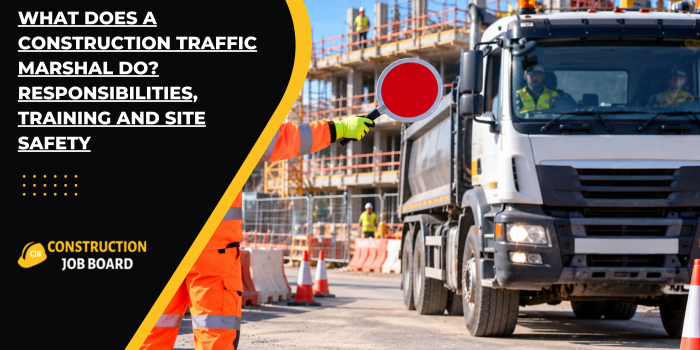
A construction traffic marshal helps manage vehicle movements and pedestrian safety on construction sites. The role involves guiding vehicles into designated areas, assisting drivers with manoeuvres where required, controlling access points and helping reduce the risk of collisions between vehicles, workers and members of the public.
Traffic marshals may also be called vehicle banksmen or banksmen, depending on the employer and the tasks involved. The exact responsibilities vary by site, but the central purpose is to support safe vehicle movement through clear communication and established traffic-management procedures.
People searching for construction traffic marshal jobs in the UK may find opportunities with construction contractors, housebuilders, civil engineering companies, logistics teams and specialist site-service providers.
What Are the Main Duties of a Construction Traffic Marshal?
A traffic marshal's duties depend on the site layout, vehicle types and traffic-management plan. Typical responsibilities include:
- Guiding authorised vehicles through designated site routes.
- Helping drivers manoeuvre into loading, unloading or parking areas when required.
- Monitoring vehicle access and exit points.
- Keeping pedestrians clear of vehicle movement areas.
- Communicating with drivers using agreed signals or communication equipment.
- Following site traffic-management plans and instructions.
- Helping coordinate deliveries with site teams.
- Reporting unsafe vehicle movements, obstructions or damaged access routes.
- Wearing required high-visibility clothing and other personal protective equipment.
- Maintaining awareness of changing site conditions.
Traffic marshals must work within their training and instructions. They should not guide a vehicle from a position where they could be struck or trapped, and they must follow the site's agreed procedures if visibility or communication becomes unsafe.
Where Do Construction Traffic Marshals Work in the UK?
Traffic marshals are used on construction projects where vehicles, deliveries and pedestrian activity need to be managed.
Residential developments: Housebuilding sites often receive deliveries of bricks, timber, plasterboard, plant and other materials. Traffic marshals can help manage access and vehicle movements.
Commercial construction: Offices, retail developments and large buildings may have restricted access points and busy delivery areas.
Civil engineering projects: Roadworks, infrastructure projects and major engineering sites may require coordinated movement of construction vehicles and delivery traffic.
Demolition and site clearance: Vehicles collecting waste or delivering equipment may need controlled access and safe movement through designated routes.
Urban construction sites: Sites in busy towns and cities may have limited space, nearby public roads and pedestrians passing close to construction entrances.
The requirements differ by project. Some positions focus on vehicle manoeuvring, while others include gate duties, delivery coordination or broader site traffic-management responsibilities.
What Skills Do You Need to Become a Traffic Marshal?
A traffic marshal needs to remain alert, communicate clearly and follow site procedures consistently.
Clear communication: Drivers and colleagues must understand instructions, signals and warnings.
Situational awareness: Traffic marshals need to monitor vehicles, pedestrians, blind spots, changing access routes and potential hazards.
Confidence and concentration: The role requires workers to remain attentive during repeated vehicle movements and busy delivery periods.
Understanding of safety procedures: Workers must follow traffic-management plans, exclusion zones and site instructions.
Teamwork: Traffic marshals coordinate with drivers, delivery personnel, security staff and site supervisors.
Reliability: Sites depend on access arrangements being managed consistently throughout the working day.
Experience in construction, logistics, warehousing or vehicle movement may be useful, although employers set their own entry requirements.
What Training or Qualifications Do You Need in the UK?
There is no single qualification required for every traffic marshal vacancy. Requirements depend on the job, employer, vehicle types and construction site.
Employers may request or provide:
- Traffic marshal or vehicle banksman training.
- Site-specific induction and traffic-management instruction.
- Health and safety training relevant to the role.
- A CSCS card or other site-access credential where required by the employer or project.
- Additional training for particular vehicles, equipment or responsibilities.
A CSCS card does not, by itself, prove that someone has completed every form of vehicle banksman training. Candidates should check the vacancy and ask which training or evidence of competence is required.
Training should cover the practical risks of vehicle movement, safe positioning, communication methods, visibility, pedestrian segregation and what to do if a manoeuvre cannot be completed safely.
Why Is Traffic Marshal Safety Important on Construction Sites?
Construction sites can contain reversing vehicles, delivery lorries, mobile plant, restricted routes and workers moving between work areas. Poor coordination can lead to serious injuries.
Important safety principles include:
- Separating pedestrians from vehicle routes wherever reasonably practicable.
- Following the site's traffic-management plan.
- Using agreed communication signals and stopping a manoeuvre if communication is lost.
- Staying out of vehicle blind spots and potential trapping areas.
- Ensuring the driver can see the marshal during guided manoeuvres.
- Keeping access routes clear and reporting hazards.
- Using designated safe positions and appropriate personal protective equipment.
- Following site rules for reversing, loading and unloading.
A traffic marshal should never rely on assumptions about what a driver can see. If the driver loses sight of the marshal or the manoeuvre becomes unsafe, the agreed procedure should be followed to stop and reassess the movement.
Employers must plan and manage workplace transport risks, while workers are expected to follow safety instructions and report hazards.
What Is the Career Progression for a Traffic Marshal?
Traffic marshal work can provide experience in construction logistics and site operations.
Trainee traffic marshal: Learns site access procedures, vehicle signals and basic traffic-management requirements.
Traffic marshal or vehicle banksman: Carries out assigned vehicle-guiding and access-control duties within their training.
Senior traffic marshal: Experienced workers may support the coordination of vehicle movements and help guide newer team members, depending on the employer.
Site logistics operative: Workers may move into broader delivery coordination, materials handling and site logistics roles with relevant experience.
Site supervisor: With additional experience and suitable training, some workers progress into supervisory responsibilities.
Progression depends on competence, additional training, employer opportunities and the type of construction project.
What Should You Include When Applying for Traffic Marshal Jobs?
Your CV should show that you understand the responsibilities of the role and can follow safety procedures.
Include:
- Previous traffic marshal, banksman, construction or logistics experience.
- Relevant traffic marshal or vehicle banksman training.
- Any required site-access card or qualification.
- Experience communicating with drivers and coordinating deliveries.
- Knowledge of pedestrian segregation and safe vehicle movement.
- Experience working around construction vehicles or mobile plant, where relevant.
- Your availability, preferred locations and willingness to work different shifts, if applicable.
If you are new to the role, highlight transferable skills such as communication, alertness, reliability and experience working in busy environments. Apply for entry-level vacancies that provide appropriate training.
Where Can You Find Construction Traffic Marshal Jobs in the UK?
Traffic marshal vacancies may be advertised by construction job boards, recruitment agencies, housebuilders, civil engineering contractors and site logistics companies.
When comparing opportunities, check the location, shift pattern, required training, site-access requirements and whether the role includes vehicle manoeuvring, gate duties or delivery coordination.
Construction Job Board UK can help candidates explore construction vacancies and identify opportunities suited to their experience.
Key Takeaways
- Construction traffic marshals help manage vehicle movements and protect pedestrians on site.
- Duties may include guiding vehicles, managing access points and coordinating deliveries.
- Training requirements vary by employer, site and the responsibilities of the role.
- Clear communication, situational awareness and consistent safety practices are essential.
- Experience can lead to site logistics, senior operational or supervisory roles.
- Applicants should clearly state their relevant training, experience and site credentials when applying for traffic marshal jobs in the UK.
Frequently Asked Questions About Construction Traffic Marshal Jobs
1. What does a construction traffic marshal do?
A construction traffic marshal helps manage vehicle movements, guide drivers during designated manoeuvres and reduce risks to pedestrians and workers on construction sites.
2. Is a traffic marshal the same as a banksman?
The terms are sometimes used interchangeably, particularly for workers guiding vehicles. However, job titles and responsibilities vary between employers, so applicants should check the duties listed in each vacancy.
3. Do you need training to become a traffic marshal?
Employers may require traffic marshal or vehicle banksman training and usually provide site-specific instructions. The exact requirements depend on the role and employer.
4. Do traffic marshals need a CSCS card?
Some construction sites require a CSCS card or another accepted site-access credential. Requirements vary, and a CSCS card does not automatically replace role-specific traffic marshal training.
5. Where can I find traffic marshal jobs in the UK?
You can search construction job boards, recruitment agencies, construction contractors and site logistics companies. Check each vacancy for its location, shift pattern and required training.