15/10/2026
What Does a Demolition Operative Do? Site Preparation, Skills and Training
What Does a Demolition Operative Do?
A demolition operative helps dismantle buildings, remove structural and non-structural materials, clear construction sites and prepare locations for redevelopment. In the UK, demolition operatives may work on residential properties, commercial buildings, industrial facilities and infrastructure projects.
The role can involve manual dismantling, removing debris, separating materials for recycling and assisting specialist demolition teams. The tasks assigned to each worker depend on the building, the demolition method, site conditions, training and level of competence.
People searching for demolition operative jobs in the UK may find opportunities with demolition contractors, construction companies, site clearance businesses and firms specialising in building refurbishment or redevelopment.
Demolition is a safety-critical activity. Work must be properly planned, and operatives should only undertake tasks for which they are trained, instructed and competent.
What Are the Main Duties of a Demolition Operative?
A demolition operative's responsibilities depend on the project and the demolition method being used. Common duties include:
- Removing designated non-structural materials under the approved work plan.
- Assisting with the dismantling of building components.
- Clearing debris and moving materials to designated collection areas.
- Separating suitable materials for reuse or recycling.
- Supporting site preparation and clearance activities.
- Using hand tools and approved equipment within their competence.
- Following instructions from demolition supervisors and site managers.
- Identifying and reporting unexpected materials, structural concerns or unsafe conditions.
- Following site access controls, exclusion zones and emergency procedures.
- Keeping work areas organised and following safe manual-handling practices.
Not every demolition operative carries out structural demolition. Activities such as specialist dismantling, work involving hazardous materials and operating heavy demolition machinery may require additional training, authorisation or specialist contractors.
Where Do Demolition Operatives Work in the UK?
Demolition operatives work on projects across the construction and property sectors.
Residential redevelopment: Older houses, flats and other residential buildings may need partial or complete demolition before new construction begins.
Commercial properties: Offices, shops, warehouses and other commercial premises may require dismantling or clearance before refurbishment or redevelopment.
Industrial sites: Factories and industrial facilities may need specialist dismantling when equipment, structures or buildings reach the end of their use.
Infrastructure projects: Demolition and dismantling can form part of transport, utilities and wider infrastructure works.
Refurbishment and strip-out projects: Operatives may remove internal fittings, partitions and other designated components before a building is renovated.
The nature of the work varies significantly. Some positions focus on internal strip-out and manual clearance, while others involve larger demolition sites and specialist operations.
What Skills Do You Need to Become a Demolition Operative?
Demolition work requires practical skills, communication and a strong understanding of site safety.
Safety awareness: Workers must follow risk assessments, method statements, exclusion zones and instructions from supervisors.
Physical fitness: Some tasks involve standing for long periods, moving materials and carrying out manual work. Safe handling methods and appropriate equipment remain essential.
Teamwork: Demolition projects involve coordinated activities, and workers need to communicate clearly with supervisors and colleagues.
Attention to detail: Operatives must recognise when materials or conditions differ from the planned work and report concerns promptly.
Equipment awareness: Workers need to understand the safe use of the tools and equipment assigned to them.
Reliability: Site teams depend on workers following instructions, arriving prepared and respecting site procedures.
Previous construction or site clearance experience may be useful, but entry requirements vary between employers.
What Qualifications Do You Need to Become a Demolition Operative in the UK?
There is no single qualification that applies to every demolition role. Some employers recruit entry-level workers and provide supervised training, while other vacancies require relevant experience or specific industry credentials.
Potential routes into the occupation include:
- Entry-level employment with a demolition contractor.
- Employer-provided training and supervised practical experience.
- Relevant construction or demolition training courses.
- An apprenticeship or vocational training route where available.
- Site safety training and the card or evidence of competence required for the particular role.
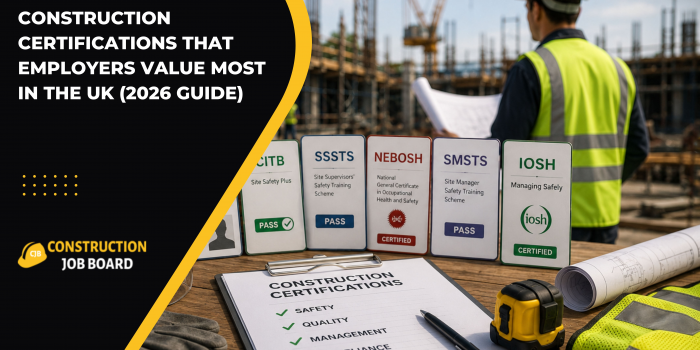
The Construction Skills Certification Scheme (CSCS) and demolition-specific card schemes may be relevant, depending on the employer, task and project. For certain demolition roles, employers may require a card from the Construction Skills Certification Scheme for Demolition (CCDO).
Applicants should verify current card and training requirements with the employer and relevant scheme provider. A general site card should not be assumed to authorise specialist demolition activities.
Why Is Safety So Important in Demolition Work?
Demolition can expose workers and the public to serious hazards, including falling materials, structural instability, dust, noise, hazardous substances and moving machinery.
Important safety practices include:
- Following the approved demolition plan and site instructions.
- Respecting exclusion zones and controlled access areas.
- Wearing the protective equipment specified for the task.
- Using tools and machinery only when trained and authorised.
- Following dust-control measures and suitable respiratory protection requirements.
- Reporting unexpected structural movement or unidentified materials.
- Keeping clear of machinery operating areas and suspended loads.
- Following emergency procedures and communicating hazards promptly.
Buildings may contain asbestos or other hazardous materials. Workers should never disturb suspected asbestos-containing materials. Work must stop and the concern must be reported so the material can be assessed and managed by appropriately competent people.
Demolition work also requires proper consideration of structural stability, utilities and neighbouring buildings. These matters must be addressed by competent professionals as part of the planning process.
What Is the Career Progression for a Demolition Operative?
Demolition can provide a route into a range of construction and specialist site roles.
Trainee demolition operative: Learns site rules, material handling and basic tasks under supervision.
Demolition operative: Carries out assigned dismantling, clearance and demolition-support tasks within their competence.
Experienced or specialist operative: May develop expertise in particular dismantling methods, equipment or types of projects after suitable training.
Demolition supervisor: Coordinates work teams, monitors site activities and helps ensure that operations follow the demolition plan and safety requirements.
Demolition manager or contractor: With suitable experience and further development, workers may move into project planning, operations management or running a specialist business.
Progression depends on experience, competence, training and opportunities within the employer or wider construction industry.
What Should You Include When Applying for Demolition Operative Jobs?
A clear CV helps employers assess whether your experience matches the tasks and safety requirements of a vacancy.
Include:
- Previous demolition, construction, strip-out or site clearance experience.
- The types of projects you have worked on.
- Relevant training, site cards and qualifications.
- Experience using tools or equipment, where applicable.
- Knowledge of site safety procedures and safe material handling.
- Experience working as part of a site team.
- Your availability, preferred work locations and willingness to travel, if relevant.
If you have no demolition experience, highlight transferable construction skills and any relevant training. Apply for vacancies that accept entry-level candidates and provide appropriate supervision.
Never claim to hold a demolition card or specialist qualification unless it is valid and applicable to the role.
Where Can You Find Demolition Operative Jobs in the UK?
You can search for demolition operative vacancies through construction job boards, specialist demolition contractors, recruitment agencies and construction company career pages.
Before applying, check whether the role involves internal strip-out, site clearance, structural demolition or specialist dismantling. These activities can have different experience, training and qualification requirements.
Review the location, working hours, employment type, required cards and experience level. Construction Job Board UK can help candidates explore relevant construction vacancies and compare opportunities.
Suggested internal links for Construction Job Board UK:
- Construction jobs in the UK — link to the main jobs page.
- Construction labourer jobs — link to the relevant category, if available.
- Plant operator jobs — link to the relevant category, if available.
- Construction jobs by location — link to relevant city or location pages.
Only use links to pages that already exist on the website.
Key Takeaways
- Demolition operatives help dismantle buildings, remove materials and prepare sites for redevelopment.
- Duties vary from internal strip-out and clearance to supporting specialist demolition activities.
- Employers may require role-specific training, site cards and evidence of competence.
- Demolition work requires careful planning, strict safety procedures and clear communication.
- Career progression may lead to specialist operations, supervision or demolition management.
- Applicants should clearly describe their experience, qualifications and safety training when applying for demolition operative jobs in the UK.
Frequently Asked Questions About Demolition Operative Jobs
1. What does a demolition operative do?
A demolition operative helps dismantle building components, remove designated materials, clear debris and prepare sites for redevelopment. Duties depend on the project and the worker's training and competence.
2. Do you need qualifications to become a demolition operative?
Requirements vary. Some entry-level roles provide supervised training, while others require relevant experience, site safety credentials or demolition-specific qualifications.
3. What is a CCDO card?
CCDO refers to the Construction Skills Certification Scheme for Demolition. It is a demolition-industry card scheme associated with training and competence requirements for relevant roles. Candidates should check the current requirements for their intended job.
4. Can you become a demolition operative without experience?
Some employers recruit entry-level workers and provide training under supervision. Candidates should look for vacancies that clearly state their entry requirements and training arrangements.
5. Is demolition work dangerous?
Demolition can involve serious hazards, including falling materials, structural instability, dust and machinery. Proper planning, competent supervision, training and compliance with safety procedures are essential.