14/10/2026
What Does a Dryliner Do? Interior Construction Work, Skills and Qualifications
What Does a Dryliner Do?
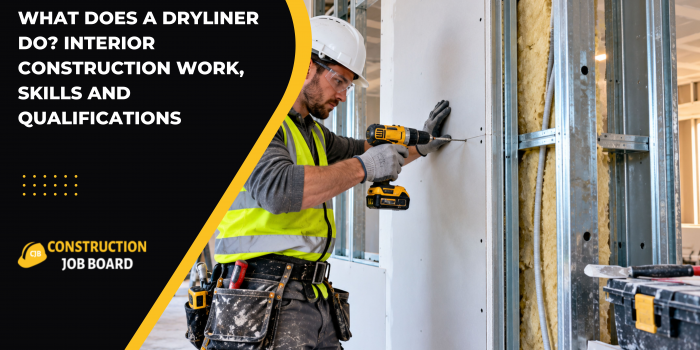
A dryliner is a construction worker who installs plasterboard and related interior wall and ceiling systems in residential, commercial and other buildings. Dryliners help create internal walls, partitions, suspended ceilings and dry-lined surfaces that are ready for finishing.
Unlike traditional wet plastering, drylining generally uses plasterboard fixed to timber or metal framing, or attached to suitable surfaces using an approved fixing method. The work requires accurate measuring, cutting, fixing and an understanding of construction drawings and site safety procedures.
People searching for dryliner jobs in the UK may find opportunities with specialist drylining contractors, housebuilders, commercial construction companies and refurbishment businesses.
What Are the Main Duties of a Dryliner?
A dryliner's duties vary according to the project, materials and level of experience. Common responsibilities include:
- Measuring and marking walls, ceilings and partition layouts.
- Cutting plasterboard and other approved lining materials to the required dimensions.
- Installing plasterboard on suitable timber or metal frameworks.
- Fixing boards using the specified screws, fixings or adhesive systems.
- Installing or assisting with partition and suspended ceiling systems.
- Working from construction drawings and site instructions.
- Checking surfaces, joints and board alignment for accuracy.
- Coordinating with electricians, plumbers, joiners and other trades.
- Handling materials safely and keeping work areas organised.
- Following site safety procedures and reporting damaged materials or unsafe conditions.
Dryliners must also understand when work requires coordination with other trades. For example, service routes, insulation and fire-stopping requirements may need to be addressed before a wall or ceiling is closed.
Where Do Dryliners Work in the UK?
Dryliners work on many types of construction and refurbishment projects.
Residential construction: Housebuilders and contractors use dryliners to create internal walls and ceilings in houses, flats and housing developments.
Commercial buildings: Offices, retail units, hotels and other commercial properties may require partition systems, ceiling installations and internal wall linings.
Public buildings: Schools, healthcare facilities and other public buildings can require specialist internal systems that meet project-specific acoustic, fire and performance requirements.
Refurbishment projects: Dryliners may replace damaged boards, update room layouts or install new internal systems in existing buildings.
New-build developments: Large construction projects may employ drylining teams to complete multiple floors or buildings according to the construction programme.
The availability of work depends on local building activity, project schedules and the systems used by individual contractors.
What Skills Do You Need to Become a Dryliner?
Drylining requires practical ability, precision and an understanding of how internal building systems fit together.
Measuring and cutting: Dryliners need to measure accurately and cut boards to suit walls, ceilings, openings and other details.
Attention to detail: Correct board positioning and fixing help achieve the required finish and support the performance of the specified system.
Drawing interpretation: The ability to follow layouts, dimensions and installation instructions is useful, especially on larger projects.
Manual handling: The job can involve lifting and positioning large or heavy boards, so safe handling techniques are important.
Teamwork: Dryliners regularly coordinate with other trades and supervisors to keep work moving in the correct sequence.
Safety awareness: Workers must understand site rules, use suitable equipment and follow safe procedures when working with tools and construction materials.
Experience with metal framing, suspended ceilings or specialist partition systems may help candidates qualify for a wider range of vacancies.
What Qualifications Do You Need to Become a Dryliner in the UK?
A university degree is not normally required to enter drylining. Common routes include an apprenticeship, college-based training or supervised on-the-job experience with a construction employer.
Depending on the employer and role, candidates may benefit from:
- A relevant drylining or interior systems qualification.
- An apprenticeship or recognised vocational training.
- Practical experience installing plasterboard and partition systems.
- Appropriate construction site safety training.
- A CSCS card or other accepted evidence of site access eligibility, where required by the employer or project.
Requirements differ between employers and sites. Candidates should check the exact qualifications requested in each vacancy rather than assume that one card or certificate is accepted everywhere.
New entrants should look for trainee dryliner roles or apprenticeships that provide structured learning and practical supervision.
Why Are Safety and Building Standards Important in Drylining?
Drylining is part of the internal construction process, but incorrect installation can affect the performance of a building system.
Important considerations include:
- Using the specified boards, framing and fixings.
- Following the system manufacturer's installation instructions.
- Handling plasterboard safely and using suitable lifting equipment where necessary.
- Controlling dust and using appropriate protective equipment when cutting or working with materials.
- Coordinating electrical, plumbing and other services before enclosing walls and ceilings.
- Following project requirements for fire resistance, acoustic performance and insulation.
- Reporting damaged materials or installation problems before work continues.
Fire-rated and acoustic systems must be installed according to their specified designs. Substituting materials or making unauthorised changes can compromise performance.
Workers should also follow site risk assessments, method statements and instructions from competent supervisors.
What Is the Career Progression for a Dryliner?
Drylining can provide a route into specialist interior construction and supervisory work.
Trainee dryliner: Learns basic measuring, cutting, fixing and safe material handling under supervision.
Drylining operative: Carries out routine installation tasks within their training and competence.
Experienced dryliner: Takes on more complex layouts, partition systems, ceiling installations or specialist work.
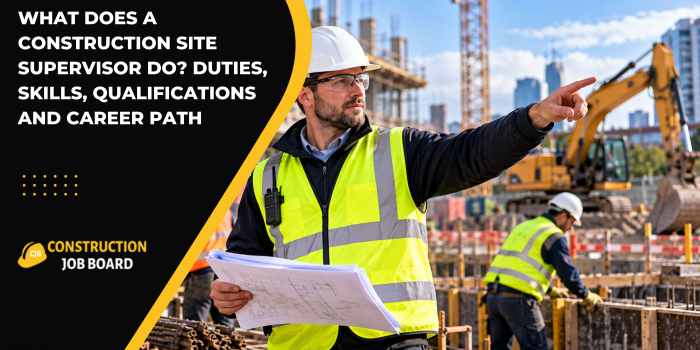
Drylining supervisor: Coordinates teams, monitors progress and helps ensure that work follows the project requirements.
Drylining estimator or project manager: Experienced workers may move into estimating, planning, procurement, subcontractor coordination or project delivery with suitable additional skills.
Progression depends on practical experience, training, the complexity of projects and the opportunities available with an employer.
What Should You Include When Applying for Dryliner Jobs?
A clear CV can help employers understand your experience and suitability for a drylining vacancy.
Include:
- Your drylining or plasterboard installation experience.
- Types of projects completed, such as residential, commercial or refurbishment work.
- Experience with metal framing, partitions or suspended ceilings, where relevant.
- Knowledge of measuring, cutting, fixing and finishing preparation.
- Relevant qualifications, training and site cards.
- Your understanding of safe material handling and site procedures.
- Your availability, preferred location and willingness to travel, if applicable.
If you are new to the trade, highlight relevant practical experience, construction training and your interest in learning through an apprenticeship or trainee position. Do not claim qualifications or specialist experience you do not have.
Where Can You Find Dryliner Jobs in the UK?
You can search for dryliner vacancies through construction job boards, recruitment agencies, specialist interior contractors and housebuilders' career pages.
Before applying, review the job location, required experience, employment type, working hours and any requested qualifications or site cards. Some vacancies may focus on residential developments, while others require experience with commercial partitions or specialist ceiling systems.
Construction Job Board UK can be used to explore relevant construction vacancies and identify roles that match your experience.
Key Takeaways
- Dryliners install plasterboard, internal partitions, wall linings and ceiling systems.
- The role involves accurate measuring, cutting, fixing and coordination with other trades.
- Apprenticeships, vocational training and supervised experience are possible entry routes.
- Site card and qualification requirements vary by employer and project.
- Experienced dryliners may progress into specialist installation, supervision or project-related roles.
- A strong application should clearly explain practical experience, training and relevant site qualifications.
Frequently Asked Questions About Dryliner Jobs
1. What does a dryliner do in the UK?
A dryliner installs plasterboard and interior wall and ceiling systems in buildings. The work can include partitions, wall linings and suspended ceilings, depending on the project.
2. Do you need qualifications to become a dryliner?
A university degree is not normally required. Employers may accept apprenticeship training, vocational qualifications or supervised practical experience, depending on the position.
3. Is drylining the same as plastering?
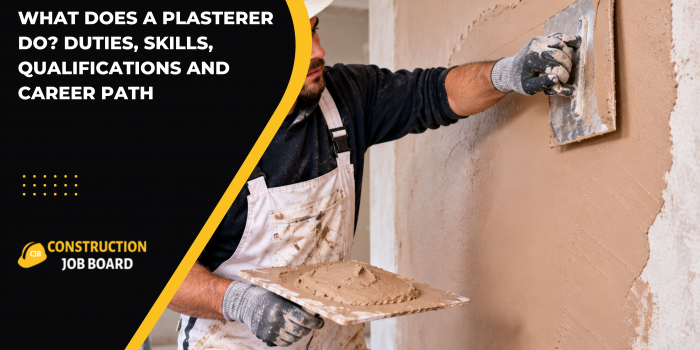
No. Drylining generally involves installing plasterboard and internal lining systems, while plastering involves applying plaster or other finishing materials to surfaces. Some projects require both trades.
4. Can you become a dryliner without experience?
Yes. Some employers offer trainee roles or apprenticeships. Candidates should look for opportunities that provide practical training and supervision.
5. Where can I find dryliner jobs in the UK?
You can search construction job boards, recruitment agencies and specialist drylining contractors. Check each vacancy for its location, experience requirements and requested qualifications.