14/10/2026
What Does a Scaffolder Do? Construction Duties, Training and Career Progression
What Does a Scaffolder Do?
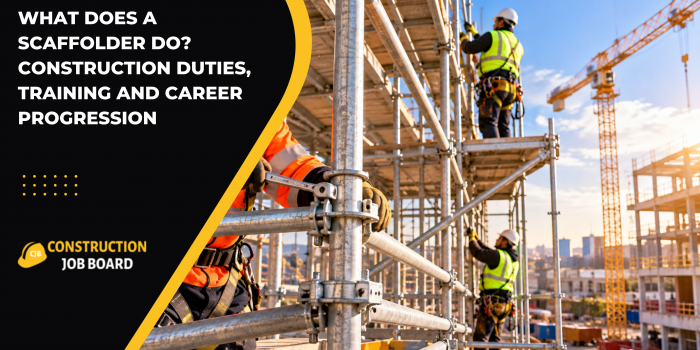
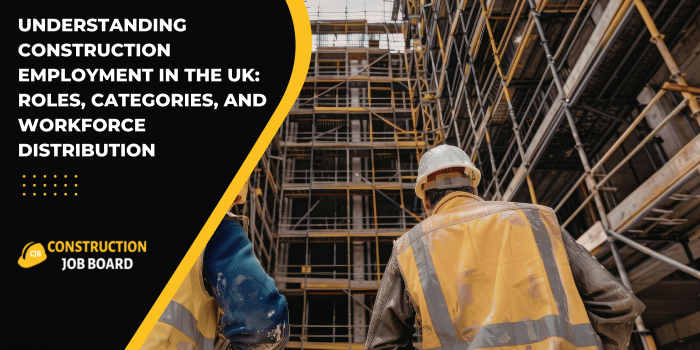
A scaffolder is a construction professional who assembles, alters and dismantles temporary structures that allow workers to access buildings and other structures safely at height. In the UK, scaffolders support construction, maintenance, refurbishment, roofing and infrastructure projects by providing suitable working platforms and access systems.
Scaffolding is used on residential developments, commercial buildings, industrial facilities and major infrastructure sites. The role requires practical construction skills, an understanding of safety procedures, physical fitness and the ability to work as part of a coordinated site team.
People searching for scaffolder jobs in the UK may find opportunities with specialist scaffolding contractors, construction companies, industrial maintenance businesses and infrastructure contractors.
What Are the Main Duties of a Scaffolder?
A scaffolder's responsibilities depend on the project, the type of scaffold and their level of experience. Common duties include:
- Assembling scaffold tubes, fittings, boards and other components according to the required design and instructions.
- Installing working platforms, guardrails, access ladders and other protective components.
- Altering scaffolding as construction work progresses, where authorised and properly planned.
- Dismantling scaffolding safely when it is no longer required.
- Checking materials for visible damage and reporting defective components.
- Following site-specific risk assessments, method statements and safety procedures.
- Coordinating with site managers, supervisors and other trades.
- Keeping work areas organised and following procedures for handling and storing equipment.
Scaffolders must understand that scaffolding is a safety-critical structure. Work should follow the approved design or applicable recognised standard, with inspection and handover procedures completed by competent people as required.
Where Do Scaffolders Work in the UK?
Scaffolders work across several areas of the construction and maintenance industry.
Residential construction: Scaffolders provide access for bricklayers, roofers, painters and other trades working on houses, flats and housing developments.
Commercial construction: Offices, retail developments, schools and other commercial buildings may require scaffolding during construction, repairs and refurbishment.
Industrial projects: Factories, warehouses and processing facilities may need specialist access systems for maintenance and construction work.
Infrastructure projects: Bridges, transport facilities and other infrastructure assets can require temporary access arrangements designed for specific site conditions.
Building maintenance and refurbishment: Older buildings often require scaffolding for external repairs, repointing, window replacement and restoration.
The availability of work can depend on regional construction activity, project schedules, contractor demand and the type of scaffolding experience required.
What Skills Do You Need to Become a Scaffolder?
Scaffolding combines practical ability with strict safety requirements. Employers commonly look for the following skills:
Physical fitness and coordination: The role can involve carrying equipment, climbing, balancing and working at height.
Safety awareness: Scaffolders need to recognise hazards, follow instructions and use appropriate protective equipment.
Teamwork: Scaffolding is usually completed by teams, so clear communication and coordination are important.
Attention to detail: Components must be installed correctly, and workers must follow the relevant design, instructions and procedures.
Problem-solving: Site conditions can change, requiring scaffolders to communicate issues to supervisors and follow approved solutions.
Reliability: Construction teams depend on safe access being available when planned. Punctuality and consistent work practices are valuable.
Experience with different scaffold systems, complex structures or industrial projects may be useful for specialist positions.
What Qualifications Do You Need to Become a Scaffolder in the UK?
There is no single academic degree required for every scaffolding role. Many people enter the occupation through an apprenticeship, structured training or supervised on-the-job experience.
Relevant routes can include:
- A scaffolding apprenticeship.
- Employer-led training and supervised practical experience.
- Industry-recognised scaffolding training and qualifications.
- Appropriate site safety training and evidence of competence for the work being undertaken.
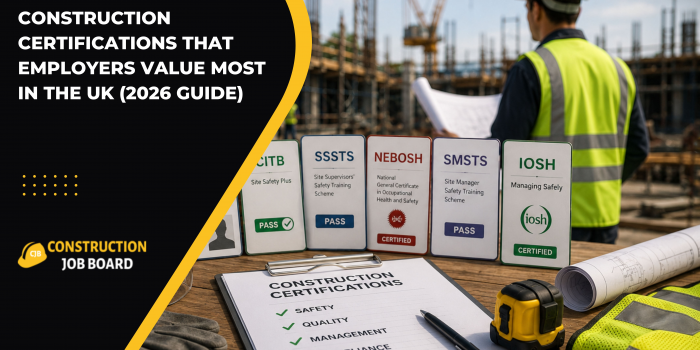
The Construction Industry Scaffolders Record Scheme (CISRS) is a recognised UK scaffolding training and card scheme. The appropriate card or qualification depends on the worker's role, experience and level of responsibility. Employers and project requirements may specify particular credentials.
A CSCS card is not automatically interchangeable with a CISRS scaffolding card. Candidates should check which card or qualification a specific employer or site requires before applying.
For current training routes and card requirements, consult the official CISRS website and relevant apprenticeship or careers guidance.
Why Are Safety Procedures Important in Scaffolding?
Scaffolding work can expose workers to falls from height, falling objects, unstable structures, manual-handling injuries and adverse weather conditions.
Important safety practices include:
- Following the approved scaffold design and erection instructions.
- Using suitable fall-prevention and fall-protection measures.
- Checking that scaffold components are appropriate and in good condition.
- Keeping platforms, access routes and working areas safe.
- Reporting damage, movement or other concerns immediately.
- Ensuring required inspections are completed by competent people.
- Avoiding unauthorised alterations or overloading.
Under UK work-at-height requirements, employers must plan work at height properly and take appropriate steps to prevent falls. Scaffolding must also be inspected at the legally required intervals and after circumstances that could affect its safety.
Workers should never use a scaffold that appears unsafe or make unauthorised changes to its structure.
What Is the Career Progression for a Scaffolder?
Scaffolding can offer several progression routes as workers gain practical experience, training and recognised qualifications.
Trainee scaffolder: Learns basic equipment handling, site procedures and safe working practices under supervision.
Scaffolder: Performs scaffolding tasks within their competence and the requirements of the project.
Advanced or specialist scaffolder: May take on more complex work, depending on qualifications, experience and the applicable scheme requirements.
Scaffolding supervisor: Coordinates teams, checks work against the required standards and helps ensure that safety and project requirements are met.
Scaffolding manager or contractor: Experienced professionals may progress into planning, operations, workforce management or running a scaffolding business.
Progression depends on competence, training, experience, employer requirements and the type of work available.
What Should You Include When Applying for Scaffolder Jobs?
A strong application should show that you can work safely, understand site expectations and meet the requirements of the vacancy.
Include the following details in your CV:
- Relevant scaffolding experience and the types of projects you have worked on.
- Current CISRS card or other relevant qualifications, where applicable.
- Site safety training and any additional industry credentials.
- Experience assembling, altering or dismantling scaffold systems within your competence.
- Familiarity with risk assessments, method statements and inspection procedures.
- Teamwork, reliability and experience working to project schedules.
- Your availability, preferred working locations and willingness to travel, where relevant.
Be accurate about your qualifications and experience. If you are new to scaffolding, highlight relevant training, transferable practical skills and your willingness to complete the required learning.
Where Can You Find Scaffolder Jobs in the UK?
Candidates can search for scaffolder vacancies through specialist construction job boards, recruitment agencies, scaffolding contractors and construction company career pages.
When reviewing vacancies, check the location, required experience, card requirements, employment type, working hours and whether the role involves domestic, commercial, industrial or infrastructure projects.
Use Construction Job Board UK to explore relevant construction vacancies and identify opportunities that match your skills and qualifications.
Suggested internal links for Construction Job Board UK:
- Anchor text: construction jobs in the UK — link to the main construction jobs page.
- Anchor text: construction labourer jobs — link to the relevant labourer category, if available.
- Anchor text: site supervisor jobs — link to the site supervisor category, if available.
- Anchor text: construction jobs by location — link to the site's city or location pages.
Only use these links where the relevant pages exist on the website.
Key Takeaways
- Scaffolders assemble, alter and dismantle temporary access structures for construction and maintenance work.
- The role requires practical skills, teamwork, physical fitness and strong safety awareness.
- Apprenticeships, supervised experience and recognised industry training are possible entry routes.
- CISRS qualifications and card requirements depend on the role and level of responsibility.
- Career progression can lead to specialist scaffolding work, supervision, management or contracting.
- Applicants should clearly state their experience, qualifications and relevant safety training when applying for scaffolder jobs in the UK.
Frequently Asked Questions About Scaffolder Jobs
1. What does a scaffolder do in the UK?
A scaffolder assembles, alters and dismantles temporary structures that provide safe access for construction, maintenance and repair work. Scaffolders must follow the relevant design, safety procedures and site requirements.
2. Do you need qualifications to become a scaffolder?
You do not necessarily need a university degree. However, employers generally expect appropriate training, supervised experience and evidence of competence. The specific CISRS card or qualification required depends on the role and employer.
3. Can you become a scaffolder without experience?
Yes. Some employers offer trainee positions or apprenticeship routes. Entry-level candidates should look for vacancies that provide supervised training and clearly explain the qualifications required.
4. What is a CISRS card?
CISRS stands for the Construction Industry Scaffolders Record Scheme. It provides recognised scaffolding training and card routes for different levels and types of scaffolding work. Applicants should check the relevant requirements for their intended role.
5. Where can I find scaffolder jobs in the UK?
You can search construction job boards, specialist recruitment agencies and employer career pages. Check each vacancy's location, required qualifications, experience level and employment terms before applying.