16/10/2026
What Does a Concrete Finisher Do? Concrete Placement, Screeding and Finishing Skills
What Does a Concrete Finisher Do?
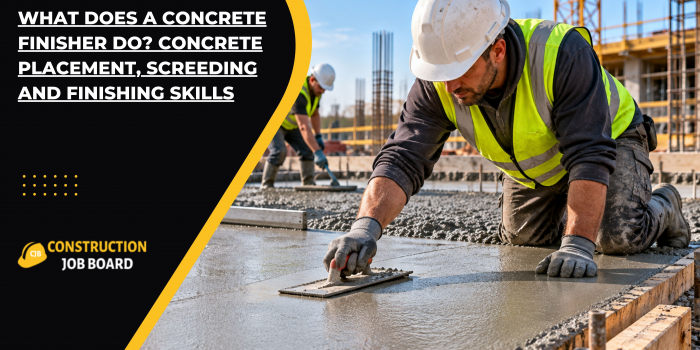
A concrete finisher is a construction worker who levels, smooths and finishes freshly placed concrete to achieve the surface, texture and appearance required for a project. Concrete finishers may work on floors, slabs, foundations, paths, driveways, roads and other concrete structures.
Their duties can include spreading concrete, screeding surfaces to the correct level, using hand tools or finishing equipment, and applying the specified surface finish. The precise work depends on the project design, concrete type, weather conditions and finishing requirements.
People searching for concrete finisher jobs in the UK may find opportunities with groundworks contractors, concrete flooring specialists, civil engineering companies, housebuilders and commercial construction firms.
The role requires practical skill, attention to detail, teamwork and an understanding of safe concrete handling. Timing is particularly important because concrete becomes harder to work as it sets.
What Are the Main Duties of a Concrete Finisher?
A concrete finisher's responsibilities vary by project and experience. Typical duties include:
- Preparing the work area and checking the required levels.
- Assisting with concrete placement and distribution.
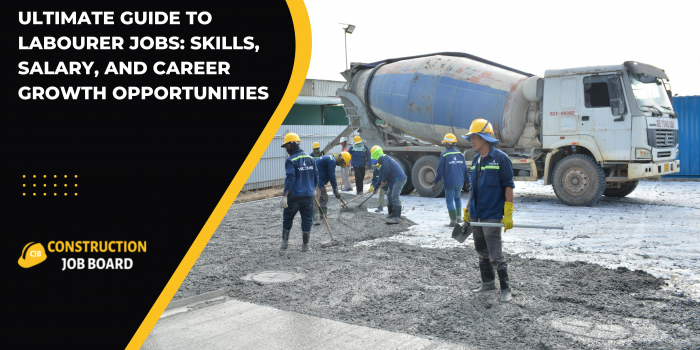
- Spreading and levelling freshly placed concrete.
- Screeding concrete to achieve the required height and surface profile.
- Using hand tools or mechanical equipment to finish surfaces.
- Creating specified textures or edges.
- Monitoring the concrete's condition during finishing.
- Following project instructions for curing and surface protection.
- Cleaning tools and equipment after use.
- Working with groundworkers, steel fixers, concrete pump operators and site supervisors.
Some finishers specialise in power-floated industrial floors, while others work on external paving, structural concrete or general construction slabs. Specialist tasks may require additional training and experience.
Where Do Concrete Finishers Work in the UK?
Concrete finishers work across residential, commercial, industrial and infrastructure construction.
Residential construction: Housing developments may require concrete finishers for floor slabs, paths, driveways and other concrete surfaces.
Commercial buildings: Offices, retail units and other commercial properties may need accurately levelled concrete floors before subsequent flooring systems are installed.
Industrial facilities: Warehouses and factories may require durable concrete floors designed for particular loads and operating conditions.
Civil engineering projects: Roads, pavements, drainage works and infrastructure schemes can involve concrete finishing.
Groundworks and external works: Contractors may employ finishers for foundations, hardstanding areas, kerbs and other concrete elements.
The availability of vacancies depends on construction activity, regional projects and whether employers need general concrete operatives or experienced specialists.
What Skills Do You Need to Become a Concrete Finisher?
Concrete finishing combines practical ability with careful timing and surface control.
Levelling and measuring: Finishers need to understand levels, gradients and the required surface profile.
Attention to detail: Uneven surfaces, incorrect falls or inconsistent finishing can affect the performance and appearance of the completed work.
Tool handling: Workers may use screeds, floats, trowels and mechanical finishing equipment, depending on the job.
Timing: Concrete must be worked at the appropriate stage. Finishing too early or too late can affect the surface quality.
Teamwork: Concrete placement and finishing often involve several workers coordinating their tasks within a limited time.
Problem-solving: Workers need to recognise changes in conditions and report issues that could affect the specified finish.
Safety awareness: Wet concrete can cause skin irritation or chemical burns, while tools, machinery and manual handling create additional hazards.
Experience with concrete flooring, power floating or large slab pours may be valuable for specialist positions.
What Qualifications Do You Need to Become a Concrete Finisher in the UK?
A university degree is not normally required for an entry-level concrete finishing role. People may enter the trade through an apprenticeship, vocational training or supervised work with a construction employer.
Depending on the vacancy, employers may look for:
- Practical experience with concrete placement or finishing.
- Relevant construction or concrete-related training.
- Knowledge of safe tool and equipment use.
- Suitable site safety training.
- A CSCS card or other accepted site credential where required.
- Additional training for specialist equipment or finishing systems.
Requirements differ between employers and projects. Applicants should check the specific vacancy to understand whether previous experience, a particular card or a recognised qualification is required.
People who are new to the trade can search for trainee concrete operative roles or groundworks positions that offer opportunities to develop concrete handling and finishing skills under supervision.
Why Are Safety Procedures Important in Concrete Finishing?
Concrete finishing can involve chemical, physical and equipment-related hazards. Wet cement and concrete are alkaline and can cause skin irritation or serious burns after prolonged contact.
Important safety practices include:
- Wearing suitable gloves, protective clothing and footwear.
- Preventing wet concrete from remaining trapped against the skin.
- Following the manufacturer's safety instructions for products and equipment.
- Using appropriate eye protection where splashes or flying particles are possible.
- Handling tools and equipment according to training and site procedures.
- Following safe manual-handling methods.
- Managing access around fresh concrete to prevent slips, falls or surface damage.
- Using appropriate controls when working with powered finishing equipment.
- Reporting damaged tools, unsafe conditions or injuries promptly.
Concrete finishing may also involve noise, dust and vibration, depending on the tools and materials used. Employers should assess the risks and provide appropriate controls, equipment and instruction.
Workers must follow the project's method statements and avoid operating machinery unless trained and authorised to do so.
What Is the Career Progression for a Concrete Finisher?
Concrete finishing can lead to specialist trade roles and wider construction responsibilities.
Trainee concrete operative: Learns material handling, basic preparation and safe working practices.
Concrete finisher: Performs levelling, screeding and finishing tasks within their experience and competence.
Specialist concrete finisher: May develop expertise in power-floated floors, decorative finishes or large-scale concrete slabs.
Concrete finishing supervisor: Coordinates workers, checks progress and helps ensure that the specified finish is achieved.
Site supervisor or concrete works manager: With further experience and suitable training, some workers progress into supervising concrete operations or managing related site activities.
Career progression depends on practical experience, training, project exposure and employer opportunities.
What Should You Include When Applying for Concrete Finisher Jobs?
Your CV should clearly describe your practical experience and the types of concrete work you can undertake.
Include:
- Previous concrete finishing, concreting or groundworks experience.
- The types of surfaces or projects you have worked on.
- Experience with screeding, floating, trowelling or power-floated floors, where relevant.
- Familiarity with levels, gradients and surface specifications.
- Relevant training, qualifications and site credentials.
- Knowledge of safe concrete handling and equipment use.
- Your availability, preferred work locations and willingness to travel, if applicable.
If you are starting your career, highlight transferable construction skills and any relevant training. Be accurate about your experience with specialist equipment and finishing methods.
Where Can You Find Concrete Finisher Jobs in the UK?
Concrete finisher vacancies may be advertised by construction job boards, groundworks contractors, concrete flooring specialists, civil engineering companies and recruitment agencies.
Before applying, check whether the role involves general concreting, floor screeding, power floating, external works or specialist finishing. Review the location, working hours, experience requirements, employment type and any requested site qualifications.
Construction Job Board UK can help candidates explore relevant construction vacancies and find roles suited to their practical skills.
Suggested internal links for Construction Job Board UK:
- Construction jobs in the UK — link to the main jobs page.
- Groundworker jobs — link to the relevant category, if available.
- Construction labourer jobs — link to the relevant category, if available.
- Construction jobs by location — link to relevant city or location pages.
Only add links to relevant pages that already exist on the website.
Key Takeaways
- Concrete finishers level, screed and finish freshly placed concrete to the required specification.
- The role is found in residential, commercial, industrial and infrastructure construction.
- Practical ability, accurate levelling, timing and teamwork are important skills.
- Apprenticeships, vocational training and supervised experience are possible entry routes.
- Safe handling of wet concrete and correct use of tools and machinery are essential.
- Experienced finishers may progress into specialist flooring, supervisory or concrete works management roles.
Frequently Asked Questions About Concrete Finisher Jobs
1. What does a concrete finisher do?
A concrete finisher levels, smooths and textures freshly placed concrete to meet the project's requirements. Tasks may include screeding, floating, trowelling and finishing concrete floors or external surfaces.
2. Do you need qualifications to become a concrete finisher?
A university degree is not usually necessary. Employers may accept practical experience, vocational training or apprenticeship experience, alongside any site credentials required for the role.
3. What is concrete screeding?
Concrete screeding is the process of levelling freshly placed concrete to the required height and profile. It helps create a surface that meets the project's specified levels and finish requirements.
4. Can you become a concrete finisher without experience?
Some employers offer trainee or entry-level concrete operative roles. These can provide supervised experience in concrete handling, preparation and finishing techniques.
5. Is concrete finishing physically demanding?
It can be physically demanding because the work may involve standing for long periods, handling tools and materials, and working in changing outdoor conditions. Safe work practices and suitable equipment are important.