25/09/2026
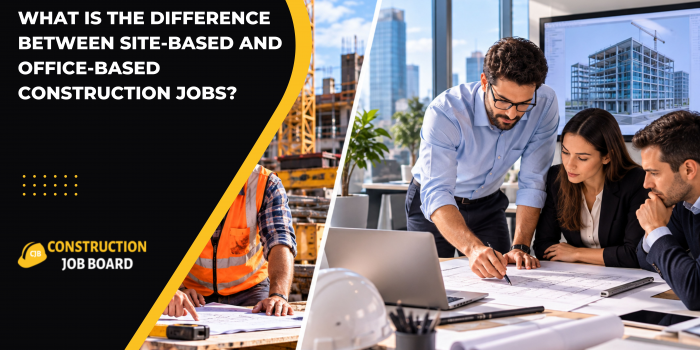
What Is the Difference Between Site-Based and Office-Based Construction Jobs?
Construction careers are not limited to working on a building site every day. Site-based and office-based construction jobs can involve very different working environments, responsibilities and daily routines, even when both roles contribute to the same project. Understanding the difference can help job seekers identify construction careers that match their existing skills, experience and preferred working environment.
Direct Answer
Site-based construction jobs are primarily carried out at construction sites and focus on physical project delivery, supervision, coordination and site operations. Office-based construction jobs are more focused on planning, design, commercial management, administration, procurement, project controls and other professional activities. Some construction roles combine both environments and require regular travel between offices and sites.
The distinction is not always absolute. A Project Manager, Quantity Surveyor, Engineer or Construction Manager may divide their time between an office and construction sites depending on the employer and project.
Key Takeaways
- Site-based roles involve direct involvement in construction activities.
- Office-based roles generally focus more on planning, design, commercial or administrative work.
- Many construction careers combine site and office responsibilities.
- Site experience can be useful for progressing into management and professional positions.
- Office-based construction does not necessarily mean being disconnected from site operations.
- Job descriptions should be checked carefully because working arrangements vary.
- Location, travel and project requirements can significantly affect the working pattern.
- Both environments require communication, organisation and construction knowledge.
What Are Site-Based Construction Jobs?
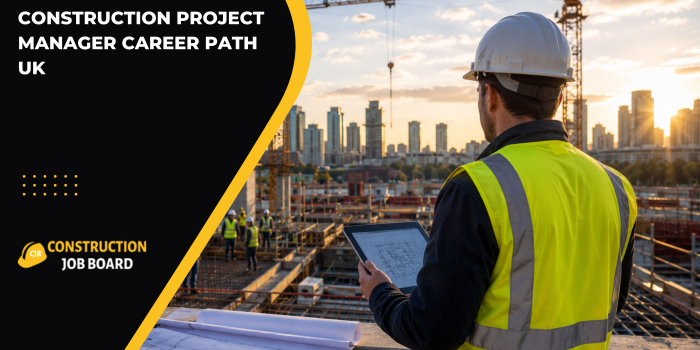
Site-based construction jobs involve regular work at a construction project.
The work may include:
- Supervising construction activities
- Coordinating subcontractors
- Monitoring progress
- Inspecting completed work
- Managing site operations
- Supporting health and safety
- Checking quality
- Coordinating deliveries
- Resolving site issues
- Communicating with project teams
Examples include:
- Site Manager
- Site Supervisor
- General Foreman
- Construction Manager
- Groundworker
- Bricklayer
- Carpenter
- Electrician
- Site Engineer
- Setting-Out Engineer
- Plant Operator
The precise responsibilities depend on the position and project.
What Are Office-Based Construction Jobs?
Office-based construction roles are generally focused on activities that support planning, design, commercial management and project administration.
Examples include:
- Quantity Surveyor
- Estimator
- Planner
- Design Manager
- Contracts Manager
- Commercial Manager
- Project Manager
- Architect
- Building Surveyor
- Construction Administrator
These professionals may work from a company office, project office or hybrid environment.
However, office-based does not necessarily mean that the person never visits a construction site.
Which Construction Jobs Combine Site and Office Work?
Many professional construction careers involve both environments.
Quantity Surveyor
A Quantity Surveyor may spend time preparing commercial reports, reviewing costs and managing contracts while also visiting projects to understand progress and work completed.
Project Manager
A Project Manager may attend meetings in an office, review project documentation and then visit the site to monitor progress and coordinate with project teams.
Construction Manager
Construction Managers are often closely involved with site delivery but may also spend time dealing with planning, reporting, procurement, meetings and project administration.
Site Engineer
Site Engineers can combine technical office work with practical site activities.
They may review drawings and technical information while also carrying out setting out, inspections or other site-based responsibilities.
Design Manager
Design Managers may work predominantly in an office environment but can need regular site involvement to understand construction progress and resolve design-related issues.
This blended working pattern is common across construction.
What Does a Typical Site-Based Working Day Look Like?
There is no single routine for every site-based role.
A typical day could involve:
- Reviewing the day's activities
- Checking site conditions
- Coordinating workers
- Reviewing deliveries
- Monitoring progress
- Conducting inspections
- Attending site meetings
- Resolving construction issues
- Completing documentation
- Reviewing health and safety requirements
For skilled trades, the day may be more focused on practical construction activities.
For site management, the emphasis may be on coordination, supervision, planning and communication.
What Does an Office-Based Construction Working Day Look Like?
Office-based construction professionals may spend more time working with information, documentation and project planning.
Tasks can include:
- Reviewing drawings
- Preparing cost reports
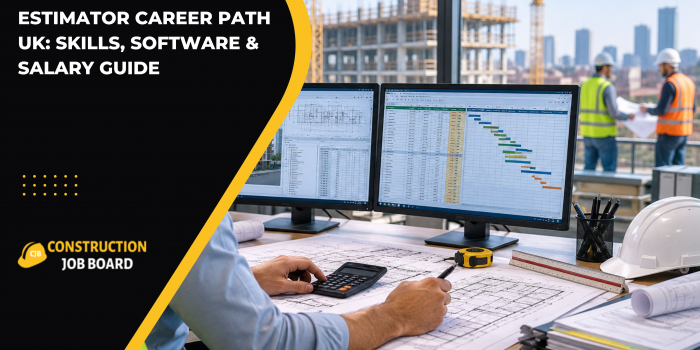
- Producing estimates
- Managing contracts
- Updating project programmes
- Analysing project information
- Communicating with clients
- Preparing reports
- Managing procurement
- Attending meetings
- Coordinating consultants and contractors
The work can still be closely connected to what is happening on site.
Is Site Experience Useful for Office-Based Construction Careers?
It can be valuable because practical site experience can help professionals understand how construction work is actually delivered.
For example, someone who has worked on site may develop a stronger understanding of:
- Construction sequencing
- Materials
- Labour requirements
- Site constraints
- Practical buildability
- Subcontractor activities
- Construction terminology
This experience can be particularly relevant when moving into construction management, estimating, project management, surveying or other professional roles.
However, requirements vary between employers and professions.
Can You Move From a Site-Based Role to an Office-Based Role?
Yes. Construction careers can develop across different working environments.
A site professional may eventually move into:
- Construction management
- Project management
- Estimating
- Planning
- Contracts
- Commercial management
- Technical coordination
- Health and safety
- Design coordination
The pathway depends on experience, qualifications and the requirements of the target position.
Additional education or professional training may also be relevant for certain career transitions.
Are Office-Based Construction Jobs Easier Than Site Jobs?
“Easier” is not a useful way to distinguish the two because the demands are different.
Site-based work can involve physical activity, changing site conditions, early starts, weather exposure and responsibility for day-to-day construction operations.
Office-based work can involve deadlines, complex documentation, financial responsibilities, contract requirements, planning and stakeholder management.
A Quantity Surveyor, for example, may have significant commercial responsibilities even though much of the work takes place in an office.
Likewise, a Site Manager may spend long periods coordinating people, programmes and safety requirements rather than carrying out physical construction work.
Do Site-Based Jobs Require Different Skills?
Some skills are particularly important for site-based work.
These can include:
- Practical construction knowledge
- Site coordination
- Health and safety awareness
- Problem-solving
- Team leadership
- Communication
- Construction methods
- Quality control
- Time management
- Ability to respond to changing site conditions
For skilled trades, technical and practical competence is especially important.
For management roles, leadership and coordination become increasingly significant.
What Skills Are Important for Office-Based Construction Jobs?
Office-based construction professionals may need stronger emphasis on:
- Planning
- Organisation
- Data analysis
- Commercial awareness
- Contract knowledge
- Technical documentation
- Communication
- Computer skills
- Project management
- Report writing
- Cost management
- Procurement
Technical requirements vary considerably.
A Quantity Surveyor may need strong commercial and measurement skills, while a Planner may focus more heavily on programme management and scheduling.
Does BIM Change the Difference Between Site and Office Jobs?
Digital construction tools are making the boundary between site and office less rigid.
Construction teams can increasingly share project information digitally, allowing professionals in different locations to collaborate.
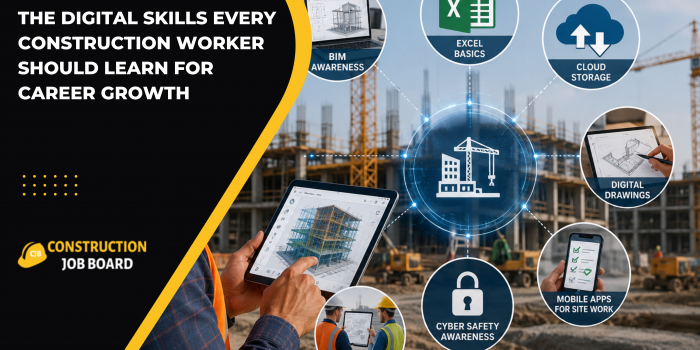
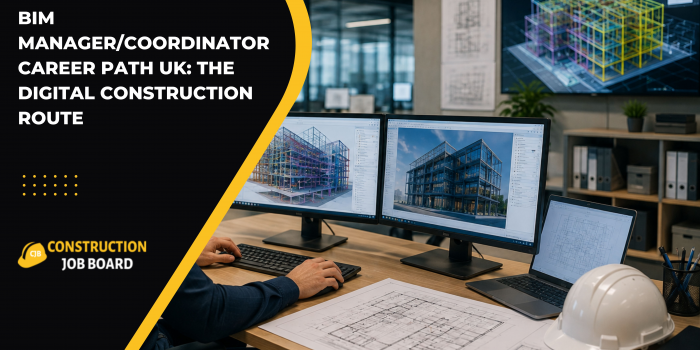
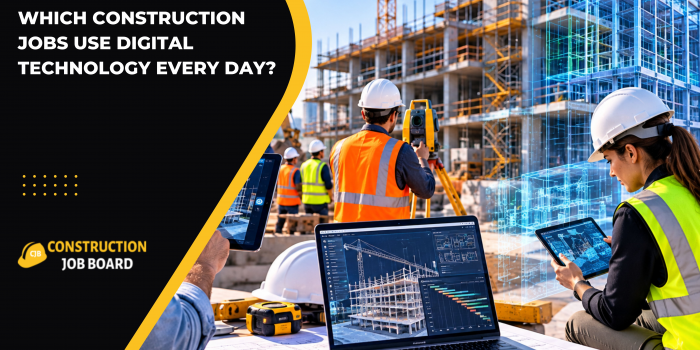
BIM, digital drawings, cloud-based documentation, project-management platforms and mobile construction applications can connect site and office teams.
For example, a Site Manager may access digital project information from a mobile device, while a design professional may use site information to support design coordination.
Digital skills can therefore be useful in both working environments.
What Should You Consider When Choosing Between Site and Office Construction Jobs?
Job seekers should consider several factors.
Working Environment
Do you prefer being directly involved with construction activities or working primarily with project information?
Travel
Some site roles require regular travel or temporary relocation depending on the project.
Working Hours
Site and office positions can have different schedules. Always check the vacancy for actual working hours.
Physical Requirements
Some roles involve significant physical activity, while others are predominantly desk-based.
Career Interests
Consider whether you are more interested in construction delivery, commercial management, design, planning, engineering or project coordination.
Existing Experience
Your current skills may make some transitions easier than others.
How Should You Search for Site-Based Construction Jobs?
Search by specific job title rather than simply using “construction jobs”.
For example:
- Site Manager Jobs
- Construction Manager Jobs
- Foreman Jobs
- Civil Engineer Jobs
- Skilled Trades and Labour Roles
Then check each vacancy for:
- Site location
- Working hours
- Travel requirements
- Project duration
- Required qualifications
- Experience requirements
- Responsibilities
This gives you a clearer understanding of what the role actually involves.
How Should You Search for Office-Based Construction Jobs?
You can use the same approach with professional and commercial roles.
Relevant searches may include:
- Quantity Surveyor Jobs
- Estimator Jobs
- Project Manager Jobs
- Contracts Manager Jobs
- Design Manager Jobs
- Building Surveyor Jobs
Again, the job description is important because many supposedly office-based roles include site visits.
Can a Construction Career Move Between Both Environments?
Yes. One of the features of construction careers is that professionals can develop experience across different parts of project delivery.
For example:
Site experience → Site supervision → Construction management
or:
Site experience → Technical role → Project management
Another pathway could be:
Construction experience → Commercial training → Quantity surveying
These are examples rather than fixed career routes. Individual requirements vary by role and employer.
Final Thoughts
The difference between site-based and office-based construction jobs is mainly the environment and type of work involved, but the two sides of construction are closely connected.
Site professionals help deliver projects directly, while office-based professionals support planning, design, commercial management, procurement, coordination and project control.
Many construction roles combine both environments.
For job seekers, the most useful approach is to look beyond the job title and examine the actual vacancy. Check the working location, travel requirements, responsibilities, qualifications and expected time spent on site.
Understanding these differences can help construction professionals identify roles that better match their experience and preferred way of working.
FAQs
1. What is the difference between site-based and office-based construction jobs?
Site-based roles focus primarily on construction activities, supervision and site operations, while office-based roles generally focus on planning, design, commercial management, contracts, administration and project coordination.
2. Which construction jobs involve both site and office work?
Roles such as Quantity Surveyor, Project Manager, Construction Manager, Site Engineer and Design Manager can involve a combination of site visits and office-based work.
3. Can I move from a site-based construction job to an office-based role?
Yes. Construction professionals can move into areas such as project management, construction management, estimating, planning, commercial management and technical coordination, depending on their experience and qualifications.
4. Do office-based construction jobs require site experience?
Not always. Requirements vary by role and employer. However, site experience can provide useful practical understanding for many professional construction positions.
5. Are construction site jobs more physically demanding than office jobs?
Some site roles involve substantially more physical activity than office-based positions, but the demands vary by job. Office-based construction roles can involve significant commercial, technical, planning or management responsibilities.