22/09/2026
Which Construction Jobs Can You Start Without a University Degree?
Many construction jobs in the UK do not require a university degree, particularly skilled trades, site-based operative roles and some routes into construction supervision and management. Apprenticeships, vocational qualifications, practical experience and industry-specific training can provide alternative routes into construction careers, depending on the occupation and employer.
Direct Answer
You can start several construction careers without going to university. Roles such as construction labourer, bricklayer, carpenter, groundworker, painter and decorator, plant operative and other skilled trades can be entered through apprenticeships, vocational training or practical experience. Some technical and management careers can also be reached without a traditional university route, although their qualification and experience requirements vary.
Key Takeaways
- A university degree is not required for many UK construction occupations.
- Apprenticeships provide a structured route into numerous construction careers.
- Vocational qualifications can be important for skilled trades.
- Practical site experience can help candidates progress into more responsible roles.
- Some professional construction occupations do have higher-education requirements.
- Construction management can be reached through several different career pathways.
- Qualifications, competence and experience become increasingly important as responsibilities increase.
- Candidates should check the requirements of the specific occupation rather than assuming every construction career follows the same route.
Do You Need a University Degree to Work in Construction?
No. A university degree is not a universal requirement for working in construction.
The construction industry includes a wide range of occupations with different entry requirements.
Some roles are primarily practical and can be entered through apprenticeships or vocational training. Other roles require professional or technical qualifications, and some may have degree-level requirements.
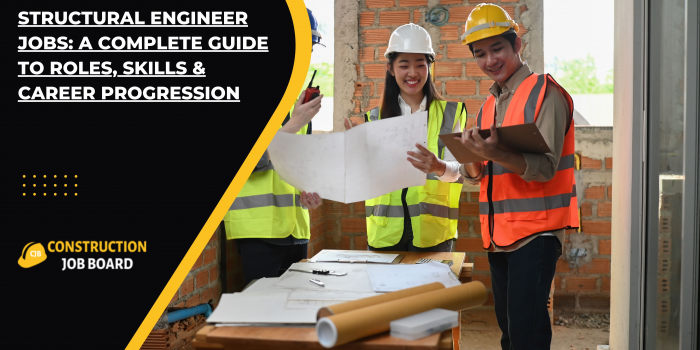
For example, someone interested in becoming a bricklayer may follow an apprenticeship route, while someone aiming to become a structural engineer may need a relevant higher-education qualification.
This makes construction different from industries where a degree is routinely required for entry-level professional positions.
The most useful question for a job seeker is therefore not:
"Do I need a degree for construction?"
It is:
"What qualifications and experience does my target construction occupation require?"
Which Construction Jobs Can You Start Without a Degree?
Several construction occupations can be entered without a traditional university degree.
Potential routes include:
- Construction labourer
- Bricklayer
- Carpenter
- Joiner
- Groundworker
- Painter and decorator
- Plasterer
- Dryliner
- Plant operative
- Roofing operative
- Scaffolder
- General construction operative
- Some site-based trainee positions
The exact entry requirements vary.
Some roles require occupational qualifications, industry cards or specific training before someone can carry out particular tasks.
For example, a person entering construction as a labourer may have a different training pathway from someone becoming a qualified bricklayer.
Candidates should therefore investigate the requirements for their chosen occupation before applying.
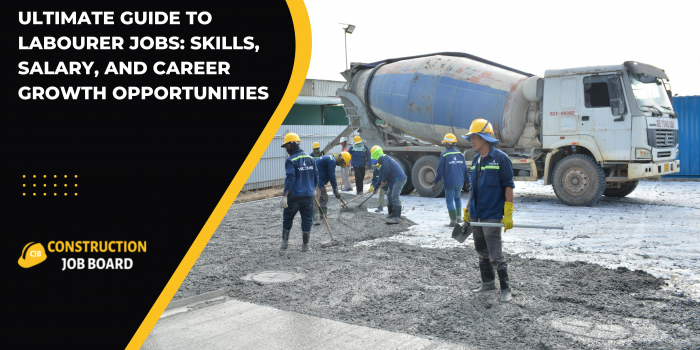
Can You Become a Construction Labourer Without a Degree?
Yes.
A university degree is generally not the normal entry requirement for a construction labourer role.
Construction labourers can support skilled workers and site teams with activities such as:
- Moving materials
- Preparing work areas
- Keeping sites organised
- Loading and unloading materials
- Assisting tradespeople
- Cleaning and maintaining work areas
- Following site instructions
- Supporting general construction activities
The National Careers Service identifies construction labouring as an occupation that can be entered through routes including direct application and apprenticeships, depending on the circumstances. It also highlights the importance of practical skills, teamwork and knowledge of construction materials.
A labouring position can also provide useful exposure to different construction activities.
Someone who discovers an interest in a particular trade may then choose to develop specialist qualifications.
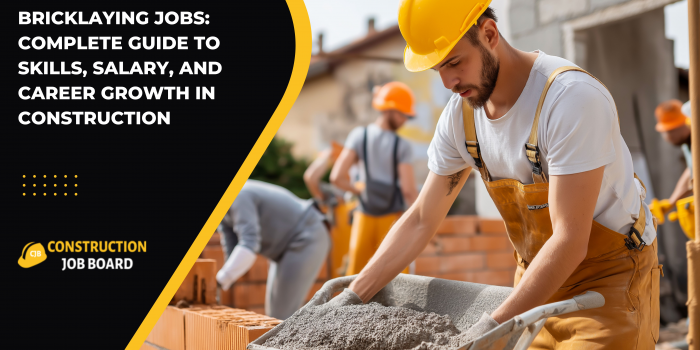
Can You Become a Bricklayer Without University?
Yes.
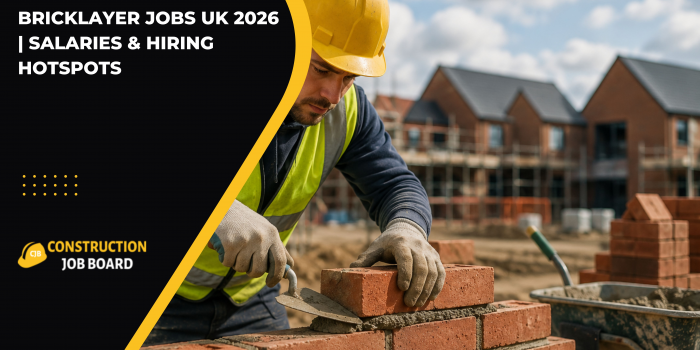
Bricklaying is one of the construction trades where university education is not normally the standard route into the occupation.
A person can develop bricklaying skills through:
- Apprenticeships
- College-based training
- Vocational qualifications
- Employer training
- Practical site experience
An apprenticeship combines workplace training with structured learning and can provide a recognised route into a skilled occupation.
Once qualified and experienced, a bricklayer can potentially take on more complex work, supervisory responsibilities or self-employed opportunities, depending on their skills and circumstances.
The key requirement is occupational competence, rather than simply having a university degree.
Can You Become a Carpenter Without a Degree?
Yes.
Carpentry and joinery provide another example of a construction career where a university degree is not normally required.
Training can involve learning areas such as:
- Measuring and marking
- Cutting materials
- Using hand and power tools
- Reading drawings
- Installing timber components
- Constructing frameworks
- Working safely
- Understanding materials
Apprenticeships can provide a structured pathway into carpentry and joinery.
Experience then becomes increasingly valuable because construction employers need workers who can apply their technical knowledge accurately in real working environments.
Can You Become a Groundworker Without Going to University?
Yes.
Groundworking is another practical construction occupation that can be entered without a university degree.
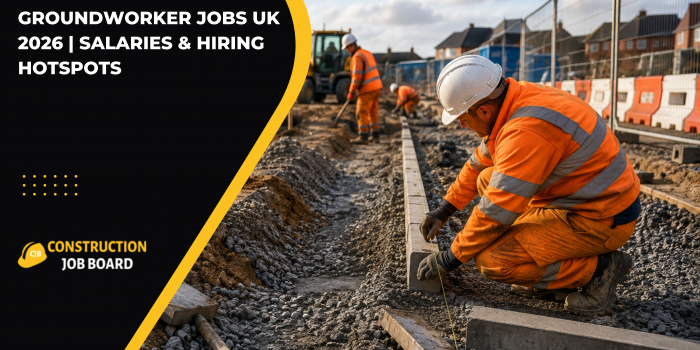
Groundworkers can work on activities associated with:
- Foundations
- Drainage
- Excavation
- Concrete
- Kerbs
- Paving
- Site preparation
- Underground services
The exact duties depend on the project and the worker's level of competence.
Groundworkers may also need additional training or certification for particular equipment and activities.
For candidates considering this career, practical skills, safety awareness and the ability to work effectively as part of a site team can be important.
Can You Become a Painter and Decorator Without a Degree?
Yes.
Painting and decorating is a skilled trade rather than a career that normally requires university education.
Training can cover:
- Surface preparation
- Painting
- Wallpapering
- Finishing techniques
- Materials
- Tools and equipment
- Health and safety
A worker can develop these skills through apprenticeships, vocational training and practical experience.
As with other trades, the requirements can differ between employers and projects.
Candidates should identify the specific qualifications and experience requested in individual vacancies.
Can You Work in Construction Management Without a University Degree?
Construction management is more complicated because employers can have different expectations depending on the level of the position.
A university degree can be useful for some construction management careers, but it is not the only possible route into management.
A person may progress through construction by gaining:
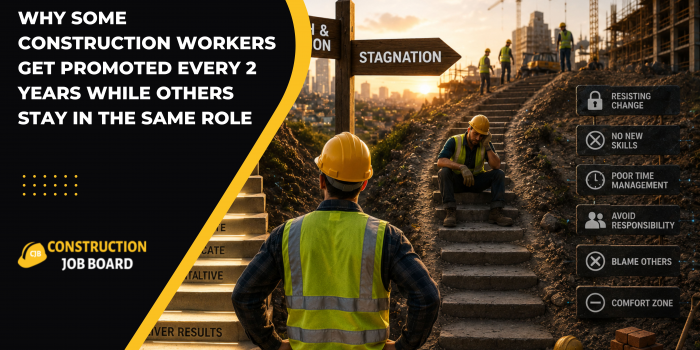
Site experience → skilled or technical role → supervisory responsibility → site management → senior management
The exact pathway varies.
A worker who develops strong knowledge of construction operations, health and safety, planning, people management and project delivery may eventually move into supervisory or management responsibilities.
Relevant qualifications and professional development can become increasingly important as responsibility increases.
The National Careers Service describes construction site supervision as a role involving responsibilities such as organising workers, checking progress and ensuring health and safety requirements are followed. Routes into the occupation can include progression from relevant construction experience as well as other training pathways.
Can You Become a Site Manager Without a Degree?
Potentially, yes.
Site management does not have one universal entry route.
Some employers may prefer or require degree-level qualifications for particular positions, while others may consider candidates with substantial site experience and appropriate professional or vocational qualifications.
A person progressing toward site management may develop skills in:
- Site coordination
- Health and safety
- Construction methods
- Programme management
- Quality control
- Team leadership
- Subcontractor coordination
- Documentation
- Problem-solving
Experience is particularly relevant because site managers are responsible for coordinating practical construction activity.
Candidates interested in this route should examine individual vacancies carefully because requirements can vary significantly between employers.
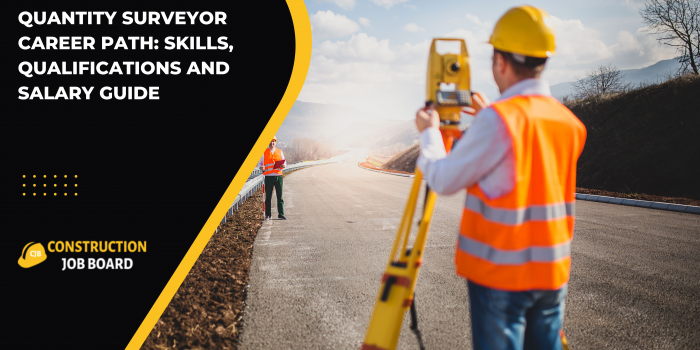
Can You Become a Quantity Surveyor Without University?
This depends on the specific career route and employer.
Quantity surveying is a professional discipline with established academic and vocational pathways.
Some employers may require or strongly prefer a degree or equivalent higher-level qualification, while other routes into commercial construction roles may involve apprenticeships, higher apprenticeships or progression through relevant experience and qualifications.
A quantity surveyor needs knowledge of areas such as:
- Construction costs
- Measurement
- Procurement
- Contracts
- Tendering
- Commercial reporting
- Cost control
Candidates interested in this career should research the qualification pathway associated with their intended professional level rather than assuming that site experience alone will be sufficient.
Which Construction Careers Are More Likely to Require a Degree?
Not every construction career can be entered without higher education.
Degree-level education is commonly relevant to professional disciplines such as:
- Civil engineering
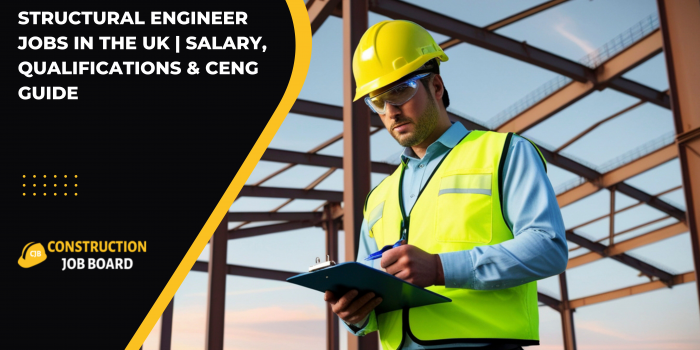
- Structural engineering
- Some architectural careers
- Certain surveying roles
- Some construction management positions
- Specialist engineering disciplines
The requirements vary by occupation and employer.
For regulated or professionally accredited careers, candidates may also need professional qualifications or membership requirements in addition to academic study.
This is why it is important to distinguish between construction trades and construction professions.
Both are part of the construction industry, but their entry routes can be very different.
Are Apprenticeships a Good Alternative to University for Construction?
Apprenticeships are an established route into many construction occupations.
They allow people to combine structured learning with workplace experience.
Depending on the apprenticeship, training can involve:
- Practical occupational skills
- Technical knowledge
- Health and safety
- Workplace standards
- Industry-specific qualifications
- On-the-job experience
Construction apprenticeships are available across a range of occupations, including skilled trades and technical roles.
The appropriate apprenticeship depends on the occupation, level and employer.
For someone who prefers learning through practical experience, an apprenticeship can therefore provide a different route from traditional full-time university study.
What Qualifications Can You Get Instead of a University Degree?
Depending on the occupation, construction workers can develop their careers through several types of qualifications.
These can include:
- Apprenticeship qualifications
- NVQs
- SVQs
- Technical qualifications
- Occupational certifications
- Site safety training
- Plant and machinery certification
- Professional qualifications
- Higher apprenticeships
The appropriate qualification depends on the job.
For example, a skilled trade may use an occupational qualification, while a technical or professional construction career may involve higher-level study or professional accreditation.
Candidates should check the requirements for their target occupation before choosing a course.
Is Practical Experience More Important Than a Degree in Construction?
There is no single answer because it depends on the occupation.
For practical trades, hands-on experience is highly relevant because the worker needs to demonstrate that they can safely and competently perform the job.
For professional roles, employers may place greater emphasis on academic qualifications, technical knowledge and professional accreditation.
In many construction careers, the strongest profile combines:
Relevant qualification + practical experience + technical skills + safety awareness
A candidate should therefore avoid thinking of education and experience as competing options.
A vocational qualification combined with substantial practical experience can be highly relevant for one construction career, while a degree may be essential or strongly preferred for another.
Can You Start in Construction and Study Later?
Yes.
Construction careers do not always follow a straight line.
Someone may begin as a labourer, develop an interest in a skilled trade, complete further training and then move into a specialist role.
Another worker may begin in a trade and later develop supervisory, estimating, surveying or management skills.
Career development can involve:
- Employer-sponsored training
- Apprenticeships
- Part-time study
- Vocational qualifications
- Professional development
- Additional certifications
- Experience on different projects
This flexibility can be useful for people who want to enter employment first and develop their qualifications over time.
What Skills Matter If You Do Not Have a Degree?
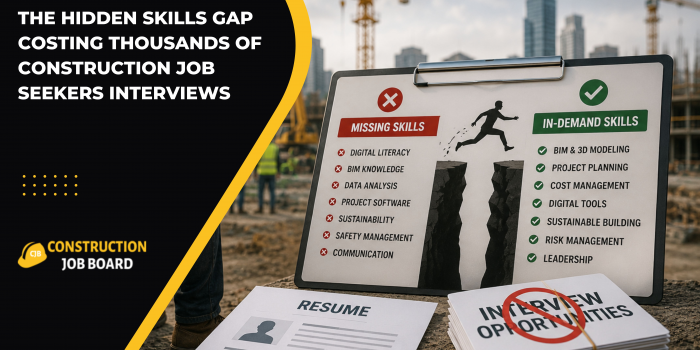
Candidates without university degrees can strengthen their applications by demonstrating relevant practical and transferable skills.
Important examples include:
Practical Skills
Show what you can actually do rather than simply listing a job title.
Health and Safety
Construction employers need people who understand safe working practices and site requirements.
Reliability
Employers need workers who can meet agreed responsibilities and work effectively as part of a team.
Communication
Construction involves coordination between trades, supervisors, contractors and other professionals.
Problem-Solving
Site work can involve unexpected issues that require practical responses.
Technical Knowledge
Understanding materials, tools, drawings, processes or construction software can strengthen a candidate's profile.
Willingness to Learn
A willingness to develop new skills can help candidates progress into more specialised roles.
How Should You Explain a Non-University Career Path on Your CV?
Not having a degree does not mean leaving your CV empty of evidence.
Instead, emphasise the qualifications and experience relevant to the job.
For example, include:
- Apprenticeships
- NVQs or relevant vocational qualifications
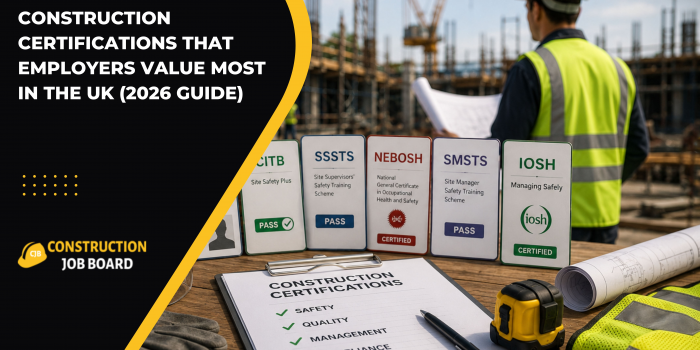
- CSCS or appropriate industry cards
- Site experience
- Trade experience
- Construction projects
- Equipment or plant experience
- Safety training
- Technical skills
- Relevant software
- Professional development
If you have progressed through several construction roles, show that progression clearly.
For example:
Labourer → Skilled Worker → Supervisor
This can demonstrate increasing responsibility even though the career path did not begin with university.
How Can You Find Construction Jobs Without a Degree?
Start by identifying construction roles whose entry requirements match your existing qualifications and experience.
You can search for:
- Entry-level construction jobs
- Construction labourer jobs
- Skilled trade jobs
- Apprenticeships
- Groundworker jobs
- Bricklayer jobs
- Carpenter jobs
- Painter and decorator jobs
- Plant operative jobs
- Trainee construction roles
Construction Job Board can be used to search for construction vacancies across different occupations and UK locations.
When reviewing a vacancy, pay particular attention to the essential requirements.
If a job asks for a university degree as an essential requirement, a candidate without one may need to consider another route or build additional qualifications first.
If a vacancy instead asks for an NVQ, apprenticeship, CSCS card, site experience or trade competence, candidates should assess whether they meet those specific requirements.
Final Thoughts
A university degree is only one possible route into the UK construction industry.
Many construction careers are built through apprenticeships, vocational qualifications, practical experience and continued workplace training. Skilled trades and several site-based occupations can provide opportunities for people who prefer a practical route into employment.
At the same time, not every construction occupation has the same entry requirements. Engineering, architecture, surveying and certain professional positions can require higher education or professional qualifications.
For anyone considering construction jobs without a degree, the most useful starting point is to choose a specific occupation and research its actual requirements.
The right route may involve an apprenticeship, vocational qualification, entry-level site work, further training or a combination of education and experience. What matters is matching the training pathway to the construction career you want to build.
FAQs
What construction jobs can you do without a degree?
Construction labourer, bricklayer, carpenter, groundworker, painter and decorator, plasterer, plant operative and several other skilled or site-based roles can be entered without a university degree, depending on the employer and occupation.
Can I work in construction without going to university?
Yes. Many construction careers can be entered through apprenticeships, vocational qualifications, practical experience and employer training instead of a traditional university degree.
Can you become a site manager without a degree?
Potentially. Some site management roles can be reached through construction experience, vocational qualifications and progression into supervisory responsibilities, although individual employers may have different requirements.
Are construction apprenticeships an alternative to university?
For many construction occupations, apprenticeships provide a structured alternative route by combining workplace experience with formal learning and relevant qualifications.
Which construction jobs are more likely to require a degree?
Certain professional roles, including some engineering, surveying, architectural and construction management positions, can require or strongly prefer degree-level qualifications. Requirements vary by occupation and employer.