

Back

QA & Quality Control Jobs in UK Construction | Careers, Skills & Salaries

QA & Quality Control Jobs in UK Construction: Roles, Skills and How to Build a Career in Construction Quality

Introduction

In an industry where structural failure can have catastrophic and irreversible consequences, QA and quality control jobs are among the most critical and professionally rewarding roles in UK construction. Quality professionals ensure that materials meet specification, workmanship complies with contractual and regulatory requirements, and defects are identified and corrected before they become embedded problems. Their work protects clients, contractors, end users, and the public.

Authority in construction quality management flows from technical knowledge and an uncompromising commitment to standards. The quality manager who maintains integrity under commercial pressure — who will not sign off defective work simply because the programme is tight — earns the respect of the entire project team and builds a reputation that travels with them throughout their career.

Core QA and Quality Control Roles

Quality Inspector roles focus on the inspection and testing of materials and completed works against specification. Inspectors carry out visual and dimensional checks, witness and document testing (concrete cube tests, weld inspections, pressure tests), and issue non-conformance reports (NCRs) when work falls below standard. Quality Engineers take a more technical role, developing inspection and test plans (ITPs), reviewing submittals, and ensuring that the quality management system (QMS) is implemented effectively on site.

Quality Managers and Quality Assurance Managers take strategic ownership of quality across a project or business. They establish and maintain the QMS (often aligned with ISO 9001), manage quality teams, liaise with clients and third-party inspectors, audit subcontractors, and report quality performance metrics. Head of Quality and Quality Director roles exist within major contractors and specialist QA consultancies.

Key Skills for Construction QA Professionals

Technical drawing interpretation is fundamental — quality inspectors and engineers must be able to read structural, architectural, and services drawings to verify that constructed works match design intent. Knowledge of relevant British Standards, Eurocodes, NHBC standards, and contractual specification requirements is essential. Attention to detail and meticulous record-keeping underpin everything a quality professional does: an NCR without proper documentation is largely worthless.

Interpersonal skills are equally important. Quality professionals must challenge non-compliant work constructively, without becoming adversarial, and must maintain positive working relationships with site operatives, subcontractors, and client representatives. This requires confidence, tact, and a thorough understanding of the construction process — knowledge often acquired through time spent in 

Qualifications and Certifications

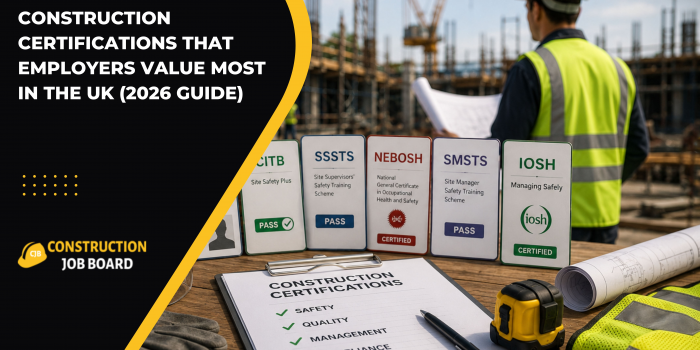
Relevant qualifications for UK construction QA professionals include HNC or HND in Civil Engineering or Construction Management, a degree in a related discipline, and ISO 9001 Lead Auditor certification (CQI/IRCA accredited). CIOB membership (MCIOB) is highly valued at Quality Manager level. Knowledge of CDM regulations is important where quality roles interface with health and safety responsibilities, which is common on complex projects. For QA roles on structural or civil works, familiarity with structural engineering principles is a significant asset.

Salary Expectations

Quality Inspectors typically earn £30,000 to £45,000 per year. Quality Engineers command £40,000 to £60,000. Quality Managers earn £55,000 to £80,000. Senior Quality Managers and Heads of Quality at major tier-one contractors can earn £80,000 to £110,000. Contract day rates for experienced quality managers range from £300 to £500 per day. Roles in nuclear, highways, rail, or defence attract the highest premiums due to the stringent quality regimes involved.

The Relationship Between Quality and Site Management

Construction quality cannot be delivered without the active support of site management. Quality professionals work most effectively when site managers champion quality standards and create a culture where doing things right first time is the norm rather than the exception. Quality professionals who understand site management challenges — including programme pressure, resource constraints, and subcontractor management — are far more effective than those who operate in isolation. Similarly, estimators who build quality management costs into their pricing help ensure that quality programmes are properly resourced from project inception.