Construction Jobs in County Durham — Site Careers, Trades & Management Roles
23/02/2026
Construction Jobs in County Durham: Opportunities, Demand, and Career Outlook
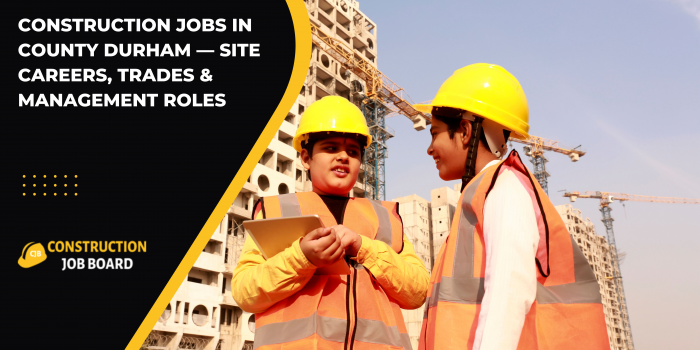
Construction jobs in County Durham consist of roles supporting housing development, commercial builds, civil engineering works, and infrastructure improvements, including site supervisors, tradespeople, quantity surveyors, project managers, and building services technicians spread across Durham City, Newton Aycliffe, Chester-le-Street, Stanley, and surrounding areas.
Overview of Construction Work in County Durham
County Durham, located in North East England, has experienced sustained construction activity driven by:
- Affordable and mixed-use residential developments
- Regeneration of urban centres including Durham City and Bishop Auckland
- Infrastructure and transport enhancements
- Public building upgrades (schools, healthcare, civic facilities)
The region has strong strategic growth plans tied to housing delivery, public works, and employment generation.
Key Construction Sectors in County Durham
Residential Construction
Housing delivery remains a core driver across Durham, with projects ranging from:
- Affordable housing estates
- Apartment complexes
- Brownfield redevelopment
These create demand for bricklayers, carpenters, site supervisors, and trades assistants.
Commercial Projects
Commercial construction includes:
- Retail refurbishments
- Office fit-outs
- Warehouse and logistics facilities
These projects hire:
- Site managers
- Quantity surveyors
- M&E engineers
Civil and Infrastructure Works
Public infrastructure projects include:
- Highway improvements
- Drainage and utilities
- Public realm upgrades
These roles require:
- Civil engineers
- Groundworkers
- Plant operators
Core Construction Roles in County Durham
|
Role |
Key Responsibilities |
|
Site Supervisor |
Oversee site activities, enforce safety standards, coordinate workers |
|
Tradespeople (Carpenters, Bricklayers) |
Build structural elements, frames, finishes |
|
Civil Engineer |
Design & supervise infrastructure elements |
|
Quantity Surveyor |
Control costs, support tendering |
|
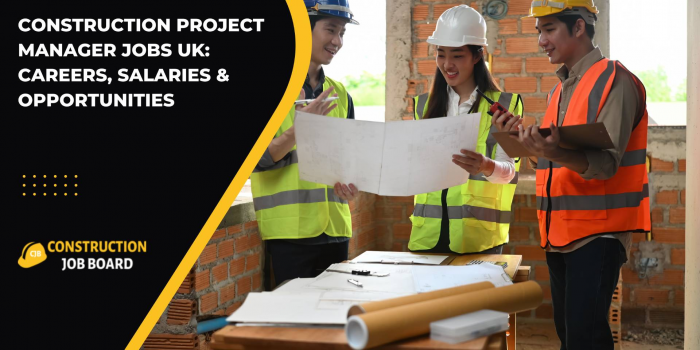
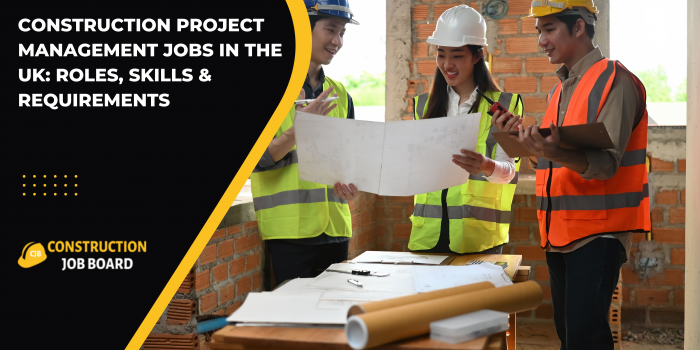
Project Manager |
Lead project delivery |
|
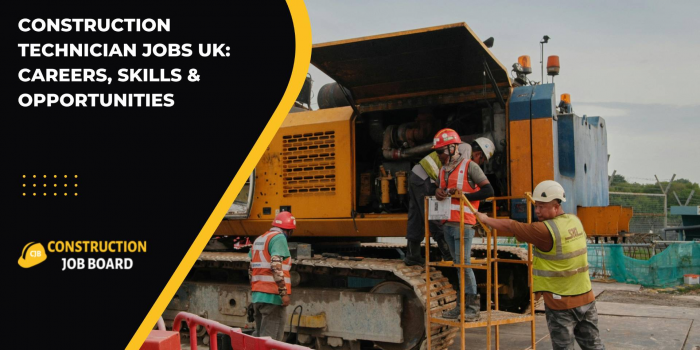
M&E Technician |
Mechanical & electrical system installation |
Skills & Qualifications in Demand
- CSCS Card & Health & Safety Certifications
- NVQ Levels 2–6 in construction trades
- Site Management Safety Training Scheme (SMSTS)
- Technical knowledge in M&E systems
- BIM & CAD proficiency (for design/draughting roles)
Where Jobs Are Concentrated
Key employment hubs within County Durham include:
- Durham City – regeneration projects and heritage restorations
- Newton Aycliffe – logistics parks and industrial construction
- Chester-le-Street – residential and community builds
- Stanley & Consett – mixed redevelopment
Employment Levels & Pay Trends
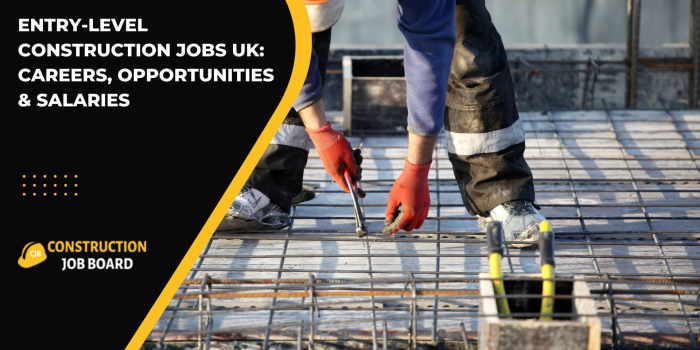
Entry-Level
- Labourers
- Trades Assistants
- Junior CAD/BIM Technicians
Reward: Fast-track skill development and certifications
Mid-Level
- Skilled trades (carpentry, plumbing, electrical)
- Site supervisors
- Quantity surveyors
Senior Roles
- Project Managers
- Construction Managers
- Senior Estimators / Commercial Managers
Durham’s cost-of-living compared to London & SE England often results in competitive wages for trades + technical management roles.
Frequently Asked Questions (AEO)
What construction jobs are available in County Durham?
Roles range from site supervisors, skilled tradespeople, civil engineers, project managers, to support staff like estimators and technologists.
Do construction jobs in Durham require formal qualifications?
Many trades require vocational certificates (NVQs) and CSCS cards, while technical and managerial roles typically need degree or professional credentials.
Which sectors are hiring the most in Durham?
Residential housing construction and public infrastructure are the strongest growth areas.
Is there demand for apprenticeships?
Yes — apprenticeship schemes are common, especially for carpentry, plumbing, electrical, and site management training.
Are there jobs for management and engineering professionals?
Yes, senior roles like project managers, engineers, and surveyors are required for larger builds and infrastructure projects.