Entry-Level Construction Jobs UK: Careers, Opportunities & Salaries
05/12/2025

Entry-Level Construction Jobs UK: Start Your Career in the Construction Industry
The UK construction sector offers a wealth of opportunities for individuals starting their careers. Entry-level construction jobs UK provide hands-on experience, on-the-job training, and a clear career path in a booming industry. Whether you are a school leaver, college graduate, or someone switching careers, the construction industry has roles for beginners across various trades and management tracks.
- Why Choose Entry-Level Construction Jobs in the UK?
Construction is one of the fastest-growing industries in the UK. Entry-level roles allow you to:
- Gain practical skills and experience.
- Work with experienced professionals.
- Progress into specialized or management roles.
- Earn a competitive salary while learning.
With government infrastructure projects, urban development, and sustainable building initiatives, the demand for entry-level workers is rising across the country.
- Popular Entry-Level Construction Jobs in the UK
Here are some common starting positions:
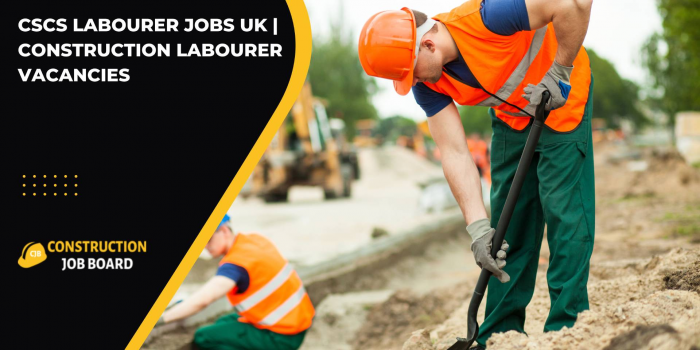
- Labourer: Perform basic site tasks such as carrying materials, assisting tradespeople, and maintaining the site.
- Apprentice Carpenter, Electrician, or Plumber: Learn technical skills while working on real projects.
- Trainee Site Assistant: Support project managers and site supervisors with administrative and operational tasks.
- Junior Surveyor or Quantity Surveyor Assistant: Help measure, plan, and manage project costs under supervision.
- Health & Safety Trainee: Learn to monitor site safety and compliance.
- How to Find Entry-Level Construction Jobs in the UK
- Recruitment Agencies: Agencies like Hays, Randstad, and CV-Library offer beginner-friendly roles.
- Job Portals: Construction Job Board, Indeed, and Total Jobs list hundreds of entry-level vacancies.
- Apprenticeship Programs: Provide training while working on-site, combining education and practical experience.
- Networking & Trade Associations: Joining local construction organizations can help you find opportunities.
- Skills Needed for Entry-Level Construction Jobs
Even at entry-level, certain skills make you a more attractive candidate:
- Physical fitness and stamina.
- Willingness to learn and follow instructions.
- Basic understanding of construction tools and materials.
- Awareness of safety regulations (CSCS card recommended).
- Teamwork and communication skills.
- Salary Expectations for Entry-Level Roles
Salaries vary depending on location, employer, and role:
- Construction Labourer: £20,000 – £24,000 per year.
- Apprentice Tradesperson: £15,000 – £22,000 per year (increasing with experience).
- Junior Surveyor/Assistant Roles: £20,000 – £28,000 per year.
Entry-level jobs provide a stepping stone to higher-paying roles such as skilled trades, site management, or engineering positions.
- Tips to Advance Your Career
- Get Certified: Apply for a CSCS card and NVQs as you progress.
- Learn on the Job: Take advantage of training programs and mentorship opportunities.
- Consider Specialization: Trades like green construction, electrical, or plumbing are in high demand.
- Stay Updated: Follow industry trends and new technologies to enhance your career prospects.
FAQs about Entry-Level Construction Jobs UK
Q1: What qualifications do I need for entry-level construction jobs in the UK?
A: Most roles require basic qualifications (GCSEs or equivalent), while apprenticeships may accept candidates with minimal experience.
Q2: Do I need a CSCS card for entry-level construction roles?
A: While not always mandatory, having a CSCS card improves employability and is required for many construction sites.
Q3: Can I start a career in construction without prior experience?
A: Yes, entry-level jobs and apprenticeships are specifically designed for beginners.
Q4: How much can I earn in entry-level construction jobs in the UK?
A: Salaries typically range from £15,000 to £24,000 per year, depending on the role and location.
Q5: Are there apprenticeship opportunities in the UK construction industry?
A: Yes, apprenticeships combine work experience with formal training and are ideal for starting a construction career.