Estimator Jobs UK: Construction Cost Estimation Roles and Industry Overview
16/02/2026

Estimator Jobs in the UK Construction Industry: Roles, Cost Planning, and Project Estimation Functions
Estimator jobs in the UK construction industry involve calculating project costs, preparing budgets, and analysing materials, labour, and timelines to support construction planning. Estimators work with contractors, developers, and engineering firms to ensure accurate cost projections before and during construction projects.
Overview of Estimator Roles in Construction
Estimators play a key role in construction project planning by determining the financial requirements of building projects. Their work helps organizations understand the expected cost of construction before work begins.
Estimators support planning for:
- Residential developments
- Commercial buildings
- Infrastructure projects
- Industrial construction
Accurate cost estimation supports project feasibility and financial planning.
Core Responsibilities of Estimator Jobs
Estimators perform financial and technical analysis related to construction projects.
Cost Calculation and Budget Preparation
Estimators calculate the expected cost of construction projects.
This includes analysing:
- Material costs
- Labour costs
- Equipment costs
- Project timelines
Budget preparation helps guide project decisions.
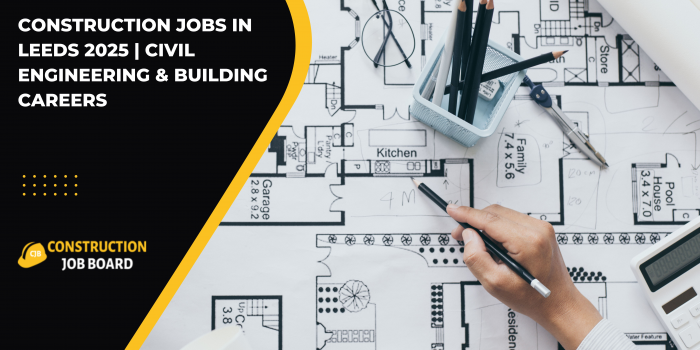
Reviewing Project Plans and Specifications
Estimators analyse construction plans to determine cost requirements.
This includes reviewing:
- Architectural drawings
- Engineering plans
- Technical specifications
This helps identify resource needs.
Preparing Tender and Bid Documents
Estimators prepare cost estimates used in project bidding.
This includes:
- Preparing detailed cost reports
- Supporting contractor bids
- Reviewing project scope
These documents help contractors compete for projects.
Monitoring Project Costs
Estimators may track costs during construction.
This helps ensure:
- Budget compliance
- Cost control
- Financial oversight
Cost monitoring supports financial management.
Types of Estimator Roles in Construction
Several specialized estimator roles exist.
Construction Estimator
Construction estimators calculate costs for building projects.
They support residential, commercial, and infrastructure construction.
Quantity Surveyor and Estimator
Some estimators work closely with quantity surveyors.
They help measure and estimate construction quantities and costs.
Cost Engineer
Cost engineers analyse project costs and financial requirements.
They support financial planning and project budgeting.
Senior Estimator
Senior estimators manage complex projects and oversee estimation processes.
They support large-scale construction planning.
Industries Employing Estimators
Estimators work across multiple construction sectors.
Residential Construction
Estimators support housing developments and residential projects.
Commercial Construction
Commercial projects include:
- Office buildings
- Retail developments
- Commercial facilities
Infrastructure Projects
Infrastructure construction includes:
- Transportation systems
- Utilities
- Public infrastructure
Industrial Construction
Industrial construction includes:
- Manufacturing facilities
- Industrial plants
Tools and Technologies Used by Estimators
Estimators use specialized tools to calculate and manage project costs.
Cost Estimation Software
Software tools help estimators calculate and manage costs.
These tools support:
- Cost modelling
- Budget analysis
- Financial planning
Project Planning Systems
Project planning systems help estimators understand project scope.
They analyse:
- Project timelines
- Resource requirements
Engineering and Design Drawings
Estimators review technical drawings to calculate material requirements.
This helps ensure accurate estimation.
Geographic Distribution of Estimator Jobs in the UK
Estimator jobs are located across major construction regions.
Key locations include:
- London
- Birmingham
- Manchester
- Leeds
- Bristol
- Glasgow
These cities host major construction and infrastructure projects.
Role of Estimators in Construction Project Lifecycle
Estimators contribute throughout the construction process.
They support:
- Pre-construction planning
- Tender preparation
- Budget development
- Cost monitoring
Their work helps ensure project financial accuracy.
Relationship Between Estimators and Other Construction Roles
Estimators work alongside multiple construction professionals.
These include:
- Project managers
- Engineers
- Surveyors
- Contractors
These roles collaborate to deliver construction projects.
Employment Levels in Estimator Jobs
Estimator jobs exist at multiple career levels.
Entry-Level Roles
Examples include:
- Junior Estimator
- Assistant Estimator
These roles support estimation processes.
Mid-Level Roles
Examples include:
- Construction Estimator
- Project Estimator
These roles prepare cost estimates independently.
Senior-Level Roles
Examples include:
- Senior Estimator
- Lead Estimator
Senior roles manage estimation for major projects.
Importance of Estimators in Construction
Estimators help ensure construction projects are financially viable.
Their work supports:
- Budget planning
- Cost control
- Project feasibility
- Financial decision-making
They are essential to construction project planning.
FAQs
What are estimator jobs in construction?
Estimator jobs involve calculating project costs, preparing budgets, and analysing construction expenses.
What does a construction estimator do?
A construction estimator reviews project plans and calculates the cost of materials, labour, and equipment.
Where do estimators work?
Estimators work with construction companies, contractors, and engineering firms.
Why are estimators important in construction?
Estimators help ensure projects are financially planned and budgets are accurate.
What industries employ construction estimators?
Estimators work in residential, commercial, infrastructure, and industrial construction.