Skilled Trades and Labour Jobs in Construction | Roles and Industry Context
26/01/2026
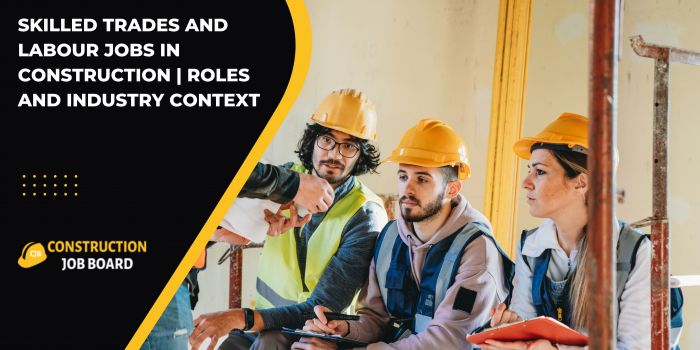
Skilled Trades and Labour Jobs in Construction: Roles, Scope, and Industry Context
Overview
Skilled trades and labour jobs form the execution layer of the construction industry. These roles are responsible for carrying out the physical tasks required to build, install, assemble, and maintain structures across residential, commercial, industrial, and infrastructure projects.
Unlike management or design roles, skilled trades and labour positions are primarily site-based and task-oriented. Their function is to convert plans, drawings, and specifications into completed physical work. These roles are essential to every construction project and operate within defined safety, regulatory, and coordination frameworks.
This article provides a neutral, informational overview of skilled trades and labour jobs in construction, outlining role categories, functional scope, and industry positioning without offering career advice or recommendations.
What Are Skilled Trades and Labour Jobs?
Skilled trades and labour jobs involve performing hands-on construction tasks on-site. These tasks may require specific technical skills, trade knowledge, or general labour support depending on the role and project type.
These jobs typically operate under the coordination of site supervisors or managers and follow predefined plans, schedules, and safety procedures. While individual responsibilities vary, the common feature is direct involvement in physical construction activity.
Skilled trades and labour roles are present throughout:
- New construction projects
- Renovation and refurbishment work
- Maintenance and repair activities
- Infrastructure and civil engineering projects
Position Within the Construction Lifecycle
Site Preparation Phase
During early site activity, labour and trade roles may support:
- Ground preparation and clearance
- Temporary works setup
- Material handling and logistics
These activities prepare sites for subsequent construction stages.
Active Construction Phase
During the main construction period, skilled trades and labour roles focus on:
- Structural and finishing tasks
- Installation of systems and components
- Assembly of building elements
This phase represents the core execution stage of construction work.
Completion and Finishing Phase
Towards project completion, trade and labour roles may contribute to:
- Finishing and detailing work
- Adjustments and minor corrective tasks
- Support during inspections or handover processes
Common Categories of Skilled Trades and Labour Jobs
Skilled trades and labour jobs encompass a wide range of role types.
Skilled Trades Roles
These roles require specific technical or trade-based skills and training.
Common examples include:
- Electricians
- Plumbers
- Carpenters
- Bricklayers
- Joiners
- Painters and decorators
Semi-Skilled Roles
These roles involve technical support tasks that may not require full trade qualification but still demand experience and practical knowledge.
Examples include:
- Fixers and installers
- Machine or equipment operators
- Finishing operatives
General Labour Roles
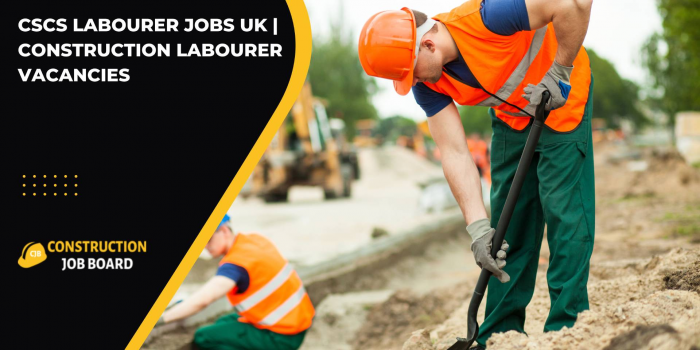
General labour roles provide essential site support, including:
- Material movement
- Site cleaning and preparation
- Assisting skilled trades
These roles support overall site efficiency.
Typical Work Environments
Skilled trades and labour jobs are most commonly found in:
- Active construction sites
- Infrastructure and civil works locations
- Residential and commercial developments
- Refurbishment and maintenance projects
Work conditions are typically site-based and may vary depending on project scale and environment.
Core Functional Responsibilities
Although responsibilities vary by role, skilled trades and labour jobs share several functional characteristics.
Task Execution
Performing defined construction tasks according to drawings, instructions, and specifications.
Safety Compliance
Operating within established health and safety procedures and site regulations.
Coordination with Site Teams
Working in alignment with supervisors, managers, and other trades to maintain workflow continuity.
Use of Tools and Equipment
Handling tools, machinery, or materials relevant to specific trade or labour tasks.
Relationship to Other Construction Roles
Skilled trades and labour roles operate as part of a coordinated construction ecosystem.
- Designers define what is to be built
- Managers plan and coordinate delivery
- Trades and labour execute physical construction tasks
These roles are interdependent and rely on structured coordination.
Project Scale and Workforce Structure
The composition of skilled trades and labour teams often depends on project size.
- Smaller projects may involve multi-skilled individuals
- Larger projects typically involve specialised trades working in defined sequences
Workforce structure evolves as projects move through different stages.
Tools and Systems (Neutral Context)
Skilled trades and labour roles interact with:
- Hand tools and machinery
- Site equipment and materials
- Safety systems and procedures
This article does not assess or recommend specific tools or technologies.
Industry Context and Neutral Positioning
Skilled trades and labour jobs exist across both private and public sector construction environments. Their scope and structure are shaped by:
- Regulatory and safety frameworks
- Contractual arrangements
- Project requirements
No evaluation of wages, qualifications, or career progression is provided.
Scope and Neutrality Statement
This content is purely informational. It:
- Describes skilled trades and labour role categories
- Avoids career guidance or training advice
- Does not recommend employers, tools, or services
- Does not rank or compare roles
Its purpose is descriptive clarity only.
FAQs
What are skilled trades and labour jobs in construction?
Skilled trades and labour jobs involve hands-on construction tasks carried out on-site, including building, installation, and support activities.
Are skilled trades roles different from management jobs?
Yes. Skilled trades and labour roles focus on physical execution, while management roles focus on coordination and oversight.
Do labour jobs require trade qualifications?
Some skilled trade roles require specific training or qualifications, while general labour roles may focus on site support tasks.
Are skilled trades present on all construction projects?
Most construction projects involve skilled trades and labour roles, though the type and number vary by project scope.
Do skilled trades roles change across project stages?
Yes. Different trades and labour roles are required at different stages of construction, from preparation to completion.