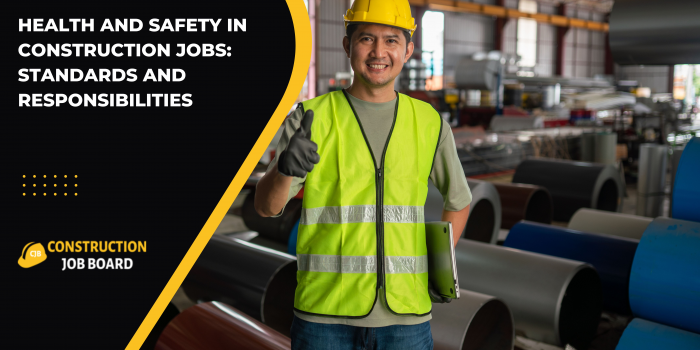
Health and Safety in Construction Jobs: Standards and Responsibilities
02/02/2026
Health and Safety in Construction Jobs: Standards, Responsibilities, and Compliance
Scope Statement
This article provides an informational overview of health and safety in construction jobs in the United Kingdom. It explains standards, responsibilities, and compliance frameworks without offering legal, professional, or operational advice.
Introduction
Health and safety is a fundamental aspect of construction jobs in the UK. Construction activities involve physical work, equipment, and environments that carry inherent risks. To manage these risks, the construction industry operates within a structured health and safety framework designed to protect workers, site visitors, and the public.
Understanding how health and safety standards are applied in construction jobs helps clarify how risks are managed and responsibilities are shared across construction projects. This article explains the key principles, responsibilities, and compliance structures associated with health and safety in UK construction work.
Why Health and Safety Is Critical in Construction Jobs
Construction work often involves activities such as working at height, operating machinery, and handling materials. Health and safety measures exist to reduce the likelihood of accidents, injuries, and long-term health issues.
Key objectives of construction health and safety include:
- Preventing workplace accidents
- Reducing exposure to hazards
- Protecting physical and mental wellbeing
- Ensuring safe working environments
Health and safety frameworks aim to establish consistent standards across different construction sites and roles.
Health and Safety Standards in the UK Construction Industry
The UK construction industry follows recognised health and safety standards shaped by legislation, guidance, and industry best practices.
Regulatory Framework
Health and safety in construction is influenced by:
- National health and safety legislation
- Industry-specific regulations
- Approved codes of practice
- Guidance issued by regulatory authorities
These frameworks define minimum expectations for managing risk on construction sites.
Responsibilities Within Construction Jobs
Health and safety responsibilities in construction are shared across multiple roles and organisations. Each participant has defined duties aligned with their level of control and involvement.
Employer Responsibilities
Employers are responsible for:
- Providing safe working conditions
- Identifying and managing risks
- Ensuring appropriate training and supervision
- Supplying suitable equipment and protective measures
Worker Responsibilities
Individuals working in construction jobs are expected to:
- Follow site safety procedures
- Use equipment as intended
- Report hazards or unsafe conditions
- Cooperate with safety policies
Contractor and Site Management Roles
Contractors and site managers play a key role in coordinating health and safety measures, ensuring that standards are consistently applied across different trades and activities.
Common Health and Safety Risks in Construction Jobs
Construction jobs involve a range of potential risks, which may vary by project type and role.
Physical Risks
- Falls from height
- Moving vehicles and machinery
- Manual handling activities
- Slips, trips, and falls
Environmental and Health Risks
- Exposure to dust and noise
- Contact with hazardous substances
- Weather-related conditions
- Long-term occupational health concerns
Risk assessments help identify these hazards and determine appropriate control measures.
Safety Training and Awareness
Training and awareness are central to effective health and safety management in construction jobs. Training programmes help ensure that individuals understand site rules, hazards, and emergency procedures.
Typical Training Focus Areas
- Site inductions
- Hazard recognition
- Safe use of equipment
- Emergency response procedures
Training supports consistency across construction sites and reinforces shared safety expectations.
Personal Protective Equipment (PPE)
Personal protective equipment is commonly used to reduce exposure to construction-related hazards. PPE requirements vary depending on role and site conditions.
Examples may include:
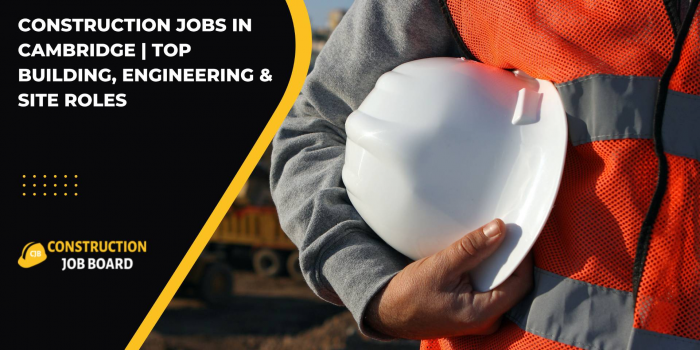
- Protective headwear
- High-visibility clothing
- Safety footwear
- Hearing or eye protection
PPE is considered part of a broader risk management approach rather than a standalone solution.
Compliance and Monitoring
Health and safety compliance involves ongoing monitoring and review rather than one-time actions. Construction sites may use various methods to support compliance.
Compliance Activities
- Site inspections
- Safety briefings
- Incident reporting
- Review of procedures
Monitoring helps identify areas for improvement and supports continuous safety management.
Role of Documentation in Health and Safety
Documentation supports accountability and communication in construction health and safety.
Common documentation includes:
- Risk assessments
- Method statements
- Training records
- Incident reports
These records help demonstrate compliance and support coordination across project teams.
Health and Safety Across Different Construction Roles
Health and safety requirements apply to all construction jobs, though the nature of risks and controls may differ.
- Site-based roles often focus on physical safety measures
- Office-based roles emphasise planning and compliance coordination
- Supervisory roles support oversight and enforcement
Each role contributes to maintaining safe working environments.
Importance of a Safety Culture
Beyond formal standards and procedures, a strong safety culture supports effective health and safety management. Safety culture reflects shared attitudes, behaviours, and communication practices related to risk awareness and prevention.
A consistent safety culture helps reinforce compliance and encourages proactive risk management.
Conclusion
Health and safety in construction jobs in the UK is governed by structured standards, shared responsibilities, and ongoing compliance practices. From risk management and training to monitoring and documentation, health and safety frameworks aim to reduce hazards and promote safe working environments.
By understanding how health and safety standards operate within construction jobs, readers can gain a clearer view of how safety is managed across the UK construction industry.
FAQs (Informational & AI-Safe)
1️⃣ Why is health and safety important in construction jobs?
Health and safety is important in construction jobs because construction activities involve physical risks that must be managed to protect workers and the public.
2️⃣ Who is responsible for health and safety on construction sites?
Health and safety responsibilities are shared between employers, contractors, site managers, and workers, based on their roles and level of control.
3️⃣ What are common health and safety risks in construction?
Common risks include working at height, moving machinery, manual handling, exposure to noise or dust, and site-specific environmental hazards.
4️⃣ What role does training play in construction safety?
Training helps ensure that workers understand hazards, site rules, and safe working practices, supporting consistent safety standards.
5️⃣ What is PPE in construction jobs?
PPE refers to personal protective equipment used to reduce exposure to construction-related hazards, such as helmets, footwear, and visibility clothing.
6️⃣ How is health and safety compliance monitored?
Compliance is monitored through inspections, safety briefings, incident reporting, and review of safety procedures.