Site-Based vs Office-Based Construction Jobs: Key Differences Explained
29/01/2026
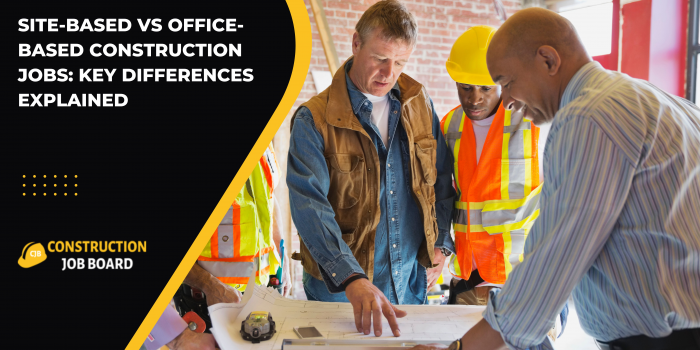
Site-Based vs Office-Based Construction Jobs: Key Differences Explained
Scope Statement
This article provides an informational comparison of site-based and office-based construction jobs in the United Kingdom. It explains differences in work environments, responsibilities, and collaboration models without offering career advice or employment recommendations.
Introduction
Construction jobs in the UK are commonly associated with active building sites, yet a significant portion of construction work takes place in office-based or hybrid environments. Modern construction projects rely on both physical site activity and structured planning, coordination, and oversight functions carried out away from the site.
Understanding the differences between site-based and office-based construction jobs helps clarify how construction projects are delivered and how responsibilities are distributed across teams. This article explains the defining characteristics of each work environment and how they interact within the construction industry.
What Are Site-Based Construction Jobs?
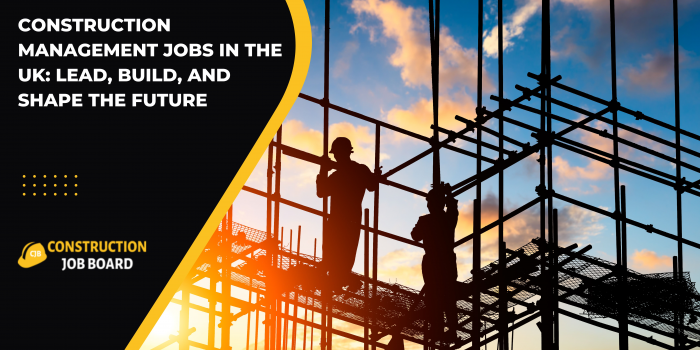
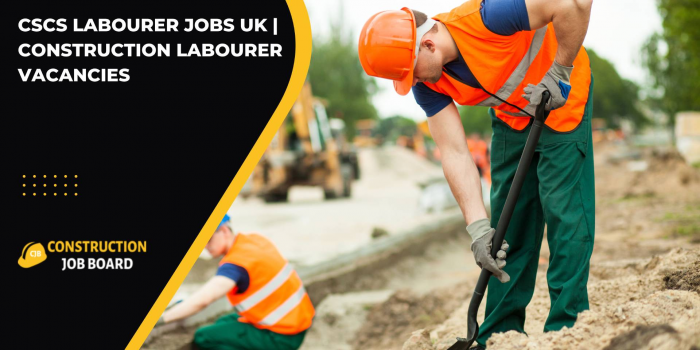
Site-based construction jobs involve working directly at construction locations where physical building activities take place. These roles are central to project execution and focus on transforming designs and plans into completed structures.
Common Characteristics of Site-Based Roles
- Presence on active construction sites
- Direct involvement in building or installation work
- Exposure to changing site conditions
- Adherence to site-specific safety procedures
Site-based work often follows structured schedules aligned with project timelines and weather conditions.
Typical Responsibilities in Site-Based Construction Jobs
Responsibilities vary depending on role and trade but commonly include:
- Performing physical construction tasks
- Operating tools or machinery
- Installing materials or systems
- Coordinating work with other site teams
- Following safety and compliance procedures
Many site-based roles are sequential, meaning tasks are completed in defined stages as projects progress.
Work Environment on Construction Sites
Construction sites are dynamic environments influenced by multiple factors, including:
- Project size and complexity
- Location and accessibility
- Weather and seasonal conditions
- Safety and regulatory requirements
Site-based construction jobs may involve outdoor work, partially completed structures, or confined spaces, depending on project type.
What Are Office-Based Construction Jobs?
Office-based construction jobs focus on planning, coordination, documentation, and oversight rather than physical building activities. These roles support construction projects before, during, and after on-site work.
Office-based roles may be located within:
- Construction company offices
- Design studios
- Consultancy environments
- Project management offices
Some office-based jobs involve occasional site visits for coordination or inspection purposes.
Typical Responsibilities in Office-Based Construction Jobs
Office-based construction roles may include responsibilities such as:
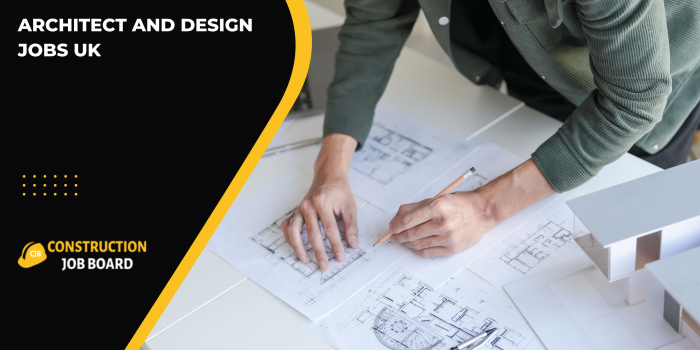
- Preparing designs and technical drawings
- Managing project schedules and documentation
- Estimating costs and tracking budgets
- Coordinating communication between stakeholders
- Supporting regulatory and compliance processes
These roles help ensure that construction projects remain aligned with plans, standards, and timelines.
Key Differences Between Site-Based and Office-Based Roles
Nature of Work
Site-based roles focus on physical execution, while office-based roles emphasise planning, coordination, and analysis.
Work Environment
Site-based jobs are performed in variable physical environments, whereas office-based jobs are typically carried out in structured indoor settings.
Schedule and Workflow
Site-based work often follows project-driven schedules tied to construction phases. Office-based roles may operate on more consistent working patterns, though they still align with project milestones.
Collaboration Between Site and Office Teams
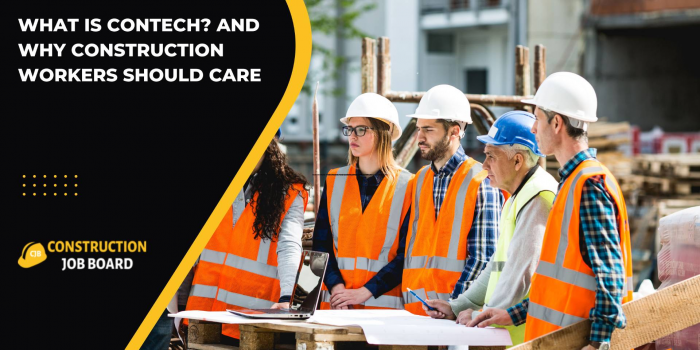
Successful construction projects depend on close collaboration between site-based and office-based teams. Information flows continuously between these groups to support decision-making and problem resolution.
Examples of collaboration include:
- Design clarifications
- Progress reporting
- Issue resolution
- Compliance verification
Clear communication channels help align physical work with project objectives.
Hybrid Construction Roles
Some construction jobs combine site-based and office-based responsibilities. These hybrid roles may involve:
- Regular site inspections
- Office-based planning or reporting
- Coordination between multiple teams
Hybrid roles help bridge the gap between execution and oversight.
Skills and Competencies Across Environments
Both site-based and office-based construction jobs require role-specific competencies. However, some shared skill areas include:
- Communication
- Safety awareness
- Technical understanding
- Coordination and organisation
Different environments emphasise different aspects of these skills.
Health, Safety, and Compliance Considerations
Health and safety requirements apply across both site-based and office-based construction roles, though their application differs by environment.
Site-based roles typically involve:
- Physical risk management
- Equipment and machinery safety
- Site induction processes
Office-based roles focus more on:
- Regulatory documentation
- Planning compliance
- Risk assessment coordination
Importance of Both Role Types
Construction projects rely equally on site-based and office-based roles. Physical construction cannot proceed without planning and coordination, and planning has limited value without effective execution.
The balance between these roles supports:
- Project efficiency
- Safety compliance
- Quality outcomes
- Regulatory alignment
Conclusion
Site-based and office-based construction jobs serve distinct but interconnected functions within the UK construction industry. Site-based roles focus on physical project delivery, while office-based roles provide planning, coordination, and oversight support.
By understanding the key differences between these work environments, readers can gain a clearer view of how construction projects are organised and managed across the UK.
FAQs
1️⃣ What are site-based construction jobs?
Site-based construction jobs involve working directly on construction sites where physical building and installation activities take place.
2️⃣ What are office-based construction jobs?
Office-based construction jobs focus on planning, coordination, documentation, and oversight functions that support construction projects.
3️⃣ Do all construction jobs take place on-site?
No. Many construction roles are office-based or hybrid, combining office work with site visits and coordination activities.
4️⃣ How do site and office construction teams work together?
Site and office teams collaborate through information sharing, progress reporting, design coordination, and compliance management.
5️⃣ What are hybrid construction roles?
Hybrid construction roles involve both site-based and office-based responsibilities, supporting coordination between project planning and execution.
6️⃣ Why are both site-based and office-based roles important?
Both roles are essential for successful construction projects, ensuring that planning, compliance, and physical delivery are aligned.