What Does a Steel Fixer Do? Reinforcement Work, Skills and Construction Career Paths
26/10/2026
What Does a Steel Fixer Do? Reinforcement Work, Skills and Construction Career Paths
What Does a Steel Fixer Do?
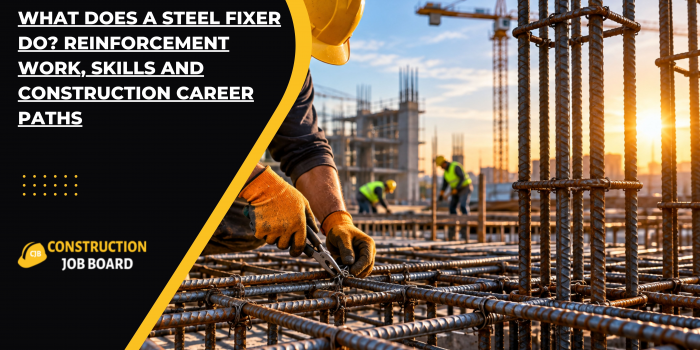
A steel fixer prepares, positions and secures steel reinforcement bars and mesh used to strengthen concrete structures. Steel reinforcement helps concrete withstand forces that could otherwise cause cracking or structural failure. Steel fixers follow construction drawings and project specifications to install reinforcement in the correct positions before concrete is poured.
Steel fixers work on projects such as bridges, foundations, roads, tunnels, commercial buildings, residential developments and other reinforced concrete structures. Their work is important because reinforcement must be installed accurately to meet the design requirements of the structure.
The role requires practical ability, attention to detail, an understanding of construction drawings and a strong commitment to health and safety. Some workers enter through entry-level construction positions, while others develop their skills through specialist training and on-site experience.
What Are the Main Responsibilities of a Steel Fixer?
The daily responsibilities of a steel fixer depend on the project, the type of structure and the reinforcement system being installed.
Typical duties include:
- Reading construction drawings: Understanding reinforcement layouts, bar sizes, spacing and positioning details.
- Preparing reinforcement materials: Identifying the correct steel bars, mesh and associated materials for the task.
- Cutting and bending reinforcement: Preparing steel to the required dimensions using approved tools or machinery, where trained and authorised.
- Positioning steel bars: Installing reinforcement according to drawings and project specifications.
- Tying reinforcement: Securing intersecting bars with suitable tying methods and materials.
- Installing reinforcement mesh: Positioning mesh where specified for slabs, walls or other concrete elements.
- Maintaining cover and spacing: Helping ensure reinforcement is correctly positioned with the required concrete cover and spacing.
- Checking completed work: Identifying discrepancies and reporting issues before the reinforcement is inspected or concrete is placed.
- Following site safety procedures: Using appropriate protective equipment and following instructions for lifting, handling and working around exposed steel.
Steel fixers generally work as part of a wider construction team. They may coordinate with steel-fixing supervisors, concrete workers, site engineers, crane operators and other trades.
The exact responsibilities depend on the worker's experience and the project's requirements. Reinforcement should be installed according to approved drawings and specifications, with design-related queries referred to the appropriate technical personnel.
Why Is Steel Fixing Important in Construction?
Concrete is strong under compression but has limited tensile strength. Steel reinforcement helps concrete structures resist tensile forces and other loads specified by the structural design.
Accurate steel fixing supports the structural performance of foundations, columns, beams, slabs, retaining walls and other reinforced concrete elements.
Steel fixing is important because it helps ensure that:
- Reinforcement is positioned according to the approved design.
- Required spacing and concrete cover are maintained.
- Bars and mesh are secured before concrete placement.
- Reinforcement is ready for inspection at the appropriate stage.
- Construction teams can progress to concrete placement without avoidable rework.
Incorrect reinforcement positioning can affect the finished structure and may require remedial work. Steel fixers therefore need to follow drawings carefully and report discrepancies rather than making unauthorised changes.
What Skills Does a Steel Fixer Need?
Employers may look for practical construction experience, reliability and the ability to work accurately. The specific skills required vary by vacancy.
Understanding construction drawings
Steel fixers need to interpret reinforcement details, including bar sizes, spacing, shapes and positions. The ability to follow drawings helps ensure the reinforcement matches the project specification.
Practical and manual skills
The work involves handling reinforcement materials, tying bars and using appropriate tools. Workers must follow safe working methods and use equipment only when trained and authorised.
Attention to detail
Small differences in bar positioning, spacing or cover can matter. Steel fixers must check their work and raise concerns when the installation does not match the drawings.
Teamwork and communication
Steel fixing usually involves working alongside other trades and construction personnel. Clear communication helps coordinate material deliveries, lifting operations, inspections and concrete placement.
Physical fitness and stamina
The job may involve standing, bending, lifting, repetitive movements and working outdoors. Workers should follow manual-handling procedures and use mechanical assistance when required.
Health and safety awareness
Steel reinforcement can create hazards such as sharp edges, protruding bars, unstable materials and manual-handling risks. Workers must follow site rules, use appropriate protective equipment and comply with safe handling and storage arrangements.
What Qualifications or Training Do Steel Fixers Need in the UK?
There is no single qualification that every steel fixer must hold for every UK construction project. Requirements depend on the employer, the nature of the work, the worker's experience and site-access arrangements.
Useful routes into the occupation may include:
- On-the-job training: Learning reinforcement handling and installation under suitable supervision.
- Construction apprenticeships: Exploring relevant construction pathways where an employer and suitable training programme are available.
- Vocational qualifications: Checking whether relevant construction or reinforcement-related qualifications are available and recognised for the intended role.
- Health and safety training: Completing the training required for the tasks and site.
- CSCS card requirements: Confirming whether the employer or project requires a particular card and which eligibility route applies.
Some roles may also require additional training for specialist equipment or lifting-related activities. Workers should not undertake tasks outside their training or authorisation.
Before enrolling on a course or applying for a card, candidates should check the vacancy requirements and verify details with the relevant awarding or certification organisation.
Where Do Steel Fixers Work?
Steel fixers are employed across a wide range of construction and civil engineering projects.
Building foundations: Reinforcement is installed in foundations and ground beams before concrete placement.
Commercial buildings: Steel fixers work on reinforced concrete slabs, columns, beams and cores in offices and other large buildings.
Residential developments: Reinforcement may be required for foundations, retaining structures and other designed concrete elements.
Bridges and transport infrastructure: Road, rail and bridge projects often require reinforcement work for structural concrete components.
Tunnels and civil engineering: Specialist infrastructure projects can involve complex reinforcement layouts and demanding site conditions.
Industrial developments: Warehouses, factories and other industrial buildings may require reinforced concrete foundations and structural elements.
Project size, location and design influence the tools, materials and working arrangements used by steel fixers.
How Can You Start a Career as a Steel Fixer?
People interested in steel fixer jobs can explore several routes into the occupation.
1. Search for suitable entry-level roles
Look for vacancies using terms such as steel fixer, steel fixing operative, reinforcement fixer and construction operative. Check whether the employer is willing to train applicants or expects previous steel-fixing experience.
2. Develop practical construction skills
Experience in construction labouring or related site work may help candidates understand site procedures, material handling and teamwork. However, steel fixing is a specialist activity, so general labouring experience does not automatically demonstrate competence in reinforcement installation.
3. Learn to read reinforcement drawings
Developing the ability to understand construction drawings and reinforcement details can help with accuracy and future progression.
4. Complete relevant training
Review the training, card and safety requirements stated in job advertisements. Choose recognised training that matches the work you intend to perform.
5. Prepare a targeted CV
Highlight relevant experience, safety awareness, practical skills, drawing-reading ability and any applicable qualifications. Use examples that accurately reflect your experience.
For experienced applicants, it can be useful to describe the types of reinforcement work and construction projects they have supported, without disclosing confidential project information.
What Career Progression Is Available for Steel Fixers?
Steel fixers may develop their careers through greater technical experience, additional training and increased responsibility.
Potential progression routes include:
- Experienced steel fixer: Taking on more complex reinforcement work and supporting less experienced colleagues.
- Steel-fixing chargehand: Helping organise daily tasks and coordinate a small team.
- Steel-fixing supervisor: Overseeing work allocation, progress and compliance with project requirements.
- Reinforcement or rebar specialist: Developing expertise in particular reinforcement systems or complex projects.
- Construction site supervisor: Exploring broader site coordination responsibilities after gaining the necessary experience and training.
Progression depends on competence, available opportunities and employer requirements. Supervisory positions may require additional knowledge of planning, quality control, communication and health and safety.
How Can You Find Steel Fixer Jobs in the UK?
When searching for steel fixer jobs UK, use different job-title variations because employers may describe similar vacancies differently.
Useful search terms include:
- Steel fixer jobs UK
- Steel fixing operative jobs
- Reinforcement steel fixer jobs
- Construction steel fixing jobs
- Experienced steel fixer vacancies
- Steel-fixing supervisor jobs
Check each listing for location, experience requirements, employment type, project details, required cards and any specialist training.
Your application should demonstrate practical competence, reliability, understanding of construction drawings and commitment to safe working practices. If you are new to the occupation, focus on relevant transferable skills and vacancies that offer suitable training.
You can also explore relevant construction vacancies through Construction Job Board UK, using available job-search filters to identify suitable roles and locations.
Key Takeaways
- Steel fixers install and secure reinforcement bars and mesh used in reinforced concrete structures.
- Accurate positioning, spacing and concrete cover are important parts of reinforcement work.
- Construction drawing interpretation, practical ability and attention to detail are valuable skills.
- Training, qualification and CSCS card requirements vary according to the vacancy and project.
- Entry routes may include supervised site experience, vocational training and relevant apprenticeships.
- Experienced steel fixers may progress into chargehand, supervisory or specialist reinforcement roles.
Frequently Asked Questions
1. What does a steel fixer do on a construction site?
A steel fixer prepares, positions and secures reinforcement bars and mesh according to construction drawings and project specifications. The reinforcement is checked before concrete is placed.
2. Do steel fixers need a CSCS card in the UK?
Some employers and construction projects require an appropriate CSCS card for site access or particular roles. Requirements vary, so applicants should confirm the relevant card and eligibility criteria with the employer.
3. Can you become a steel fixer without experience?
Some employers may offer supervised entry-level opportunities, while other vacancies require previous steel-fixing experience. Construction labouring experience can be useful, but specialist reinforcement skills still need to be developed.
4. What skills are important for steel fixing?
Important skills include reading construction drawings, accurately positioning reinforcement, tying bars, teamwork, practical ability and health and safety awareness.
5. What career progression is available for steel fixers?
With suitable experience and training, steel fixers may progress to experienced specialist roles, chargehand positions, steel-fixing supervision or other construction site responsibilities.