19/10/2026
What Does a Construction Insulation Installer Do? Skills, Training and Career Options
What Does a Construction Insulation Installer Do?
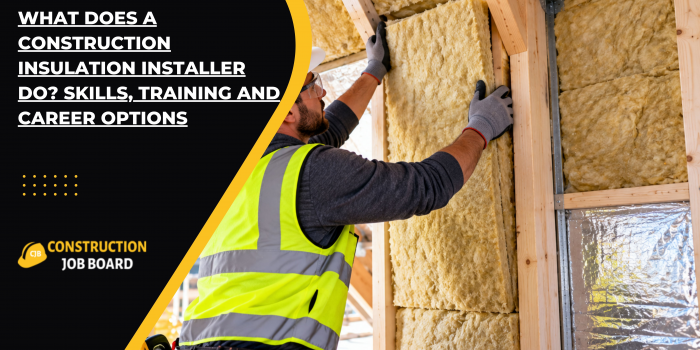
A construction insulation installer fits insulation materials in buildings to help manage heat transfer, improve energy efficiency and, where specified, support acoustic or fire-performance requirements. The work may involve roofs, lofts, walls, floors, pipework or specialist building systems, depending on the installer’s training and the project.
In the UK, insulation installers work on new-build developments, commercial properties, industrial facilities and existing buildings undergoing refurbishment or energy-efficiency improvements. Their tasks can include measuring spaces, preparing surfaces, cutting materials to size and installing insulation in accordance with project specifications and manufacturer instructions.
People searching for construction insulation installer jobs in the UK may find opportunities with insulation contractors, housebuilders, retrofit businesses, building services companies and specialist construction firms.
The role requires practical skills, attention to detail and knowledge of safe material handling. Correct installation matters because gaps, compression, moisture problems or unsuitable materials can reduce performance.
What Are the Main Duties of an Insulation Installer?
An insulation installer’s responsibilities vary according to the building, material and system being installed. Typical duties include:
- Measuring walls, floors, roofs, lofts or pipework to determine insulation requirements.
- Preparing designated surfaces and work areas.
- Cutting insulation materials to the required dimensions.
- Installing insulation boards, rolls, batts, blankets or other specified products.
- Fitting materials around openings and building features while following system requirements.
- Applying specified fixings, membranes or sealing products where required.
- Checking the installation for visible gaps, damage or incorrect fitting.
- Following drawings, manufacturer instructions and site specifications.
- Handling and storing insulation materials safely.
- Coordinating with other trades to avoid disrupting building components or services.
Some installers focus on domestic loft and cavity-wall insulation, while others work with external wall insulation, commercial building envelopes or industrial pipework. Specialist installations may require additional training and authorisation.
Where Do Construction Insulation Installers Work in the UK?
Insulation installers support several areas of construction and property improvement.
Residential construction: Housebuilders use insulation installers to fit specified materials in roofs, floors and walls of new houses and flats.
Commercial buildings: Offices, schools, hotels and retail buildings may require insulation as part of new construction or refurbishment.
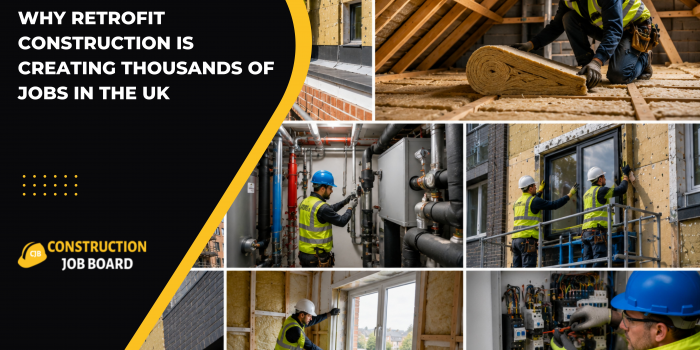
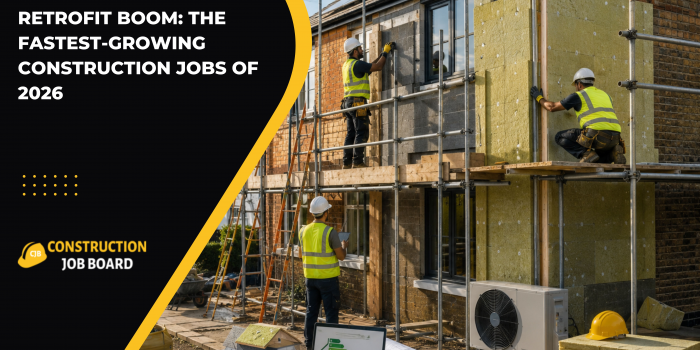
Energy-efficiency improvements: Existing homes and buildings may need insulation upgrades as part of planned renovation or retrofit work.
Industrial facilities: Specialist contractors may install thermal insulation around pipework, equipment and industrial systems.
Roofing and building-envelope projects: Insulation installers may work with roofing and external wall systems to achieve the specified thermal performance.
The exact duties depend on the insulation system, building type and employer. Candidates should check whether a vacancy covers domestic insulation, commercial construction or specialist industrial work.
What Skills Do You Need to Become an Insulation Installer?
Insulation installation requires accuracy, practical ability and an understanding of building details.
Measuring and cutting: Materials need to be measured and cut accurately to suit the intended space and installation method.
Attention to detail: Gaps, poorly fitted joints or compressed materials can reduce the performance of some insulation systems.
Material knowledge: Installers need to understand the products they use and follow the relevant handling and installation instructions.
Safe tool use: The role may involve knives, cutting equipment, access equipment and other tools that require appropriate training.
Teamwork: Insulation installers coordinate with roofers, electricians, plumbers, dryliners and other construction trades.
Problem-solving: Workers must identify unsuitable surfaces, unexpected obstructions or installation issues and report them to the supervisor.
Safety awareness: Some insulation materials can produce dust or fibres during handling or cutting. Suitable controls and protective equipment are important.
Experience in general construction, roofing, drylining or building refurbishment can be useful when entering this trade.
What Qualifications Do You Need to Become an Insulation Installer in the UK?
There is no single qualification required for every insulation installation role. Some employers provide training, while others look for relevant experience or industry-specific credentials.
Possible entry routes include:
- Employer-led training and supervised practical experience.
- An apprenticeship or relevant vocational training route, where available.
- Training in a particular insulation system or installation method.
- Appropriate construction site safety training.
- A CSCS card or another accepted site credential where required by the employer or project.
Certain specialist roles may require additional evidence of competence, particularly where the work involves complex systems, industrial environments or particular installation standards.
Applicants should check the requirements in each vacancy and ask whether the employer provides training. Do not assume that a general construction card automatically proves competence to install every type of insulation.
Why Is Correct Insulation Installation Important?
Insulation helps buildings meet their intended thermal performance, but its effectiveness depends on the material, design and quality of installation.
Important considerations include:
- Using the insulation specified for the project.
- Fitting materials according to the manufacturer's instructions.
- Avoiding gaps and unwanted compression where these would affect performance.
- Following requirements for vapour control, ventilation and moisture management.
- Keeping insulation clear of areas where the design requires ventilation or safe separation.
- Coordinating insulation with electrical services, plumbing and other building components.
- Following the relevant fire-safety and building requirements.
- Reporting damaged materials or unexpected building conditions.
Insulation must not be installed in a way that creates moisture problems or compromises fire safety. Installers should follow the approved design and seek guidance from a competent supervisor when details are unclear.
Older buildings can also contain hazardous materials. Workers should stop and report suspected asbestos-containing materials rather than disturb them.
What Is the Career Progression for an Insulation Installer?
Insulation installation can provide a route into specialist building work, retrofit projects and supervisory roles.
Trainee insulation installer: Learns safe material handling, measuring, cutting and basic installation methods under supervision.
Insulation operative: Installs specified materials and systems within their training and competence.
Experienced insulation installer: May specialise in domestic, commercial, external wall, roof or industrial insulation.
Installation supervisor: Coordinates workers, checks installation quality and helps ensure the work follows the project specifications.
Retrofit or insulation project coordinator: With suitable additional training and experience, some workers may move into project coordination, quality control or specialist retrofit work.
Insulation contractor: Experienced professionals may progress towards managing a team or running a specialist installation business.
Career development depends on practical experience, training, project opportunities and the requirements of the chosen specialism.
What Should You Include When Applying for Insulation Installer Jobs?
A strong CV should explain your experience with insulation products and the types of buildings or systems you have worked on.
Include:
- Previous insulation, roofing, drylining or construction experience.
- The types of insulation materials or systems you have installed.
- Experience measuring, cutting and fitting materials.
- Relevant training, qualifications and site credentials.
- Knowledge of manufacturer instructions and safe material handling.
- Experience coordinating work with other construction trades.
- Your availability, preferred work locations and willingness to travel, where relevant.
If you are new to the occupation, highlight transferable practical skills and any relevant training. Look for trainee positions that clearly explain their supervision and development arrangements.
Where Can You Find Construction Insulation Installer Jobs in the UK?
Insulation installer vacancies may be advertised by construction job boards, specialist insulation contractors, housebuilders, building refurbishment companies and energy-efficiency businesses.
Before applying, check whether the position involves loft insulation, wall insulation, external systems, commercial construction or industrial thermal insulation. The skills and training requirements can differ considerably.
Review the job location, employment type, experience requirements, working conditions and any requested qualifications. Construction Job Board UK can help candidates explore relevant construction vacancies.
Key Takeaways
- Construction insulation installers fit materials to help buildings achieve their specified thermal or other performance requirements.
- Duties may involve walls, roofs, floors, pipework and specialist insulation systems.
- Accurate measuring, cutting, material handling and installation are important skills.
- Training and card requirements vary by employer, project and type of insulation work.
- Correct installation helps prevent performance problems and must follow design, moisture-management and fire-safety requirements.
- Experienced installers may progress into specialist installation, supervision or project coordination.
Frequently Asked Questions About Insulation Installer Jobs
1. What does a construction insulation installer do?
A construction insulation installer measures, cuts and fits insulation materials in buildings or around specified systems. The aim is to achieve the performance required by the project design and manufacturer instructions.
2. Do you need qualifications to become an insulation installer?
Requirements vary by employer and role. Some employers provide supervised training, while others require relevant experience, vocational training or a site credential.
3. What types of insulation can installers work with?
Depending on their training, installers may work with insulation boards, rolls, batts, blankets, external wall systems or specialist thermal insulation for pipework and equipment.
4. Can you become an insulation installer without experience?
Some employers recruit trainees or entry-level construction operatives and provide practical training. Candidates should check whether the vacancy accepts beginners and what training is available.
5. Is insulation installation physically demanding?
It can involve carrying materials, cutting products, working in confined spaces or accessing roofs and lofts. The physical demands depend on the system and work environment, and appropriate safety measures are essential.