24/09/2026
What Construction Jobs Are Available in Renewable Energy Projects?
Renewable energy projects are creating construction opportunities across areas such as solar farms, wind farms, battery storage facilities, grid infrastructure and related civil engineering works. Renewable energy construction jobs can suit professionals across skilled trades, engineering, surveying, project management, site management and specialist construction disciplines.
Direct Answer
Renewable energy projects require many of the same construction professionals found on traditional infrastructure and building projects, including civil engineers, site managers, project managers, quantity surveyors, electricians, groundworkers, plant operators and skilled tradespeople. Some projects also require specialist knowledge related to renewable-energy systems, electrical infrastructure, environmental requirements and digital project management.
This means construction professionals do not necessarily need to move into a completely different industry to work on renewable-energy projects. Their existing construction skills can often provide a foundation for moving into this growing area of infrastructure.
Key Takeaways
- Renewable-energy projects require a wide range of construction roles.
- Civil engineering and groundworks are important during project preparation.
- Electrical professionals are particularly relevant to solar, wind and battery projects.
- Site managers coordinate construction activities and contractors.
- Quantity surveyors can work across procurement and commercial management.
- Project managers oversee delivery, programme and stakeholder coordination.
- Renewable projects can involve remote and regional construction locations.
- Health and safety remains a central requirement.
- Environmental and sustainability knowledge can add value to a construction career.
- Existing construction experience can provide a route into renewable-energy projects.
What Types of Renewable Energy Projects Need Construction Workers?
Renewable energy is not limited to one type of project.
Construction professionals may work on:
- Solar farms
- Rooftop solar installations
- Onshore wind farms
- Offshore wind infrastructure
- Battery energy storage facilities
- Hydroelectric projects
- Renewable-energy manufacturing facilities
- Grid connection infrastructure
- Substations
- Energy infrastructure upgrades
- Associated roads and access infrastructure
Each project has different construction requirements.
A solar farm, for example, may involve significant ground preparation, foundations, access roads, cable installation and electrical works.
A wind project can involve civil engineering, foundations, roads, crane access, electrical infrastructure and specialist installation activities.
Which Construction Jobs Are Available on Renewable Energy Projects?
A broad range of construction careers can be involved.
Civil Engineer
Civil Engineers can be involved in infrastructure design, site preparation, foundations, access roads, drainage and other elements of renewable-energy projects.
For large projects, civil engineering work can begin well before the main energy equipment is installed.
Site Manager
Site Managers can coordinate day-to-day construction activities, subcontractors, materials, programme requirements, quality and health and safety.
Renewable projects can involve multiple contractors working across large sites, making coordination particularly important.
Project Manager
Project Managers may oversee the wider delivery of renewable-energy construction projects.
Responsibilities can include:
- Programme management
- Contractor coordination
- Stakeholder communication
- Risk management
- Budget monitoring
- Quality
- Project reporting
The exact responsibilities depend on the project and employer.
Quantity Surveyor
Quantity Surveyors can contribute to the commercial side of renewable-energy construction.
Their work may include:
- Cost planning
- Procurement
- Contract administration
- Valuations
- Subcontract management
- Cost reporting
- Commercial risk management
The principles of quantity surveying remain relevant even though the project sector is different.
Electrical Construction Roles
Electrical professionals can have important roles on solar, wind, battery and grid-related projects.
Depending on the project, work can include electrical installation, cabling, testing, commissioning and connection infrastructure.
Candidates should always check the specific qualifications and certification requirements stated in the vacancy.
Groundworkers
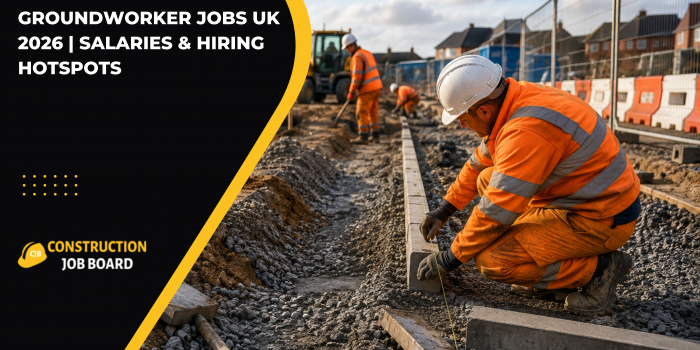
Groundworkers can be involved in site preparation and infrastructure works.
Their responsibilities may include:
- Excavation
- Drainage
- Foundations
- Concrete works
- Ducting
- Cable routes
- Site infrastructure
The exact work varies considerably between renewable-energy projects.
Plant Operators
Large infrastructure projects can require operators for construction plant and equipment.
Experience with relevant machinery, site procedures and required certifications may be important depending on the position.
What Does a Site Manager Do on a Renewable Energy Project?
The Site Manager can act as an important link between the project plan and construction activities taking place on site.
Responsibilities may include coordinating contractors, monitoring progress, managing site documentation, supporting safety procedures and ensuring work is completed according to project requirements.
Renewable-energy sites can be large and geographically dispersed.
That can create additional logistical considerations around:
- Access
- Materials
- Workforce coordination
- Plant movement
- Weather
- Temporary facilities
- Communication between teams
Experience managing complex or infrastructure-based construction projects can therefore be relevant.
Do Quantity Surveyors Work in Renewable Energy?
Yes. Renewable-energy projects have commercial requirements just like other major construction and infrastructure projects.
A Quantity Surveyor may work on procurement, cost management, valuations, subcontractor accounts and contract administration.
For someone already working in commercial construction, renewable energy can therefore represent a sector transition rather than a complete career change.
Candidates interested in these opportunities can explore Quantity Surveyor Jobs and review individual vacancies for sector-specific requirements.
What Skills Are Useful for Renewable Energy Construction Jobs?
The required skills vary by position, but several capabilities can be valuable across projects.
Construction Knowledge
Understanding construction methods, sequencing, materials and site operations remains important.
Health and Safety
Renewable-energy projects involve construction hazards, plant, electrical systems, lifting operations and other risks depending on the project.
Relevant safety training and experience should therefore be clearly presented on a CV.
Project Coordination
Large renewable projects can involve multiple contractors, consultants, suppliers and stakeholders.
Communication and coordination skills can therefore be important.
Technical Knowledge
Engineers and specialist trades may need specific technical knowledge relevant to the technology being installed.
Environmental Awareness
Renewable projects have environmental considerations relating to land, biodiversity, planning, waste and construction impacts.
An understanding of environmental requirements can complement existing construction skills.
Digital Skills
Modern construction projects increasingly use digital tools for design, project management, documentation, surveying and information sharing.
Experience with relevant construction software can strengthen a candidate's overall profile.
Do You Need Renewable Energy Experience Before Applying?
Not always.
Some roles may specifically require previous renewable-energy or infrastructure experience.
Other employers may consider candidates with transferable construction experience.
For example, a civil engineer with infrastructure experience may have skills applicable to renewable projects.
Similarly, a Site Manager who has worked on large infrastructure projects may already have experience coordinating contractors, managing site activities and dealing with complex logistics.
The important point is to identify which existing skills transfer directly to the new sector.
How Can You Move From General Construction Into Renewable Energy?
A sector transition can start with your existing experience.
First, identify the type of renewable-energy project that interests you.
Then compare its job requirements with your current skills.
For example:
Civil construction → renewable infrastructure
Relevant transferable skills could include earthworks, drainage, foundations, roads and site management.
Commercial construction → renewable project delivery
Relevant skills could include procurement, contract administration, cost control and subcontractor management.
Electrical construction → solar, battery or grid projects
Relevant skills could include installation, testing, cabling and electrical infrastructure.
This approach makes it easier to identify realistic career pathways.
Are Renewable Energy Construction Jobs Mostly Office-Based?
No. Renewable-energy projects can require both site-based and office-based professionals.
Site-based roles can include:
- Site Managers
- Engineers
- Groundworkers
- Electricians
- Plant Operators
- Supervisors
- Skilled tradespeople
Office-based or hybrid roles can include:
- Project Managers
- Quantity Surveyors
- Design professionals
- Commercial Managers
- Planners
- Procurement professionals
Some roles may involve a mixture of office work, site visits and travel.
Are Renewable Energy Projects Located Outside Major Cities?
Many renewable-energy projects are located in areas where suitable land or infrastructure is available.
This can create construction opportunities outside major urban centres.
Wind, solar, grid and infrastructure projects may be found across different regions of the UK.
For job seekers, this means it can be useful to search by both construction role and location rather than focusing exclusively on major cities.
For example, someone searching for construction opportunities could combine a job title with regional searches and review whether travel, accommodation or relocation is involved.
What Should You Put on Your CV When Applying for Renewable Energy Construction Jobs?
Your CV should highlight transferable experience that matches the project.
Useful information could include:
- Infrastructure projects
- Civil engineering experience
- Site management
- Electrical experience
- Groundworks
- Foundations
- Project management
- Contract management
- Procurement
- Health and safety
- Environmental responsibilities
- Construction software
- Relevant qualifications
- Industry certifications
If you have already worked on an energy or infrastructure project, make that experience easy to find.
If you have not worked in renewable energy before, explain the construction experience that transfers to the role.
Can Apprentices and Entry-Level Workers Work on Renewable Energy Projects?
Yes, depending on the employer and project.
Entry routes can include apprenticeships, technical training, trade qualifications, site experience and junior construction positions.
Potential areas include:
- Electrical installation
- Civil engineering
- Groundworks
- Plant operations
- Construction support
- Engineering technician roles
The specific entry requirements vary considerably, so candidates should check each vacancy rather than assuming one qualification applies to every renewable-energy role.
What Should You Check Before Applying?
Before applying for a renewable-energy construction vacancy, check:
- Required qualifications
- Relevant certifications
- Site experience
- Travel requirements
- Location
- Shift patterns
- Project duration
- Technical requirements
- Health and safety requirements
- Whether previous renewable-energy experience is mandatory
This helps you distinguish between roles where your existing construction experience is transferable and those requiring specialist experience.
Final Thoughts
Renewable-energy projects can provide construction opportunities across civil engineering, electrical work, groundworks, surveying, site management, project management and skilled trades.
The sector is particularly relevant for construction professionals who want to work on infrastructure and energy projects while continuing to use existing industry skills.
Rather than assuming that renewable energy requires an entirely new career, construction workers can examine the skills they already have and identify where those skills overlap with renewable project requirements.
For job seekers, the most useful approach is to focus on the specific project type and vacancy requirements, then present relevant construction experience clearly on the CV.
FAQs
1. What construction jobs are available in renewable energy?
Renewable-energy projects can require civil engineers, site managers, project managers, quantity surveyors, electricians, groundworkers, plant operators, supervisors and other skilled construction professionals.
2. Do I need renewable energy experience to work on a renewable project?
Not always. Some vacancies require sector-specific experience, while others may accept transferable skills from construction, infrastructure, engineering or electrical work.
3. Do quantity surveyors work on renewable energy projects?
Yes. Quantity surveyors can contribute to procurement, cost management, valuations, contract administration, subcontract management and commercial reporting on renewable-energy projects.
4. Where are renewable energy construction jobs located?
Renewable-energy projects can be located across different parts of the UK, including areas outside major cities. Location and travel requirements vary according to the project.
5. Can construction workers move into renewable energy?
Yes. Construction workers may be able to transfer existing skills into renewable-energy projects. The relevant pathway depends on their current role, qualifications, experience and the requirements of the target vacancy.