23/09/2026
How Does BIM Experience Help You Get a Construction Job?
BIM experience can help construction professionals stand out when applying for roles that involve digital design, coordination, project information, planning and construction delivery. BIM experience for construction jobs is increasingly relevant across roles such as BIM Coordinator, BIM Technician, Design Manager, Project Manager, Quantity Surveyor and some site-based positions.
Direct Answer
BIM experience can help you get a construction job by demonstrating that you can work with digital project information, coordinate with other disciplines, understand construction models and support more efficient project delivery. Employers may value practical BIM experience alongside construction knowledge, qualifications and site or project experience.
You do not necessarily need to become a specialist BIM professional to benefit from BIM knowledge. Understanding how models, drawings, information and collaboration workflows are used can strengthen your CV for a range of construction careers.
Key Takeaways
- BIM skills can be relevant to both specialist and wider construction roles.
- Practical experience can be more useful than simply listing BIM software on a CV.
- BIM Coordinators, BIM Technicians and Design Managers often use BIM directly.
- Quantity Surveyors, Project Managers and site professionals can also benefit from BIM awareness.
- Software knowledge should be supported by examples of what you actually did.
- BIM can demonstrate digital, coordination and information-management skills.
- Construction experience combined with BIM knowledge can create a broader skills profile.
Why Is BIM Experience Relevant to Construction Employers?
Building Information Modelling has become an important part of digital construction workflows. BIM can involve creating, managing, coordinating and exchanging information about built assets throughout different stages of a project.
For employers, this means BIM knowledge can demonstrate more than software familiarity.
A candidate with BIM experience may understand how different project disciplines interact, how design information is coordinated and how digital models relate to construction activities.
This can be particularly relevant where projects involve multiple consultants, contractors, subcontractors and suppliers.
For job seekers, the important point is that BIM experience should be presented as a practical construction skill rather than simply a software keyword.
Which Construction Jobs Can Benefit From BIM Experience?
BIM is most directly associated with specialist digital construction roles, but its relevance can extend across several career paths.
BIM Technician
BIM Technicians may create, modify and maintain digital models and project information. Depending on the employer and project, they may work with architectural, structural, mechanical or electrical information.
Typical requirements can include knowledge of relevant BIM software, drawing standards, model coordination and information-management processes.
BIM Coordinator
BIM Coordinators often work between different project teams to support model coordination and information exchange.
Experience with coordination processes, clash detection, model review and multidisciplinary working can therefore be valuable.
Design Manager
Design Managers can benefit from understanding how digital models and project information are developed and coordinated.
BIM experience may help demonstrate an ability to work across design and construction teams.
Quantity Surveyor
Quantity Surveyors are not necessarily BIM specialists, but digital project information can be relevant to estimating, measurement, cost planning and project management.
A Quantity Surveyor who understands how to interpret digital project information may be able to work more effectively with design and project teams.
Project Manager
Project Managers increasingly work with large volumes of project information.
BIM awareness can help demonstrate familiarity with digital collaboration, design coordination and information-based project workflows.
Site Manager
Site professionals can also benefit from understanding how digital models and coordinated design information relate to actual construction activities.
The value depends on the employer, project and responsibilities of the role.
Does BIM Software Experience Matter on a Construction CV?
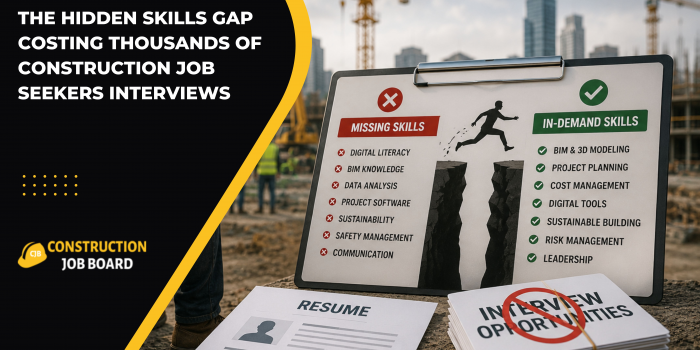
Yes, but simply listing software names is usually not enough.
For example, writing:
“Revit – Intermediate”
provides limited information.
A stronger CV could explain what the candidate actually used the software for, such as:
- Developing or editing construction models
- Producing drawings
- Reviewing models
- Supporting multidisciplinary coordination
- Identifying clashes
- Extracting project information
- Updating models
- Supporting design reviews
- Working from coordinated digital information
The second approach gives an employer more information about the candidate's practical experience.
What BIM Skills Should You Include on Your CV?
The most useful BIM skills to mention depend on the role you are applying for.
Potential areas include:
- BIM modelling
- Model coordination
- BIM collaboration
- Clash detection
- Digital construction
- Construction information management
- Revit
- Navisworks
- Civil 3D
- Autodesk Construction Cloud
- Common Data Environment workflows
- Model review
- Drawing production
- Multidisciplinary coordination
- Information exchange
- Digital project documentation
However, candidates should only list software and skills they genuinely understand.
Adding a long list of software packages without practical evidence can make a CV less credible.
How Can You Show BIM Experience Without Having a BIM Job Title?
You do not necessarily need a job title containing “BIM” to demonstrate BIM experience.
For example, a Site Engineer might have worked with coordinated models during construction.
A Quantity Surveyor might have used digital project information to support measurement or cost-related activities.
An Architectural Technologist might have developed models and coordinated information with structural and MEP teams.
A Project Manager might have participated in BIM-based design coordination meetings.
These experiences can be included on a CV even if BIM was only one part of the person's wider responsibilities.
The key is to explain how BIM was used in the project.
What Should You Include as Evidence of BIM Experience?
Specific project examples can make BIM experience more convincing.
Instead of simply stating:
“Experienced in BIM.”
Consider explaining:
- The type of project
- Your role
- The software used
- What you were responsible for
- Which disciplines you coordinated with
- What project information you handled
- How BIM supported the project
For example:
“Supported BIM coordination on a commercial building project, reviewing multidisciplinary models and assisting with drawing and information coordination.”
This gives considerably more context than a software list.
Can BIM Help Someone Moving Into Construction From Another Career?
BIM can provide an additional route into some construction-related digital roles, particularly for people with backgrounds in design, engineering, architecture, CAD or digital technologies.
However, software knowledge alone does not replace construction understanding.
Employers may still look for knowledge of:
- Construction processes
- Drawings
- Building components
- Health and safety
- Project delivery
- Quality requirements
- Communication
- Teamwork
- Construction terminology
This is why combining BIM knowledge with practical construction understanding can be useful.
Is BIM Experience Useful for Entry-Level Construction Jobs?
It can be, particularly when applying for junior digital construction, BIM, design or technician roles.
For an entry-level candidate, relevant evidence could include:
- BIM training
- College or university projects
- Apprenticeship experience
- Work placements
- Construction projects
- Model-based assignments
- CAD experience
- Portfolio work
Candidates should clearly distinguish between professional project experience and academic or training experience.
For example, a graduate should not describe a university project as commercial experience. Instead, explain what was completed as part of the course.
How Can BIM Experience Support Career Progression?
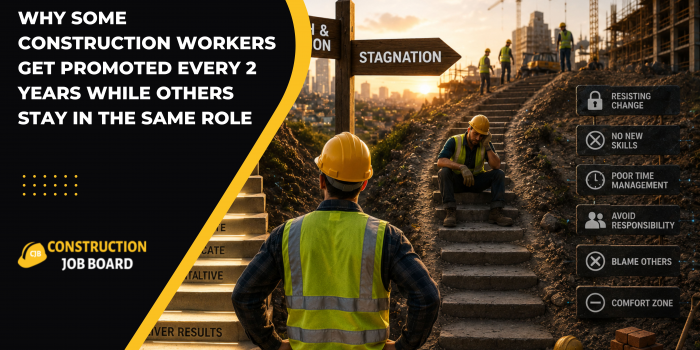
BIM can become one part of a broader construction career development path.
Someone may begin with CAD or modelling experience, move into a BIM Technician position and later progress toward BIM Coordination or BIM Management.
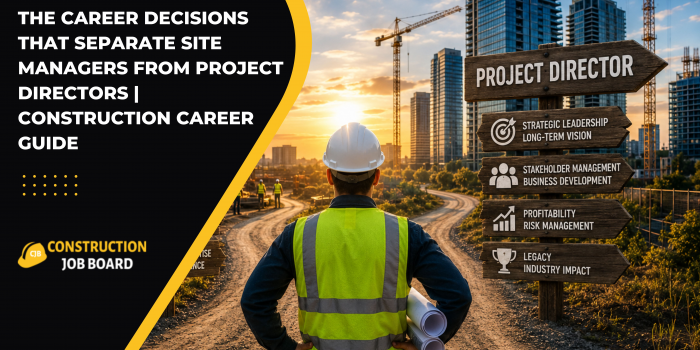
Alternatively, a construction professional may develop BIM knowledge alongside an existing career in quantity surveying, design management, project management or site management.
This creates different development routes rather than one single BIM career path.
The most useful combination will depend on the individual's existing construction experience, qualifications and target role.
How Should You Search for Construction Jobs Requiring BIM Skills?
Job seekers should avoid searching only for “BIM jobs”.
Relevant vacancies can appear under different titles, including:
- BIM Technician
- BIM Coordinator
- BIM Manager
- Digital Construction Technician
- Design Manager
- Design Coordinator
- Information Manager
- Architectural Technologist
- Civil Engineering Technician
- MEP BIM Coordinator
- Digital Engineering roles
You can also search broader construction categories and look for BIM requirements within individual job descriptions.
For example, someone searching for Quantity Surveyor Jobs may find vacancies where digital construction or BIM knowledge is listed as a desirable skill.
Similarly, candidates searching for Design Manager Jobs may find roles where BIM coordination forms part of the responsibilities.
What Is More Important: BIM Skills or Construction Experience?
There is no single answer because requirements vary by job.
A specialist BIM position may place significant emphasis on modelling, coordination and information-management experience.
A site-based position may place greater emphasis on practical construction experience, site knowledge, health and safety and project delivery.
For many roles, the strongest profile is not BIM knowledge by itself but a combination of construction expertise and digital capability.
That combination can show that a candidate understands both the technology and the environment in which it is being used.
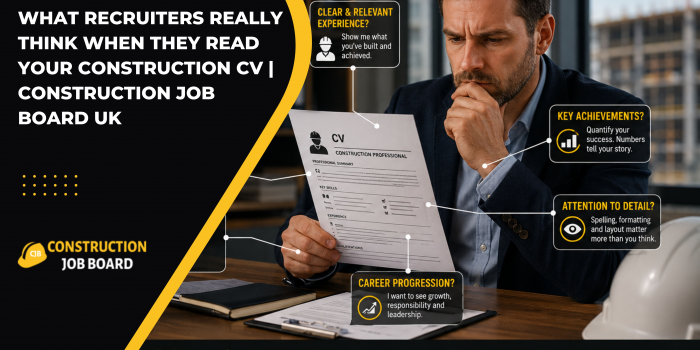
How Can You Make BIM Experience More Visible to Recruiters?
Make the connection between BIM and construction clear throughout your CV.
Instead of placing all BIM information in a separate “Skills” section, include relevant examples within your employment history and project experience.
For each relevant project, consider showing:
Project → Role → BIM responsibility → Software → Result or contribution
This format gives recruiters a clearer picture of your practical experience.
You can also use relevant construction terminology naturally throughout the CV, provided it accurately reflects your experience.
Final Thoughts
BIM experience can strengthen a construction CV because it demonstrates exposure to digital project workflows, coordination and information management.
However, BIM should not be treated simply as a list of software packages.
For construction professionals, the strongest evidence usually comes from showing how BIM was actually used on projects and how it connected with design, coordination, estimating, site work or project delivery.
Whether you are targeting a BIM-specific position or a wider construction role, combining digital capability with practical construction knowledge can create a broader professional profile.
FAQs
1. Can BIM experience help me get a construction job?
Yes. BIM experience can be useful for specialist BIM roles as well as construction positions involving design coordination, digital project information and project delivery.
2. Do I need a BIM qualification to work in construction?
Not necessarily. Requirements vary by role. Some employers may prioritise practical experience and software knowledge, while others may request specific qualifications or training.
3. Which construction jobs use BIM?
BIM is commonly associated with BIM Technicians, BIM Coordinators and BIM Managers, but digital project information can also be relevant to design managers, quantity surveyors, project managers, engineers and other construction professionals.
4. What BIM software should I put on my CV?
Only include software you have genuinely used or understand. Depending on your role, relevant tools may include Revit, Navisworks, Civil 3D and other BIM or construction information platforms.
5. Can BIM skills help me change careers into construction?
They can support a transition into certain digital construction, BIM, design and technician roles. However, construction knowledge, relevant training and practical experience may also be required depending on the position.