04/05/2026
Carpenter Jobs: Complete Guide to Skills, Tools, Salary, and Career Growth Opportunities
Introduction
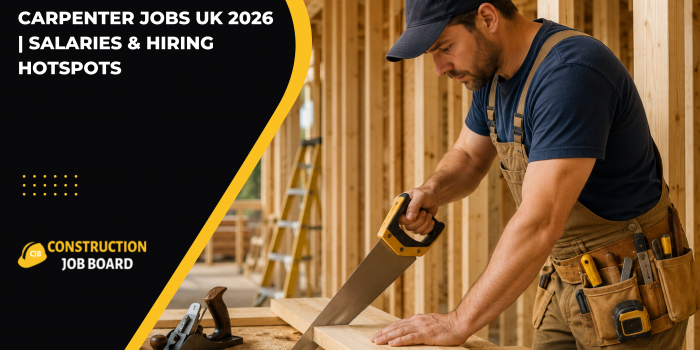
Carpenter jobs are among the most essential and versatile roles in the construction industry. From building structural frameworks to crafting detailed interior finishes, carpenters play a critical role in shaping residential, commercial, and industrial projects. With the ongoing growth in construction and infrastructure development, carpenter jobs continue to offer stable employment, competitive salaries, and long-term career opportunities.
For individuals who enjoy hands-on work, creativity, and precision, carpenter jobs provide a fulfilling career path. Whether working on large construction sites or small custom projects, carpenters contribute significantly to the quality and durability of structures.
What Are Carpenter Jobs?
Carpenter jobs involve constructing, installing, and repairing structures and fixtures made from wood, plywood, and other materials. These professionals work on a wide range of projects, including building frameworks, doors, windows, furniture, and interior finishes.
Carpenter jobs are found in various sectors such as:
- Residential construction
- Commercial building projects
- Renovation and remodeling
- Furniture and interior design
These roles require both technical expertise and creative skills to ensure high-quality workmanship.
Key Responsibilities of Carpenter Jobs
Professionals in carpenter jobs perform a variety of tasks depending on their specialization:
- Measuring, cutting, and shaping materials
- Constructing building frameworks such as walls, floors, and roofs
- Installing doors, windows, cabinets, and fixtures
- Reading and interpreting blueprints and technical drawings
- Repairing and maintaining wooden structures
- Ensuring safety standards and quality workmanship
These responsibilities make carpenter jobs both physically demanding and highly skilled.
Types of Carpenter Jobs
Carpenter jobs can be categorized into several specializations:
1. Rough Carpenter Jobs
Focus on structural work such as framing and roofing.
2. Finish Carpenter Jobs
Handle detailed interior work like cabinets, trims, and moldings.
3. Residential Carpenter Jobs
Work on houses, apartments, and housing projects.
4. Commercial Carpenter Jobs
Handle large-scale projects such as offices, malls, and buildings.
5. Furniture Carpenter Jobs
Specialize in crafting furniture and custom woodwork.
Each type of carpenter job offers unique challenges and opportunities.
Skills Required for Carpenter Jobs
To succeed in carpenter jobs, individuals need a combination of technical and practical skills:
1. Technical Skills
Understanding tools, materials, and construction methods is essential.
2. Precision and Attention to Detail
Accurate measurements and cuts are critical.
3. Physical Strength and Stamina
Carpentry involves lifting and manual labor.
4. Problem-Solving Skills
Carpenters often need to adjust designs and fix issues on-site.
5. Creativity
Especially important in finishing and furniture carpentry.
Tools Used in Carpenter Jobs
Carpenters use a variety of tools to perform their work efficiently:
- Hand tools (hammers, chisels, saws)
- Power tools (drills, circular saws, sanders)
- Measuring tools (tape measures, levels)
- Cutting and shaping equipment
Mastering these tools is essential for success in carpenter jobs.
Qualifications and Training
Most carpenter jobs require:
- Vocational training or carpentry courses
- Apprenticeship programs
- On-the-job training
- Basic safety certifications
Many professionals start as apprentices and gradually gain experience to become skilled carpenters.
Salary Expectations in Carpenter Jobs
Carpenter jobs offer competitive salaries depending on experience and specialization:
- Entry-level carpenter jobs provide steady wages
- Experienced carpenters earn higher income
- Specialized carpenters (finish or commercial) earn premium salaries
Self-employed carpenters and contractors often have higher earning potential based on projects.
Career Growth Opportunities
Carpenter jobs offer strong career progression:
- Senior carpenter
- Site supervisor
- Construction manager
- Independent contractor or business owner
With experience and skill development, carpenters can take on larger projects and leadership roles.
Why Carpenter Jobs Are in High Demand
The demand for carpenter jobs continues to grow due to:
- Increasing construction projects
- Renovation and remodeling trends
- Demand for custom furniture and interiors
- Skilled labor shortages
These factors ensure long-term job stability and opportunities.
How to Find Carpenter Jobs
To secure carpenter jobs:
- Use construction job boards
- Apply directly to contractors and companies
- Join apprenticeship programs
- Build a strong portfolio of work
Networking and gaining hands-on experience can significantly improve job prospects.
Tips to Get Hired Faster
- Gain practical experience through apprenticeships
- Learn advanced carpentry techniques
- Develop specialization (finish or furniture carpentry)
- Maintain a strong work portfolio
Employers prefer skilled, reliable, and detail-oriented candidates.
Challenges in Carpenter Jobs
While carpenter jobs are rewarding, they come with challenges:
- Physically demanding work
- Exposure to outdoor conditions
- Safety risks if precautions are not followed
- Tight project deadlines
Proper training and safety measures help manage these challenges effectively.
Future Scope of Carpenter Jobs
The future of carpenter jobs looks promising due to:
- Growth in construction and infrastructure
- Demand for sustainable and custom woodwork
- Expansion of interior design industries
Carpenters who upgrade their skills and adopt modern techniques will have strong career opportunities.
Conclusion
Carpenter jobs offer a stable, rewarding, and versatile career path in the construction industry. With strong demand, competitive salaries, and opportunities for growth, these roles are ideal for individuals who enjoy hands-on work and creativity.
Whether starting as an apprentice or advancing to a contractor role, carpenter jobs provide long-term career success and financial stability.
FAQs
1. What qualifications are needed for carpenter jobs?
Most carpenter jobs require vocational training or apprenticeships along with hands-on experience.
2. Are carpenter jobs in demand?
Yes, carpenter jobs are in high demand due to ongoing construction and renovation projects.
3. How much do carpenter jobs pay?
Salaries vary based on experience, but skilled carpenters earn competitive wages.
4. Can I start carpenter jobs without experience?
Yes, many carpenter jobs offer apprenticeship programs for beginners.
5. Is carpentry a good long-term career?
Yes, carpenter jobs provide strong career growth, stability, and opportunities for self-employment.