Construction Design Manager Jobs UK: Skills & Career Guide
20/11/2026
Construction Design Manager Jobs UK: Skills & Career Guide
What is a construction design manager?
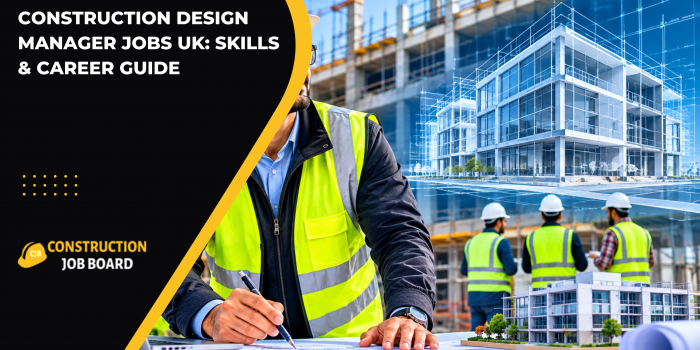
A construction design manager coordinates the design process for a construction project, making sure that architectural, structural, engineering and specialist designs work together before and during construction.
The role involves managing design information, coordinating consultants, reviewing drawings, monitoring design progress and helping project teams identify technical issues. Design managers also work with contractors, clients, architects, engineers and other stakeholders to make sure the design meets project requirements.
Construction design managers are involved in projects such as residential developments, commercial buildings, hospitals, schools, infrastructure and industrial facilities.
The position combines technical understanding, project coordination, communication and management skills. It is particularly relevant to people with experience in architecture, engineering, construction design or technical project delivery.
What are the main responsibilities of a construction design manager?
A construction design manager oversees different aspects of the design process throughout a construction project.
Typical responsibilities include:
- Coordinating architectural, structural and building services designs.
- Reviewing drawings and technical specifications.
- Managing design programmes and submission deadlines.
- Organising design coordination meetings.
- Communicating with architects, engineers and consultants.
- Identifying design clashes and technical conflicts.
- Monitoring design changes and their potential project impact.
- Supporting compliance with building regulations and project standards.
- Coordinating design information with site and commercial teams.
- Maintaining design records and documentation.
The precise responsibilities depend on the contractor, project size and delivery method. A design manager working on a major infrastructure project may coordinate several specialist design teams, while someone working for a smaller contractor may have a broader technical and coordination role.
How does a construction design manager work with architects and engineers?
Design managers act as a coordination point between different technical disciplines.
An architect may develop the building layout and appearance, while structural engineers design the supporting structure. Mechanical and electrical engineers develop systems for heating, ventilation, lighting, power and other building services.
These designs need to work together within the available space, budget, construction programme and technical requirements.
For example, a building services design may require ductwork that conflicts with structural beams. The design manager helps coordinate the relevant specialists so that the issue can be reviewed and resolved before it creates problems during construction.
This coordination helps reduce design inconsistencies, unnecessary rework and delays.
What qualifications do you need to become a construction design manager?
There is no single qualification required for every construction design manager position. Employers generally look for relevant technical education combined with construction or design coordination experience.
Common educational routes include:
- Architecture.
- Civil or structural engineering.
- Building services engineering.
- Construction management.
- Architectural technology.
- Building surveying.
- Other construction-related technical qualifications.
Some professionals enter the role through architectural practices, engineering consultancies or contractor design teams. Others progress from technical coordinator, design coordinator, architect or engineering positions.
Professional membership may also support career development. Depending on the individual's background, relevant organisations include:
- Chartered Institute of Building (CIOB)
- Royal Institute of British Architects (RIBA)
- Institution of Civil Engineers (ICE)
- Chartered Institution of Building Services Engineers (CIBSE)
Professional membership requirements differ between organisations and grades. It is important to check the relevant route rather than assuming that one qualification or membership is required for every design manager job.
What skills are important for construction design managers?
The role requires a combination of technical knowledge and management ability.
Technical design understanding: Knowledge of construction drawings, specifications, building systems and design coordination.
Communication: The ability to explain technical issues clearly to architects, engineers, contractors and clients.
Project coordination: Managing design activities, information submissions, deadlines and stakeholder responsibilities.
Problem-solving: Identifying design conflicts and helping teams agree practical solutions.
Commercial awareness: Understanding how design decisions may affect construction costs, materials and programme requirements.
Attention to detail: Checking technical information and identifying inconsistencies before they affect site work.
Leadership: Coordinating multidisciplinary teams and keeping design activities aligned with project objectives.
Employers may also look for experience with digital design tools, information management systems and Building Information Modelling (BIM).
How important is BIM in construction design management?
Building Information Modelling (BIM) is an important part of modern construction design coordination.
BIM supports the creation and management of structured digital information about a built asset. It can help project teams coordinate design models, identify clashes, review building information and manage changes.
Design managers may work with:
- Autodesk Revit.
- Navisworks.
- AutoCAD.
- BIM coordination platforms.
- Common Data Environments (CDEs).
- Digital drawing and document management systems.
The exact software depends on the employer and project. A design manager does not necessarily need to create every technical model personally, but understanding how design information is produced, shared and reviewed is valuable.
The UK BIM Framework provides guidance on implementing information management using the ISO 19650 series of standards.
What is the difference between a design manager and a project manager?
Both roles contribute to construction project delivery, but their responsibilities are different.
|
Area |
Construction Design Manager |
Construction Project Manager |
|
Main focus |
Design coordination and technical information |
Overall project delivery |
|
Design reviews |
Coordinates design reviews |
Monitors project-level requirements |
|
Consultants |
Coordinates design consultants |
Manages wider project stakeholders |
|
Programme |
Monitors design programme |
Manages overall project programme |
|
Cost |
Considers design-related cost implications |
Oversees wider project budget |
|
Site delivery |
Helps resolve design-related site issues |
Coordinates overall construction delivery |
The two roles work closely together. A design manager focuses on ensuring that design information is coordinated and suitable for construction, while a project manager oversees the wider delivery of the project.
What career progression is available for construction design managers?
Construction design management offers several progression routes.
A professional may begin as a graduate designer, architectural assistant, assistant design coordinator or technical coordinator. With relevant experience, they may progress into design coordinator and design manager positions.
Further career opportunities can include:
- Senior Design Manager.
- Lead Design Manager.
- Design Director.
- Technical Director.
- Head of Design.
- Pre-Construction Manager.
- Project Director.
Progression depends on technical experience, leadership ability, project complexity and the size of the organisation.
Some professionals also move into consultancy, client-side project management, digital construction management or specialist technical leadership.
What types of construction companies employ design managers?
Construction design managers work across different parts of the built environment sector.
Potential employers include:
- Main building contractors.
- Civil engineering and infrastructure contractors.
- Architectural and engineering consultancies.
- Property development companies.
- Specialist construction subcontractors.
- Facilities and asset management organisations.
- Public-sector construction and infrastructure bodies.
The type of employer can influence the role. A main contractor may focus heavily on buildability and coordination between design and construction teams. A consultancy may place greater emphasis on design development and technical delivery.
How can you find construction design manager jobs in the UK?
When searching for vacancies, use specific job titles because employers may advertise similar positions under different names.
Useful search terms include:
- Construction Design Manager.
- Assistant Design Manager.
- Senior Design Manager.
- Design Coordinator.
- Technical Design Manager.
- BIM Design Manager.
- Construction Technical Manager.
- Lead Design Manager.
Review job descriptions for the required technical background, software knowledge, project experience and professional qualifications.
Candidates should highlight examples of design coordination, technical problem-solving, consultant management, drawing reviews and project delivery on their CV.
Construction Job Board UK provides a platform for exploring construction vacancies across different job categories. Candidates can search relevant roles and compare opportunities based on their experience and career objectives.
Key Takeaways
- Construction design managers coordinate design information across different technical disciplines.
- The role connects architects, engineers, contractors, consultants and project teams.
- Relevant backgrounds include architecture, engineering, construction management and architectural technology.
- BIM and digital information management are increasingly important in design coordination.
- Design managers and project managers have different but closely connected responsibilities.
- Career progression can lead to senior design management, technical leadership and director-level positions.
Frequently Asked Questions
1. What does a construction design manager do?
A construction design manager coordinates architectural, structural and engineering design activities. They manage design information, review technical drawings, coordinate consultants and help resolve design issues before and during construction.
2. Do you need a degree to become a construction design manager?
A degree is common in this profession, particularly in architecture, engineering or construction-related subjects. However, employers may also consider relevant vocational qualifications and substantial technical experience.
3. What software do construction design managers use?
Common tools include Revit, Navisworks, AutoCAD, BIM coordination platforms and Common Data Environments. Software requirements vary according to the employer and project.
4. What is the difference between a design manager and a project manager?
A design manager focuses on coordinating technical design and design information. A project manager oversees wider project delivery, including programme, resources, cost, stakeholders and construction activities.
5. Is BIM important for construction design managers?
Yes. BIM supports digital design coordination, information management and collaboration between project teams. Understanding BIM processes and relevant software can be valuable for design management roles.
6. Can an architect become a construction design manager?
Yes. Architects can move into design management by developing experience in multidisciplinary coordination, construction delivery, technical reviews, design programmes and contractor-side project requirements.
7. What career progression is available for a construction design manager?
Career progression may include senior design manager, lead design manager, design director, technical director, head of design or pre-construction manager. Opportunities depend on experience and organisational structure.