How to Become a Facade Engineer in the UK: Skills, Qualifications, Salary and Career Opportunities
12/11/2026
How to Become a Facade Engineer in the UK: Skills, Qualifications, Salary and Career Opportunities
What does a Facade Engineer do in the UK?
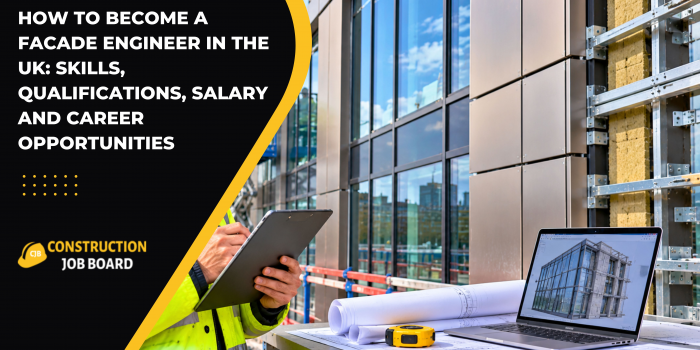
A Facade Engineer designs, assesses and develops the external envelope of buildings. This includes systems such as curtain walling, windows, glazing, rainscreen cladding, external wall insulation and other materials used to protect buildings from weather and environmental conditions.
Facade Engineers work with architects, structural engineers, contractors, manufacturers and specialist consultants to ensure that building exteriors meet requirements for structural stability, fire safety, thermal performance, weather resistance and appearance.
They contribute to residential developments, commercial buildings, hospitals, offices, industrial facilities and major infrastructure projects.
For people interested in engineering, architecture, building materials and modern construction technology, Facade Engineer jobs in the UK offer opportunities to work on technically challenging projects.
What are the main responsibilities of a Facade Engineer?
A Facade Engineer helps develop and assess building envelope systems from initial design through construction and installation.
Typical responsibilities include:
- Designing building facade systems
Engineers develop technical solutions for external building systems, including curtain walls, glazing, cladding panels and other facade materials.
- Reviewing structural performance
They assess how facade components respond to wind loads, building movement, temperature changes and other forces.
- Assessing thermal performance
Facade Engineers consider insulation, heat transfer, thermal bridging and condensation risks to help buildings meet energy performance requirements.
- Reviewing fire safety considerations
They contribute to the technical assessment of external wall systems, including material selection, cavity barriers, fire stopping and relevant fire performance requirements.
- Preparing technical drawings and specifications
They produce or review design drawings, engineering calculations, technical reports and specifications for construction teams and specialist contractors.
- Coordinating with design teams
They work alongside architects, structural engineers, building services engineers and manufacturers to ensure that facade systems integrate with the wider building design.
- Carrying out site inspections
Some roles involve visiting construction sites to inspect installation work, assess defects, review workmanship and help resolve technical issues.
- Supporting testing and quality assurance
Engineers may review laboratory and site testing, mock-ups, technical submissions and installation records to assess whether facade systems meet project requirements.
Current UK vacancies reflect these responsibilities. For example, a recent Facade Engineer vacancy advertised through the UK government's job service included facade assessments, design reviews, technical reports, inspections and remediation work.
What types of facade systems do Facade Engineers work with?
Facade Engineers work with several external wall systems, depending on the building's design, purpose and performance requirements.
Curtain walling: A non-load-bearing external wall system commonly used in commercial buildings and high-rise developments. It often incorporates aluminium framing and glazing.
Rainscreen cladding: An external cladding system designed to manage rainwater and provide a protective outer layer to a building.
Structural glazing: Systems that use glass as a major architectural element of the building exterior.
External wall insulation: Insulation systems installed on the outside of buildings to improve thermal performance.
Metal cladding: External panels made from materials such as aluminium, steel and other suitable metals.
Brick and stone facades: External wall systems that use traditional or engineered masonry materials.
Precast concrete panels: Factory-produced concrete elements used as external building components.
Understanding how these systems perform is an important part of facade engineering.
What qualifications do you need to become a Facade Engineer?
There is no single university degree required for every Facade Engineer vacancy. Employers generally look for a relevant engineering or built-environment qualification, combined with technical knowledge and practical experience.
Common educational routes include:
- Degree in Civil Engineering
- Degree in Structural Engineering
- Degree in Architectural Engineering
- Degree in Mechanical Engineering
- Degree in Building Engineering
- Master's degree in Facade Engineering or a related specialist subject
Some employers may also consider candidates with relevant experience in architecture, construction design, building physics or facade manufacturing.
A postgraduate qualification can be useful for developing specialist knowledge of building envelopes, facade materials, structural behaviour and thermal performance.
For example, Arup's graduate facade engineering opportunities identify relevant academic backgrounds such as civil, structural and architectural engineering, as well as materials science and mechanical engineering.
Practical experience is equally valuable. Graduate engineers may develop their skills through supervised design work, technical assessments, site visits and professional development.
Which technical skills and software should a Facade Engineer learn?
Employers look for engineers who understand building systems and can apply engineering principles to real construction projects.
Important technical skills include:
- Understanding structural engineering principles
- Knowledge of facade materials and construction systems
- Interpreting architectural and engineering drawings
- Understanding wind loading and structural calculations
- Knowledge of thermal performance and condensation risks
- Understanding fire safety principles for external walls
- Preparing technical reports and design specifications
- Coordinating with architects and contractors
- Identifying construction defects and design problems
Digital skills are also important.
Commonly relevant software includes:
AutoCAD: Used to prepare and review technical drawings and construction details.
Revit: Supports building information modelling and coordination between design disciplines.
Structural analysis software: Used for engineering calculations and assessing structural behaviour.
Thermal analysis tools: Help evaluate heat transfer, thermal bridging and condensation-related performance.
Building information modelling tools: Support the coordination of facade designs with the wider building structure and services.
Specific software requirements vary between employers and project types.
What is the importance of fire safety in facade engineering?
Fire safety is an important consideration in modern facade design, particularly for residential buildings and complex developments.
Facade Engineers need to understand how external wall materials, insulation, cavities, cavity barriers and fire-stopping details affect the overall performance of a building.
The selection and installation of facade materials must be assessed against the applicable Building Regulations and project-specific requirements.
In England, the government's Approved Document B: Fire Safety provides guidance relating to fire safety requirements under the Building Regulations.
For relevant external wall assessments, engineers may also need to understand PAS 9980, which provides a methodology for assessing the fire risk associated with external wall construction in existing multi-storey residential buildings.
Facade Engineers should work within their professional competence and seek specialist fire engineering advice where required.
How much does a Facade Engineer earn in the UK?
Facade Engineer salaries depend on experience, location, technical specialisation, employer and project responsibilities.
Recent UK vacancy examples provide an indication of advertised pay:
- A Facade Engineer position in Manchester advertised approximately £45,000–£60,000.
- A Senior Facade Engineer vacancy in London advertised approximately £60,000–£75,000.
These are individual vacancy examples, not national average salary figures. Pay for graduate and assistant positions may be lower, while highly experienced specialists may command different packages.
Sources:
Factors that influence salary include:
- Years of facade engineering experience
- Structural and thermal design knowledge
- Experience with curtain walling and cladding systems
- Knowledge of fire safety and remediation projects
- Professional engineering qualifications
- Project management and client-facing responsibilities
- Permanent or contract employment arrangements
- Location and employer
Candidates should compare current vacancies to understand the salary expectations for their experience level.
Where do Facade Engineers work in the UK?
Facade Engineers are employed by specialist engineering consultancies, architectural practices, construction contractors, facade manufacturers and building envelope companies.
Common project sectors include:
Commercial construction: Office buildings, retail developments and commercial complexes.
Residential construction: Apartment buildings, housing developments and high-rise residential projects.
Healthcare and education: Hospitals, universities, schools and specialist public buildings.
Industrial construction: Warehouses, manufacturing facilities and industrial developments.
Refurbishment and remediation: Existing buildings requiring facade improvements, replacement cladding or technical investigations.
Opportunities can be found in London, Manchester, Birmingham, Bristol, Cambridge and other locations with major construction and refurbishment projects.
Recent recruitment examples include facade engineering roles in Manchester, London and Birmingham, showing opportunities across consultancy and specialist contractor environments.
What is the career progression for a Facade Engineer?
Facade engineering offers several technical and management career paths.
A possible progression route is:
- Graduate Facade Engineer
- Assistant Facade Engineer
- Facade Engineer
- Senior Facade Engineer
- Associate Facade Engineer
- Technical Director or Engineering Director
Some professionals specialise in areas such as facade structural design, fire safety assessments, building envelope performance, facade remediation or technical consultancy.
Engineers may also work towards professional registration and Chartered Engineer status through an appropriate professional institution.
The Engineering Council provides information about professional registration routes and the requirements for becoming a Chartered Engineer.
How can you prepare for Facade Engineer jobs in the UK?
Candidates should prepare a CV that demonstrates relevant engineering qualifications and knowledge of building envelope systems.
Include details such as:
- Civil, structural or architectural engineering qualifications
- Experience with facade or cladding systems
- Knowledge of curtain walling and glazing
- Structural calculations and technical assessments
- Experience with AutoCAD or Revit
- Understanding of thermal and fire performance
- Site inspections and construction coordination
- Technical reports and design documentation
- Relevant professional development
Graduate applicants should highlight academic projects, technical design experience, engineering software knowledge and relevant placements.
Experienced candidates should demonstrate the types of facade systems they have worked with and their involvement in design, assessment, installation or remediation projects.
Frequently Asked Questions
1. What does a Facade Engineer do?
A Facade Engineer designs and assesses external building systems, including curtain walling, glazing and cladding. They help ensure that building facades meet structural, thermal, fire safety and weather performance requirements.
2. Do you need a degree to become a Facade Engineer?
Most engineering employers prefer a relevant degree in civil, structural, architectural or mechanical engineering. Some may consider other related qualifications and substantial industry experience.
3. What software does a Facade Engineer use?
Commonly relevant tools include AutoCAD, Revit, structural analysis software, thermal assessment tools and building information modelling applications. Requirements vary between employers.
4. How much does a Facade Engineer earn in the UK?
Salary depends on experience, location and specialisation. Recent advertised examples include £45,000–£60,000 for a Manchester Facade Engineer role and £60,000–£75,000 for a Senior Facade Engineer position in London. These are individual vacancy examples rather than national averages.
5. Can a Civil Engineer become a Facade Engineer?
Yes. Civil and structural engineering graduates can move into facade engineering by developing knowledge of building envelope systems, facade materials, structural performance, thermal design and relevant construction standards.
Conclusion
Facade Engineer jobs in the UK offer opportunities for people interested in engineering, architecture, construction materials and modern building design. The profession combines structural analysis, thermal performance, fire safety considerations and technical coordination.
A relevant engineering qualification, knowledge of facade systems and practical project experience can help candidates enter this specialist field. As buildings become more technically complex, facade engineering remains an important part of delivering safe, functional and durable external building systems.
Explore Construction Job Board UK to discover construction engineering vacancies and specialist opportunities across the UK.