09/10/2026
What Does a Construction Estimator Do? Duties, Skills, Qualifications and Career Path
What Does a Construction Estimator Do?
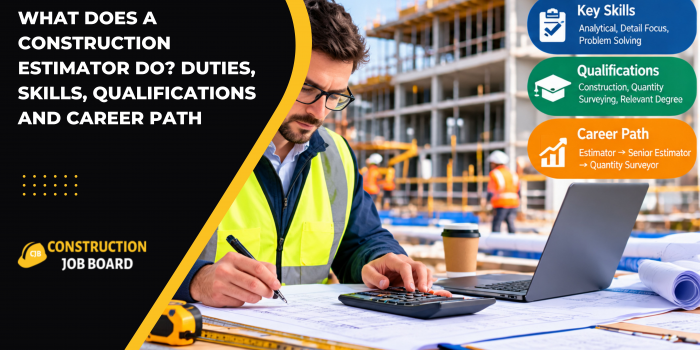
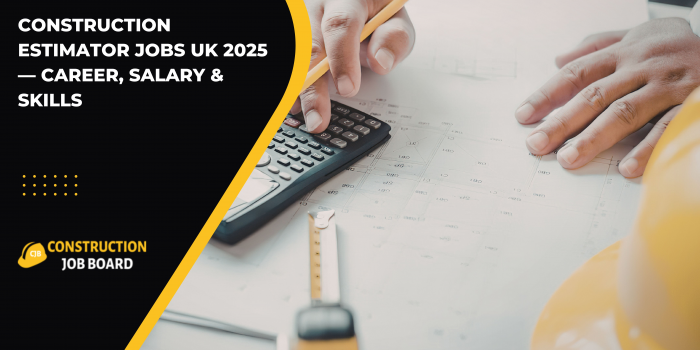
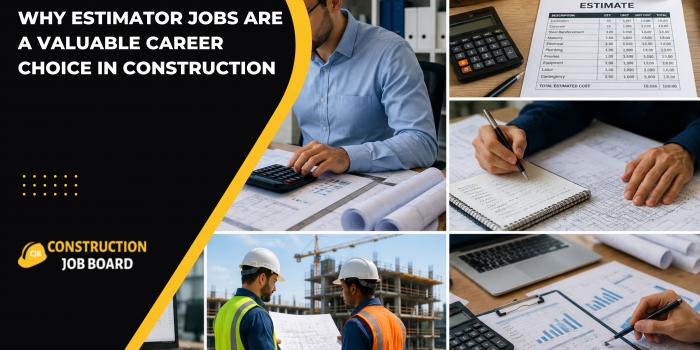
A construction estimator calculates the likely cost of a construction project before work begins. Construction estimators in the UK analyse drawings, specifications, materials, labour, plant, subcontractor costs and other project requirements to help establish a realistic project price.
Estimators play an important role during the tendering and pre-construction stages. Their calculations can help contractors decide how much a project may cost to deliver and what price to submit when competing for work.
The role combines construction knowledge, numerical skills, attention to detail and commercial awareness.
What Are the Main Duties of a Construction Estimator?
The responsibilities of an estimator vary according to the employer and type of construction project.
Reviewing Project Drawings and Specifications
Estimators start by understanding what needs to be constructed.
They may review:
- Architectural drawings
- Engineering drawings
- Specifications
- Schedules
- Bills of quantities
- Tender documents
- Project requirements
The objective is to understand the scope of work before calculating costs.
Measuring Quantities
Estimators calculate the quantities of materials, labour and other resources required for a project.
Depending on the project, this could include quantities for:
- Concrete
- Bricks and blocks
- Timber
- Steel
- Plasterboard
- Insulation
- Roofing materials
- Groundworks
- Finishes
Accurate measurement is important because errors can affect the overall tender price.
Calculating Labour Costs
An estimator considers the labour required to complete different activities.
This may involve assessing:
- Number of workers
- Working hours
- Trade requirements
- Productivity
- Specialist labour
- Subcontractor requirements
Labour calculations need to reflect the type and complexity of the project.
Obtaining Supplier and Subcontractor Prices
Estimators may request quotations from suppliers and subcontractors.
For example, a project may require prices for:
- Groundworks
- Mechanical services
- Electrical work
- Roofing
- Plastering
- Plant hire
- Scaffolding
- Specialist installations
The estimator reviews these prices and incorporates appropriate costs into the tender.
Preparing Tender Prices
One of the main outputs of an estimator's work is the tender price.
The estimator brings together relevant costs and considers factors such as:
- Materials
- Labour
- Plant
- Subcontractors
- Site costs
- Preliminaries
- Overheads
- Risk
- Profit
The final pricing approach depends on the contractor and the specific tender.
What Is the Difference Between a Construction Estimator and a Quantity Surveyor?
Construction estimators and quantity surveyors both work with project costs, but their responsibilities can differ.
An estimator is often heavily involved in calculating costs before a contractor submits a tender.
A quantity surveyor can have broader responsibilities covering cost management during different stages of a project, including procurement, valuations, variations and final accounts.
There can be overlap between the two roles, particularly within smaller construction companies.
What Skills Does a Construction Estimator Need?
Successful estimators combine construction knowledge with commercial and analytical skills.
Numerical Skills
Estimators need confidence working with quantities, measurements, rates and costs.
Construction Knowledge
Understanding how buildings and infrastructure are constructed helps estimators make more realistic assessments of labour, materials and construction methods.
Attention to Detail
A small omission in a tender can potentially have a significant financial effect. Estimators therefore need to review documents carefully.
Analytical Thinking
Estimators need to compare information from drawings, specifications, supplier quotations and previous project data.
Communication
Estimators communicate with suppliers, subcontractors, project teams, clients and other commercial professionals.
Time Management
Tender deadlines can be demanding. Estimators may need to work on multiple pricing exercises while meeting submission dates.
Commercial Awareness
An estimator needs to understand how costs contribute to the overall financial position of a project and contractor.
What Software Does a Construction Estimator Use?
Modern estimating work can involve a combination of spreadsheets, estimating platforms, measurement software and other construction technology.
Depending on the employer, an estimator may use tools for:
- Quantity take-offs
- Cost databases
- Tender management
- Spreadsheets
- Digital drawings
- Document management
- Procurement
- Cost analysis
The exact software varies between construction companies.
What Qualifications Does a Construction Estimator Need in the UK?
There is no single route into construction estimating.
People can enter the profession through construction-related apprenticeships, college courses, university qualifications or progression from practical construction and commercial roles.
Relevant subjects can include:
- Construction
- Quantity surveying
- Commercial management
- Civil engineering
- Building studies
- Construction management
Practical construction experience can also provide valuable knowledge of how work is actually carried out on site.
Can a Tradesperson Become a Construction Estimator?
Yes. A skilled tradesperson can potentially move into estimating by developing additional knowledge in measurement, pricing, construction costs and tender preparation.
For example, someone with experience in groundworks, carpentry, bricklaying or another construction trade may already understand practical construction methods.
They may then develop estimating skills through further training and experience.
What Is a Typical Day Like for a Construction Estimator?
An estimator's day can involve a combination of technical, analytical and communication tasks.
A typical day might include:
- Reviewing new tender documents.
- Studying drawings and specifications.
- Measuring quantities.
- Requesting supplier quotations.
- Contacting subcontractors.
- Comparing received prices.
- Calculating labour and material costs.
- Reviewing risks and exclusions.
- Updating the tender.
- Preparing the final submission.
The balance between these activities depends on the size and type of contractor.
Where Do Construction Estimators Work?
Construction estimators can work for:
- Main contractors
- Specialist subcontractors
- Housebuilders
- Civil engineering contractors
- Groundworks companies
- Fit-out contractors
- Roofing contractors
- Infrastructure companies
- Specialist construction businesses
Some estimators specialise in particular sectors, such as residential construction, civil engineering, refurbishment or commercial building.
What Types of Estimator Roles Are Available?
Estimators can specialise according to the type of construction work they price.
Examples include:
Building Estimator
Focuses on building projects such as residential and commercial developments.
Civil Engineering Estimator
Works on projects involving roads, infrastructure, earthworks and civil engineering.
Groundworks Estimator
Specialises in excavation, drainage, foundations and associated groundworks.
Fit-Out Estimator
Prices internal fit-out and refurbishment work.
Specialist Trade Estimator
Works for contractors specialising in areas such as roofing, electrical installation, mechanical services or other trades.
How Can a Construction Estimator Progress Their Career?
Estimators can develop their careers by gaining experience across increasingly complex projects.
A possible progression route is:
Trainee Estimator → Assistant Estimator → Estimator → Senior Estimator → Estimating Manager
Experienced estimators may also move into related commercial positions such as:
- Quantity surveying
- Commercial management
- Pre-construction management
- Procurement
- Contracts management
- Construction management
The exact career route depends on qualifications, experience and the organisation.
How Should a Construction Estimator Write a CV?
An estimator's CV should demonstrate both construction knowledge and commercial capability.
Useful information includes:
- Years of estimating experience
- Types of projects priced
- Project values or scale where appropriate
- Tender experience
- Quantity take-off experience
- Supplier and subcontractor management
- Cost planning
- Construction sectors
- Estimating software
- Qualifications
- Commercial responsibilities
- Relevant construction experience
Candidates should highlight measurable responsibilities rather than simply listing “estimating.”
Why Is Construction Estimating Important?
Estimating provides an important link between construction design and commercial decision-making.
Before a project can be delivered, contractors need to understand the likely resources and costs involved. Estimators help turn drawings and specifications into detailed cost information that can support tendering and project planning.
Accurate estimating can therefore influence whether a contractor can competitively price a project while understanding the resources required to deliver it.
Key Takeaways
- Construction estimators calculate the expected cost of construction projects.
- Their work can include quantity measurement, labour calculations, supplier quotations and tender preparation.
- Estimators need numerical ability, construction knowledge, attention to detail and commercial awareness.
- There are multiple routes into estimating, including apprenticeships, construction qualifications, university study and workplace progression.
- Experienced tradespeople can potentially move into estimating by developing commercial and measurement skills.
- Estimators can specialise in building, civil engineering, groundworks, fit-out or specialist trades.
- Career progression can lead to senior estimating, estimating management, quantity surveying or commercial management.
Frequently Asked Questions
1. What does a construction estimator do?
A construction estimator calculates the expected cost of a construction project by assessing drawings, specifications, materials, labour, plant, subcontractor prices and other project requirements.
2. What qualifications do I need to become a construction estimator?
There is no single route. Relevant construction, quantity surveying, civil engineering, building or commercial qualifications can be useful, while apprenticeships and workplace progression can also provide routes into estimating.
3. Can a tradesperson become a construction estimator?
Yes. Tradespeople already have practical construction knowledge and can develop additional skills in measurement, pricing, tendering and construction costs to move towards estimating.
4. What is the difference between an estimator and a quantity surveyor?
An estimator is often focused on calculating costs and preparing tenders before construction work begins, while a quantity surveyor can have broader cost-management responsibilities throughout a project. The roles can overlap depending on the organisation.
5. Can construction estimators progress into management?
Yes. Experienced estimators can progress into senior estimating and estimating management roles or move into related areas such as quantity surveying, commercial management, pre-construction and contracts management.