09/10/2026
What Does a Construction Site Supervisor Do?
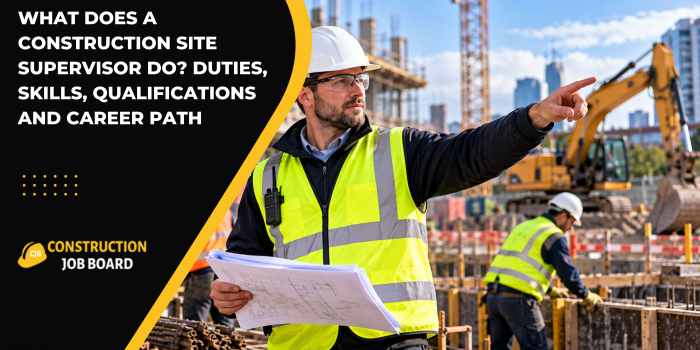
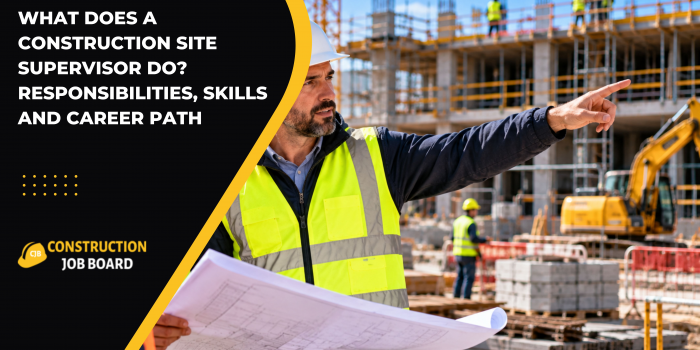
A construction site supervisor coordinates and monitors day-to-day construction activities to help ensure work is completed safely, correctly and according to the project programme. Construction site supervisors in the UK work with tradespeople, subcontractors, site managers and other construction professionals to organise activities, monitor progress and maintain required standards.
The role sits between hands-on construction work and wider site management. Depending on the project, a supervisor may coordinate teams, inspect completed work, organise materials, monitor health and safety procedures and communicate progress to site management.
The National Careers Service describes construction site supervisors as professionals who inspect contractors' work and check that quality and safety standards are being met.
What Are the Main Duties of a Construction Site Supervisor?
A site supervisor's responsibilities can vary according to the size and type of project.
Coordinating Daily Site Activities
One of the main responsibilities is organising the work taking place on site.
A supervisor may coordinate:
- Construction trades
- Subcontractors
- Labourers
- Material deliveries
- Plant and equipment
- Work areas
- Daily work sequences
The objective is to keep construction activities organised and reduce delays caused by poor coordination.
Monitoring Construction Work
Site supervisors regularly check work as it progresses.
They may monitor whether work is being completed according to:
- Drawings
- Specifications
- Method statements
- Project requirements
- Quality standards
- Site procedures
Problems identified during inspections can then be raised with the relevant trade, subcontractor or site manager.
Managing Workers and Subcontractors
Supervisors often coordinate teams working on particular areas of a project.
This can involve allocating tasks, explaining work requirements and checking that teams have the information and resources needed to complete their activities.
Good communication is important because several trades may be working in the same area at the same time.
Checking Quality
Quality control is a significant part of site supervision.
A supervisor may inspect:
- Materials
- Workmanship
- Installation
- Finishes
- Construction details
- Completed work
The exact inspection process depends on the project and the company's quality procedures.
Monitoring Health and Safety
Construction site supervisors have an important role in maintaining safe working practices.
CITB's guidance for site supervision covers areas including health and safety management, risk assessments, method statements, inspections, work equipment, lifting operations, working at height, excavations and underground services.
A supervisor may therefore need to monitor whether workers are following the site's safety arrangements and report or address unsafe conditions through the appropriate procedures.
Organising Materials and Deliveries
Construction work depends on having the right materials available at the right time.
Site supervisors may coordinate deliveries and check that materials are available for planned activities.
Poor delivery coordination can affect several trades, so communication with site management and suppliers can be important.
Monitoring Progress
Supervisors may compare work completed on site with the project programme.
If activities fall behind, they may communicate the issue to the site manager and help coordinate changes to the work sequence.
What Skills Does a Site Supervisor Need?
Construction site supervision requires a combination of technical knowledge, leadership and organisational ability.
Construction Knowledge
A supervisor needs a good understanding of construction methods and the activities being carried out by different trades.
Experience in a construction trade can provide a useful foundation for moving into supervision.
Leadership
Supervisors coordinate workers and subcontractors, so they need to communicate instructions clearly and maintain professional working relationships.
Organisation
Construction sites can involve multiple teams, deliveries, inspections and changing priorities. Strong organisational skills help supervisors manage these competing requirements.
Problem-Solving
Construction projects rarely proceed exactly as planned. Supervisors may need to identify problems, communicate them and help find practical solutions.
Attention to Detail
Small construction defects or coordination issues can become larger problems if they are not identified early.
Communication
Supervisors communicate with tradespeople, subcontractors, engineers, site managers and other project stakeholders.
Clear communication can help prevent misunderstandings and improve coordination between teams.
What Qualifications Does a Construction Site Supervisor Need in the UK?
There are several routes into construction site supervision.
People can progress from skilled construction trades, technical roles or other site-based positions. Apprenticeships, college courses and higher education can also provide routes into the occupation.
The National Careers Service lists routes including university courses, college courses, apprenticeships, workplace progression and direct applications for people with relevant experience and qualifications.
Construction-related subjects can include:
- Construction and the built environment
- Construction management
- Building studies
- Civil engineering
- Surveying
A Level 4 Construction Site Supervisor Higher Apprenticeship is also listed as one potential route into the occupation.
The exact qualifications required will depend on the employer, project and responsibilities of the role.
What Is SSSTS?
The Site Supervision Safety Training Scheme (SSSTS) is a CITB Site Safety Plus course designed for people working in site supervision.
CITB describes its site supervision guidance as covering the implementation, supervision and monitoring of health, safety and environmental standards on construction sites.
Training requirements can vary between employers and projects, so candidates should check the requirements attached to individual vacancies.
Does a Site Supervisor Need a CSCS Card?
Construction site access requirements depend on the role, employer and site.
The National Careers Service states that construction site supervisors need a CSCS card or equivalent to train and work on a construction site.
Candidates should check the current card and qualification requirements for the particular occupation before applying for or starting a role.
What Is the Difference Between a Site Supervisor and a Site Manager?
The two roles can overlap, but they generally operate at different levels of responsibility.
A site supervisor is commonly focused on coordinating day-to-day work, workers, subcontractors, quality and site activities.
A site manager normally has broader responsibility for managing the overall construction project, including programme, resources, commercial considerations, subcontractors and wider project delivery.
The exact distinction varies between companies and project structures.
What Is a Typical Day Like for a Site Supervisor?
A typical day may begin with reviewing planned activities and communicating priorities to workers and subcontractors.
During the day, the supervisor may:
- Check site conditions.
- Coordinate workers and subcontractors.
- Review drawings and work requirements.
- Monitor construction activities.
- Inspect workmanship.
- Check materials and deliveries.
- Monitor safety procedures.
- Resolve or escalate site issues.
- Track progress.
- Report important issues to site management.
The balance between these activities depends on the project.
Where Do Construction Site Supervisors Work?
Site supervisors can work across:
- Residential construction
- Commercial construction
- Infrastructure
- Civil engineering
- Refurbishment
- Industrial construction
- Public-sector projects
- Housebuilding
- Groundworks
- Fit-out projects
The working environment is usually site-based, although supervisors may also spend time in site offices completing records and reports.
How Can You Become a Construction Site Supervisor?
A common route is to gain practical construction experience before progressing into a supervisory position.
For example:
Construction trainee → Skilled tradesperson → Experienced construction worker → Site supervisor → Site manager
However, this is not the only route.
Other routes can include construction apprenticeships, technical qualifications, higher education or direct progression from relevant site-based roles.
Developing experience across multiple construction activities can help candidates understand how different trades interact on a project.
How Can a Site Supervisor Progress Their Career?
With experience, site supervisors can progress into several areas of construction.
Possible career directions include:
- Site manager
- Construction manager
- Contracts management
- Health and safety
- Estimating
- Building surveying
- Construction project management
The National Careers Service also identifies health and safety, contract management, estimating, building surveying and construction management as potential progression areas.
How Should a Site Supervisor Write a CV?
A site supervisor CV should demonstrate practical responsibility rather than simply listing the job title.
Useful information includes:
- Years of construction experience
- Types of projects worked on
- Trades supervised
- Subcontractor coordination
- Quality inspections
- Health and safety responsibilities
- Material and delivery coordination
- Programme monitoring
- Relevant qualifications
- Site safety training
- Construction cards
- Experience with drawings and specifications
Where possible, candidates should explain the size and type of projects they have supervised.
Why Is Site Supervision Important in Construction?
Site supervision helps coordinate the people, materials and activities required to deliver construction work.
Supervisors provide an important link between construction teams and wider site management. By monitoring progress, workmanship and safety procedures, they can help identify issues before they have a larger impact on the project.
Key Takeaways
- Construction site supervisors coordinate and monitor day-to-day site activities.
- Their responsibilities can include worker coordination, quality inspections, safety monitoring and progress tracking.
- Construction experience is an important foundation for many supervisory roles.
- Apprenticeships, college courses, higher education and workplace progression can all provide routes into site supervision.
- SSSTS is a recognised CITB Site Safety Plus course relevant to site supervision.
- Site supervisors can progress into site management, construction management, health and safety and other construction careers.
- A strong CV should clearly demonstrate supervisory responsibilities, project experience, qualifications and safety training.
Frequently Asked Questions
1. What does a construction site supervisor do?
A construction site supervisor coordinates workers and subcontractors, monitors construction activities, checks quality, supports safe working practices and tracks progress on site.
2. What qualifications do I need to become a site supervisor?
Requirements vary by employer and role. Possible routes include apprenticeships, construction qualifications, college or university study and progression from practical construction experience.
3. What is SSSTS?
SSSTS stands for Site Supervision Safety Training Scheme. It is a CITB Site Safety Plus course designed around health and safety responsibilities associated with construction site supervision.
4. Is a site supervisor the same as a site manager?
Not always. A site supervisor generally focuses on day-to-day coordination and supervision, while a site manager usually has broader responsibility for overall project delivery. The exact responsibilities vary between employers.
5. Can a site supervisor become a construction manager?
Yes. With relevant experience, qualifications and management skills, a site supervisor can progress towards site management and broader construction management positions.