08/10/2026
What Does a Plant Operator Do? Duties, Skills, Qualifications and Career Path
What Does a Plant Operator Do?
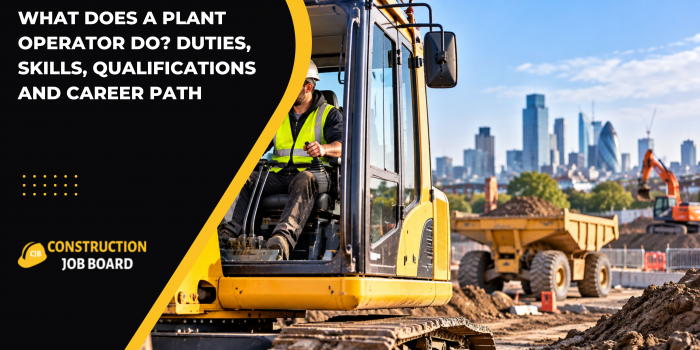
A plant operator operates construction machinery and equipment used to move materials, excavate ground, prepare sites and support construction activities. Plant operators in the UK can work with excavators, dumpers, loading shovels, rollers, telescopic handlers and other types of construction plant.
Their work is important on projects involving earthworks, groundworks, roads, utilities, demolition, infrastructure and building construction. A plant operator needs practical machine-control skills, awareness of site conditions and a strong understanding of safe working procedures.
What Are the Main Duties of a Plant Operator?
The exact responsibilities depend on the machinery and project, but common duties include:
Operating Construction Machinery
Plant operators use machinery according to the manufacturer's instructions, site procedures and the requirements of the project.
Equipment can include:
- Excavators
- Mini excavators
- Dumpers
- Loading shovels
- Rollers
- Telehandlers
- Bulldozers
- Forklifts
- Compaction equipment
- Other specialist construction plant
Different machines require different operating skills and training.
Excavating Ground
Excavator operators may dig trenches, foundations, drainage runs and other excavations according to drawings, dimensions and site instructions.
Accuracy is particularly important where excavation work is close to existing services or structures.
Moving Materials
Plant operators can move soil, aggregates, rubble and other construction materials around a site.
Dumpers, loaders and other equipment can help transport materials efficiently between different working areas.
Ground Preparation
Plant machinery is often used to prepare construction areas before other trades begin work.
Tasks can include:
- Removing soil
- Levelling ground
- Compacting surfaces
- Preparing access routes
- Moving aggregates
- Creating working platforms
- Supporting earthworks
Loading and Unloading
Some plant operators use machinery to load or unload materials and move them safely around designated areas.
Operators need to consider the machine's capacity, ground conditions, load stability and the presence of other workers.
Following Site Instructions
Plant operators work according to project plans, method statements, site rules and instructions from supervisors or other authorised personnel.
Good communication is particularly important when machinery is operating near pedestrians or other construction activities.
What Types of Plant Do Construction Operators Use?
Plant operators can specialise in particular types of equipment.
Excavator Operators
Excavator operators use machines for digging, trenching, earthmoving and other groundworks activities.
Dumper Operators
Dumper operators transport soil, aggregates and other materials around construction sites.
Telehandler Operators
Telehandlers are used to lift and move materials. Operators need to understand safe loading, reach and positioning requirements.
Roller Operators
Roller operators use compaction equipment to compact materials such as soil, aggregates and road-building materials.
Bulldozer Operators
Bulldozers can be used for pushing, spreading and levelling materials during major earthworks and infrastructure projects.
Loading Shovel Operators
Loading shovel operators load and move materials such as aggregates and excavated material.
What Skills Does a Plant Operator Need?
Plant operation requires technical, practical and safety-focused skills.
Machine Control
Operators need to control machinery accurately and understand how different controls affect machine movement.
Spatial Awareness
Large construction machinery can have restricted visibility. Operators therefore need strong awareness of the machine, surrounding workers, structures and site boundaries.
Attention to Detail
Excavation and earthworks often need to follow specific levels, dimensions and positions. Accuracy is therefore important.
Understanding Site Conditions
Ground conditions can affect how machinery operates. Operators need to recognise potential hazards such as unstable ground, slopes, restricted areas and changing site conditions.
Communication
Plant operators often work with banksmen, groundworkers, site supervisors and other trades. Clear communication is essential when machinery is moving or operating near people.
Mechanical Awareness
Operators benefit from understanding basic machine checks and identifying potential defects or problems before equipment is used.
Safety Awareness
Construction machinery can create significant risks if operated incorrectly. Plant operators must follow site safety procedures and the relevant training and operating requirements.
What Qualifications Does a Plant Operator Need in the UK?
Plant operators normally require appropriate training and competence for the machinery they operate.
The exact qualification or card requirements depend on the type of equipment, occupation and construction site.
Training may cover:
- Machine operation
- Pre-use checks
- Safe operating procedures
- Ground conditions
- Load handling
- Site hazards
- Emergency procedures
- Machine-specific controls
Industry-recognised plant training schemes and competency cards can be relevant to construction plant occupations.
Candidates should check the current requirements for the particular machine and site rather than assuming that one qualification covers every type of plant.
What Are Pre-Start Checks?
Pre-start checks are an important part of plant operation.
Before operating machinery, an operator may need to check areas such as:
- Tyres or tracks
- Fluid levels
- Brakes
- Lights
- Warning systems
- Hydraulic components
- Attachments
- Safety devices
- Visible damage
Any defect or safety concern should be dealt with according to the site's reporting and isolation procedures before the machine is used.
Where Do Plant Operators Work?
Plant operators can work across many areas of construction and civil engineering, including:
- Building projects
- Groundworks
- Road construction
- Rail projects
- Utilities
- Infrastructure
- Demolition
- Quarrying and aggregates
- Drainage projects
- Earthworks
- Commercial developments
The type of machinery used can vary significantly between projects.
What Is a Typical Day Like for a Plant Operator?
A typical working day may include:
- Attending the site briefing.
- Reviewing the day's activities.
- Completing machine checks.
- Inspecting the working area.
- Positioning the machine safely.
- Carrying out excavation, lifting, loading or earthmoving activities.
- Communicating with groundworkers and supervisors.
- Monitoring site conditions.
- Reporting defects or issues.
- Parking and securing the machine safely at the end of the shift.
The actual routine depends on the machine, project and site conditions.
How Do Plant Operators Work With Other Construction Trades?
Plant operators rarely work in isolation.
They may coordinate with:
For example, an excavator operator may work closely with groundworkers who are installing drainage or preparing foundations.
Communication between the operator and people working around the machine is essential.
Can Plant Operators Specialise?
Yes. Plant operators can develop specialist experience with particular machinery or construction activities.
Possible areas include:
- Excavation
- Earthworks
- Road construction
- Infrastructure
- Utilities
- Demolition
- Material handling
- Heavy plant operation
- Specialist lifting equipment
Specialisation can help operators build experience in particular types of projects and machinery.
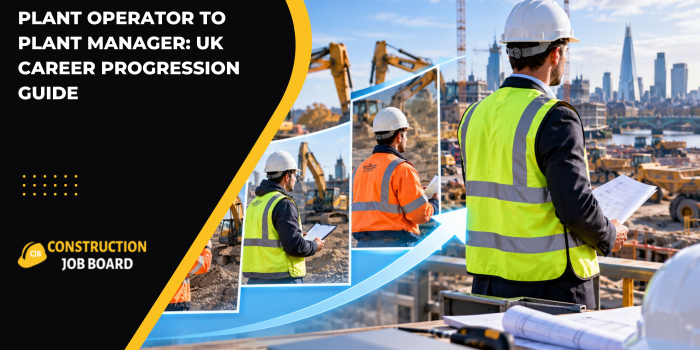
How Can a Plant Operator Progress Their Career?
Plant operators can develop their careers by gaining experience across different machines and construction environments.
A typical progression could involve:
Trainee or apprentice → Plant Operator → Experienced/Specialist Plant Operator → Lead Operator or Supervisor
Experienced operators may also move into wider site roles if they gain additional qualifications and management experience.
Some operators choose to specialise in particular machinery, while others develop a broader range of plant competencies.
How Should a Plant Operator Write a CV?
A plant operator's CV should clearly identify the machines they are trained and experienced to operate.
Useful information includes:
- Machine types
- Years of operating experience
- Construction sectors worked in
- Earthworks experience
- Groundworks experience
- Infrastructure experience
- Relevant plant qualifications
- Competency cards
- Health and safety training
- Types of projects completed
- Experience working around other construction trades
Instead of simply stating “plant operator,” candidates should specify the equipment they have actually operated.
Why Are Plant Operators Important in Construction?
Plant operators help construction teams complete excavation, earthmoving, lifting, loading, compaction and material-handling activities efficiently.
Their work can directly affect the progress of groundworks, infrastructure and building projects. Accurate machine operation can also help other trades complete their tasks safely and according to the project requirements.
Key Takeaways
- Plant operators operate construction machinery used for excavation, earthmoving, lifting, loading and site preparation.
- Common equipment includes excavators, dumpers, rollers, telehandlers, bulldozers and loading shovels.
- Operators need machine-control skills, spatial awareness, communication and strong safety awareness.
- Appropriate training and competency requirements depend on the machine and construction role.
- Pre-start checks are an important part of safe plant operation.
- Plant operators work closely with groundworkers, supervisors, engineers and other construction trades.
- Experienced operators can specialise in particular machinery or progress towards supervisory roles.
Frequently Asked Questions
1. What does a plant operator do?
A plant operator operates construction machinery used for activities such as excavation, earthmoving, lifting, loading, compaction and material handling.
2. What qualifications does a plant operator need in the UK?
The required training or competency certification depends on the type of machinery and the construction role. Operators should check the current requirements for the specific equipment and site.
3. What machines can a plant operator operate?
Depending on their training and experience, plant operators may operate excavators, dumpers, telehandlers, rollers, bulldozers, loading shovels and other construction machinery.
4. Do plant operators work with groundworkers?
Yes. Plant operators frequently work alongside groundworkers on activities such as excavation, drainage, foundations, earthworks and site preparation.
5. Can a plant operator progress into a supervisory role?
Yes. Experienced plant operators can develop specialist expertise and may progress into lead operator or supervisory positions, particularly when they gain additional site and management experience.