28/09/2026
Construction Planner vs Project Manager: Skills, Responsibilities and Career Paths
Construction Planner vs Project Manager is a useful comparison for people considering a career in construction planning, project delivery or construction management. Although both professionals contribute to completing projects successfully, their responsibilities are different. A construction planner is primarily focused on programme development, sequencing, scheduling and progress monitoring, while a project manager has broader responsibility for coordinating the overall delivery of a project.
The two roles frequently work together. A planner may develop and maintain the programme that shows how construction activities should progress, while the project manager uses that information alongside cost, quality, resources, contracts and stakeholder requirements to manage project delivery.
Direct Answer: What Is the Difference Between a Construction Planner and a Project Manager?
A construction planner focuses mainly on programme planning, scheduling, sequencing activities, monitoring progress and identifying potential delays.
A construction project manager has a broader responsibility for delivering the project, including coordinating people, resources, budgets, programme, quality, risks, stakeholders and contractual requirements.
In simple terms, the planner is strongly focused on when and in what sequence work should happen, while the project manager is responsible for coordinating the wider project to achieve its objectives.
The exact division of responsibilities varies between contractors, consultancies, project sizes and sectors.
What Does a Construction Planner Do?
A construction planner develops and maintains programmes that help project teams understand how construction activities should be sequenced.
Typical responsibilities can include:
- Developing construction programmes
- Creating activity schedules
- Sequencing construction activities
- Monitoring progress against the baseline programme
- Updating project schedules
- Identifying programme risks
- Assessing potential delays
- Supporting recovery programmes
- Coordinating information from different project teams
- Preparing progress reports
- Working with site teams to understand actual progress
- Supporting project managers with programme information
Planners may work with tools such as Primavera P6, Microsoft Project or other project scheduling and construction management systems.
The role can require a combination of construction knowledge, analytical ability and communication skills.
What Does a Construction Project Manager Do?
A project manager normally has a broader remit across the project lifecycle.
Responsibilities may include:
- Establishing project objectives
- Coordinating project teams
- Managing project programmes
- Monitoring budgets and costs
- Managing risks
- Coordinating contractors and subcontractors
- Communicating with clients
- Monitoring quality
- Supporting health and safety requirements
- Managing project documentation
- Monitoring contractual requirements
- Reporting project performance
- Managing changes and project issues
- Supporting project completion and handover
Project managers therefore need to understand the relationship between programme, cost, quality, resources, risk and project objectives.
Construction Planner vs Project Manager: Key Differences
|
Area
|
Construction Planner
|
Project Manager
|
|
Primary focus
|
Programme and scheduling
|
Overall project delivery
|
|
Programme
|
Develops and monitors programmes
|
Owns or oversees delivery against programme
|
|
Cost
|
May provide programme-related information
|
Usually involved in overall cost management
|
|
Site coordination
|
Supports sequencing and progress monitoring
|
Coordinates wider delivery teams
|
|
Risk
|
Identifies programme risks
|
Manages broader project risks
|
|
Stakeholders
|
Provides programme information
|
Manages wider stakeholder relationships
|
|
Software
|
Scheduling and planning systems
|
Project management and reporting systems
|
|
Decision-making
|
Strong focus on programme decisions
|
Wider project-level decisions
|
|
Reporting
|
Programme and progress reports
|
Overall project reporting
|
|
Career route
|
Planner → Senior Planner → Planning Manager
|
Assistant PM → Project Manager → Senior PM
|
The boundaries are not identical in every organisation. On smaller projects, one person may perform responsibilities that would be divided between several specialists on a major infrastructure project.
Which Skills Does a Construction Planner Need?
Construction planners need strong analytical and organisational abilities.
Important skills include:
Programme Management
Understanding how construction activities relate to each other is central to planning.
A planner needs to understand dependencies, sequencing, milestones and critical activities.
Construction Knowledge
Planning is more than entering activities into scheduling software. Understanding how construction work is actually delivered helps planners create realistic programmes.
Analytical Thinking
Planners analyse progress information, identify potential delays and assess the effect of changes on programme delivery.
Communication
Planners regularly communicate with project managers, site teams, subcontractors, engineers and other professionals.
Digital Skills
Modern construction planning increasingly involves digital systems and data. Familiarity with scheduling software, project information platforms and digital reporting can be useful.
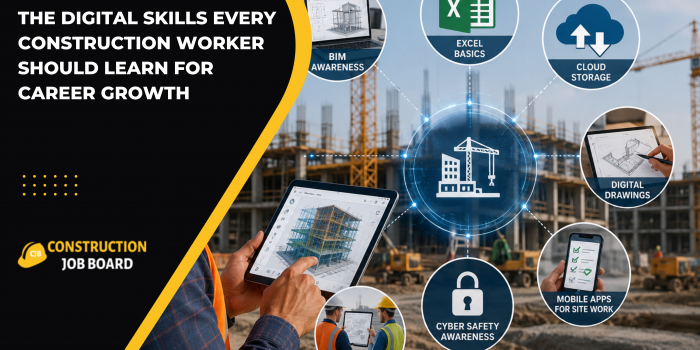
The broader construction industry is also becoming increasingly dependent on digital skills, with digital tools now supporting planning, reporting, BIM, project management and site activities.
Which Skills Does a Project Manager Need?
Project managers require a broader combination of technical, commercial and interpersonal skills.
These can include:
- Project planning
- Leadership
- Communication
- Risk management
- Cost awareness
- Contract awareness
- Problem-solving
- Stakeholder management
- Team coordination
- Decision-making
- Quality management
- Construction knowledge
- Digital project management
A project manager may also need to understand contracts, procurement, design coordination and commercial reporting depending on the employer and project.
Do Construction Planners Need a Degree?
There is no single qualification route that applies to every construction planning position.
Employers may look for qualifications or experience in:
- Construction management
- Civil engineering
- Quantity surveying
- Project management
- Building
- Engineering
- Construction planning
However, experience can also be important. Someone who has developed practical construction knowledge may move into planning after gaining experience in site or project environments.
The most appropriate requirements depend on the employer, sector and seniority of the position.
Do Project Managers Need a Degree?
A degree in construction management, civil engineering, project management or a related subject can be useful, particularly for graduate positions.
However, construction project management can also be reached through practical experience.
A professional may progress through roles such as:
Assistant Site Manager → Site Manager → Construction Manager → Project Manager
or through a planning, engineering, commercial or design route before moving into project management.
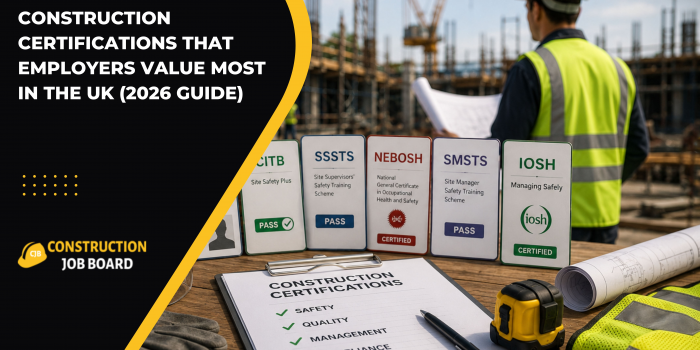
Professional qualifications and structured career development can also support progression.
Construction Planning and Digital Technology
Technology is changing how construction programmes are developed, communicated and monitored.
Digital construction systems can help teams:
- Share programme information
- Track progress
- Coordinate project information
- Identify programme risks
- Connect schedules with project data
- Improve communication between site and office teams
BIM can also provide project teams with digital information that supports coordination between design and construction.
This means construction planners increasingly need to understand how planning interacts with other digital project systems rather than treating scheduling as an isolated activity.
Recent CJB content also identifies digital technology as increasingly relevant across planning, project management, surveying, estimating and site management roles.
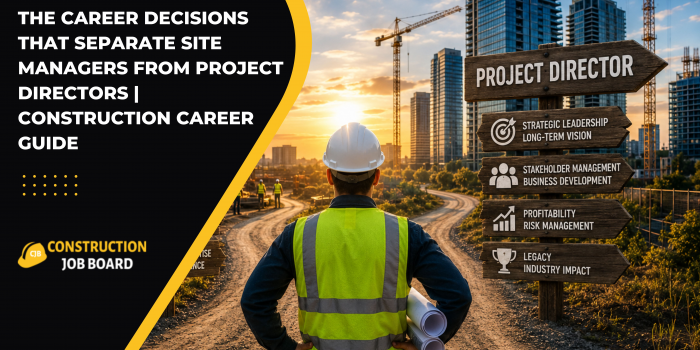
Construction Planner vs Project Manager: Career Progression
A construction planner can progress through several levels:
Junior Planner → Planner → Senior Planner → Planning Manager → Head of Planning
Experienced planners may also move into project management, project controls, commercial management or related positions.
A project management career can develop through:
Assistant Project Manager → Project Manager → Senior Project Manager → Project Director
The exact titles differ between contractors, consultancies and clients.
The two career paths can also overlap. A planner who develops strong leadership, commercial and stakeholder-management skills may move toward project management, while a project manager may develop deeper programme-management expertise.
Which Role Involves More Programme Focus?
The construction planner generally has the stronger programme and scheduling focus.
The planner may spend substantial time developing schedules, analysing dependencies, updating programmes and assessing the impact of delays.
The project manager needs to understand the programme but usually has a wider responsibility covering the project as a whole.
Therefore, someone who particularly enjoys scheduling, sequencing, data analysis and programme management may find planning more closely aligned with their interests.
Which Role Has Broader Project Responsibility?
Project management normally has the broader overall remit.
A project manager may coordinate:
- Programme
- Cost
- Quality
- Resources
- Risk
- Procurement
- Contractors
- Stakeholders
- Client requirements
The planner provides specialist programme knowledge that supports many of these activities.
This distinction becomes particularly important on large projects where specialist planners, commercial managers, site managers, design managers and project managers may all work within the same delivery structure.
Construction Planner vs Project Manager: Which Skills Can Transfer?
There is significant overlap between the two professions.
Skills that can transfer between planning and project management include:
- Construction knowledge
- Programme management
- Communication
- Problem-solving
- Coordination
- Risk awareness
- Reporting
- Digital skills
- Stakeholder management
- Understanding of project delivery
For example, a planner who regularly works with site teams and understands project risks may develop skills that are useful when moving into project management.
Similarly, project managers need sufficient programme knowledge to understand whether project activities are progressing as planned.
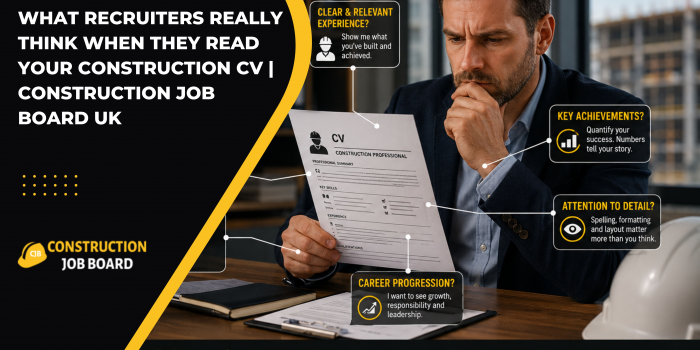
What Should You Highlight on a Construction CV?
Candidates applying for construction planning roles can highlight:
- Programme development
- Scheduling software
- Progress monitoring
- Delay analysis
- Construction sequencing
- Planning reports
- Project types
- Infrastructure or building experience
- Stakeholder coordination
Project management candidates can highlight:
- Project delivery
- Team leadership
- Budget responsibility
- Programme management
- Risk management
- Contractor coordination
- Client communication
- Procurement
- Quality management
- Project completion
Rather than simply listing software or qualifications, candidates can explain how they used those skills on real projects.
Key Takeaways
- Construction planners primarily focus on programmes, schedules and sequencing.
- Project managers have broader responsibility for overall project delivery.
- Both roles require strong communication and construction knowledge.
- Digital skills are becoming increasingly relevant across construction planning and project management.
- Planning can provide a route into broader project management responsibilities.
- Project managers still need a strong understanding of construction programmes.
- Qualifications can support career development, but practical project experience is also important.
- The exact responsibilities of each role vary by employer and project size.
Frequently Asked Questions
1. What is the main difference between a construction planner and a project manager?
A construction planner primarily focuses on developing and monitoring project programmes, while a project manager has broader responsibility for coordinating overall project delivery, including programme, resources, cost, risk, quality and stakeholders.
2. Can a construction planner become a project manager?
Yes. Planning experience can provide useful knowledge of construction sequencing, programme management and project coordination. Additional experience in leadership, commercial management and stakeholder management can support a move into project management.
3. What software do construction planners use?
Depending on the employer and project, planners may use Primavera P6, Microsoft Project and other scheduling, project-management and construction information platforms.
4. Is construction planning a technical role?
Construction planning combines technical construction knowledge with scheduling, analysis and communication. The level of technical knowledge required varies according to the type and complexity of project.
5. Do project managers need construction experience?
Construction experience can be highly valuable because project managers need to understand how design, programme, resources, contractors and site activities interact. The experience requirements vary by employer and level of the role.
Conclusion
Construction Planner vs Project Manager is not simply a comparison between two competing careers. The roles are closely connected and often work together throughout a project's lifecycle.
The construction planner provides detailed programme and sequencing expertise, helping project teams understand what needs to happen, when it needs to happen and where programme risks may arise. The project manager takes a broader view, coordinating the programme alongside cost, quality, resources, risk, stakeholders and other delivery requirements.
For construction professionals choosing between these career directions, the distinction largely comes down to the type of work they want to focus on. Planning places greater emphasis on programmes, schedules, analysis and sequencing, while project management involves broader responsibility for coordinating project delivery.
As construction becomes increasingly digital, both career paths are also being influenced by project-management platforms, BIM, data and other digital construction technologies. Developing a combination of construction knowledge, digital capability and communication skills can therefore be relevant to both professions.